
Running a successful supply chain requires making smart shipping choices every single day. Moving your commercial inventory safely without draining your corporate budget can be a difficult balancing act. Many business managers feel overwhelmed by the massive variety of transportation methods available in the modern logistics market.
Understanding the differences between LTL vs FTL shipping is the first step toward optimizing your regular distribution operations. Selecting the wrong transportation type can cause unexpected transit delays, damaged goods, or inflated delivery bills.
This comprehensive 2026 pillar guide will break down the four primary freight methods used across North America today. We will evaluate parcel delivery, shared truck networks, partial shipments, and dedicated trailers.
You will also learn how carriers calculate their rates using a specific LTL freight class and regional fuel adjustments. Partnering with a licensed expert like ENorth Logistics keeps your inventory moving smoothly across borders. Let us explore these options to find the perfect fit for your corporate cargo.
The Four Main Types of Freight Shipping Solutions
Selecting the ideal transportation method depends heavily on your cargo dimensions, overall weight, target budget, and delivery urgency. The modern logistics market divides shipping into four distinct tiers to handle different product sizes efficiently.
Parcel Shipping for Small Packages – Under 150 lbs
Parcel shipping is built specifically for tiny, lightweight packages that weigh under 150 pounds. This method relies on massive global courier networks like FedEx, UPS, or Canada Post to move individual boxes.
It is highly trackable, incredibly fast, and provides ultimate door-to-door convenience for retail distribution. However, parcel shipping becomes extremely expensive if you try to send large quantities of heavy, bulky commercial goods.
Less-Than-Truckload (LTL) for Shared Space – 1-6 Pallets
Less-Than-Truckload shipping is the ideal option for small to mid-sized freight shipments. This method typically handles loads ranging from 1 to 6 standard pallets, or shipments weighing up to 15,000 pounds.
Instead of renting an entire semi-truck, your business shares trailer space with several other companies at the same time. You only pay for the exact fraction of the truck bed your physical pallets occupy, making it highly economical.
Partial Truckload (PTL) for Mid-Sized Cargo – Mid-Sized Loads
Partial Truckload services handle medium-sized shipments that exceed standard LTL volume thresholds but do not quite fill a whole trailer. This method generally moves loads weighing between 10,000 and 40,000 pounds.
Your cargo shares a single truck with far fewer shipments than a standard LTL network requires. PTL offers a fantastic middle-ground solution because it eliminates frequent terminal transfers, leading to faster transit times without full trailer prices.
Full Truckload (FTL) for Dedicated Freight – Full Trailer
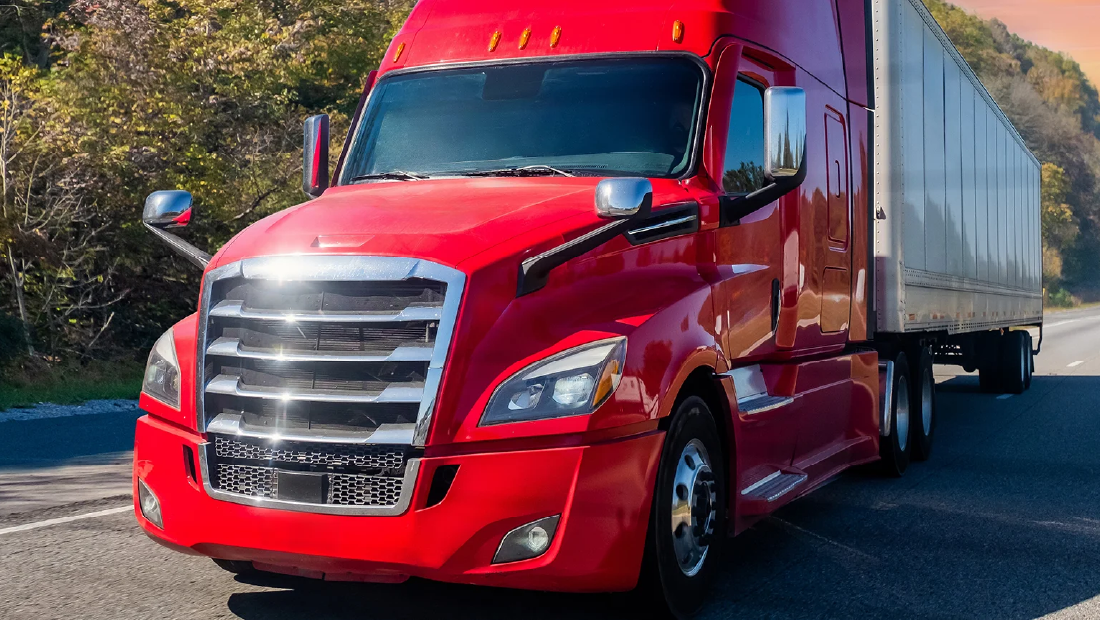
Full Truckload shipping involves renting an entire 53-foot commercial trailer exclusively for your own business cargo. This dedicated method is designed for large, heavy, or high-value shipments weighing up to 45,000 pounds.
Because the vehicle carries your cargo exclusively, the driver travels directly from your loading dock straight to the destination point. This direct route completely removes intermediate handling and drastically reduces the risk of accidental cargo damage.
Deep Dive into LTL vs FTL Shipping
Medium and large businesses use LTL and FTL more than any other shipping models on the market. Deciding between these two main formats requires a careful look at your specific logistics priorities.
LTL (Carpooling) | FTL (Private Ride) |
Shares trailer space | Exclusive trailer use |
Stops at multiple terminals | Direct dock-to-dock |
Budget-friendly for small loads | Best for high-volume or fragile goods |
Evaluating Cost and Budget Efficiency
LTL functions exactly like a commercial carpool for your corporate freight. Sharing the overall trailer space allows multiple companies to split the bills for diesel fuel, road tolls, and driver labor. This setup makes it highly budget-friendly for small routine orders.
Alternatively, FTL requires you to pay for the entire truck regardless of whether you fill it completely. However, FTL becomes much more cost-effective per individual unit when you ship massive, high-volume product runs.
Transit Speed and Delivery Timelines
If your customers require rapid, time-sensitive deliveries, FTL is the undisputed winner. An FTL driver moves consistently from origin to destination without making any detours or annoying stops along the highway.
In contrast, LTL shipments experience much slower delivery speeds. The vehicle must stop at multiple local hubs to consolidate freight, and your goods will pass through several intermediate terminal hubs. This structural transit logic is common across the industry, as seen in networks like Freightcom or FlexSpace Logistics.
Cargo Handling and Safety Risks
Every time a warehouse worker moves your pallets, the risk of accidental product damage increases. LTL cargo experiences moderate to high handling risks because forklift operators continuously transfer the pallets between different trucks at regional terminals.
Conversely, FTL shipments face incredibly low safety risks. Your pallets are loaded once at your facility and remain completely untouched inside the sealed trailer until they reach the buyer’s dock.
Understanding LTL Pricing Factors and Hidden Fees
Calculating shared shipping rates is far more complex than booking a dedicated truck. Carriers look at several detailed physical metrics and structural access rules to determine your final billing amount.
LTL Freight Class and NMFC Codes
The National Motor Freight Traffic Association organizes all commodities into eighteen distinct classes ranging from Class 50 up to Class 700. This specific system relies on official NMFC codes to evaluate your freight based on its overall density, handling ease, and liability risk.
Dense, durable items like iron bars get a lower class and cheaper rates. Fragile, low-density items like hollow plastic toys receive a high class, which increases your total shipping bill.
Density Pricing and Volumetric Calculations
Many modern carriers are moving away from traditional classification codes and embracing strict density pricing models instead. This system measures exactly how much your cargo weighs compared to the total cubic space it occupies inside the vehicle. Shippers can calculate their exact product density before requesting a freight quote online by using a standard mathematical formula:
Density =Weight in PoundsVolume in Cubic Feet
Ensuring your pallets are packed tightly prevents you from getting penalized for shipping empty air space. It helps you maintain a highly accurate logistics budget.
Fuel Surcharges and Accessorial Fees
Base freight rates do not represent your final cash layout. Carriers adjust their pricing weekly by adding a specialized fuel surcharge that fluctuates based on national diesel fuel indexes. Shippers must also watch out for extra accessorial fees triggered by special handling requests:
- Liftgate Services: Required when a delivery location lacks a raised loading dock.
- Residential Delivery: Surcharges for navigating narrow neighborhood streets.
- Inside Pickup: Fees for moving pallets out of a building office instead of a dock.
Freight Comparison Matrix
Review this scannable chart to see how each shipping solution functions across the core logistics metrics:
Freight Solution Type | Ideal Weight Range | Average Handling Risk | Relative Pricing Tier | Delivery Speed Rating |
Parcel Delivery | Under 150 lbs | Low to Moderate | High Per Pound | Fast / Overnight |
LTL Shipping | 150 to 15,000 lbs | Moderate to High | Budget Friendly | Slow / Flexible |
PTL Shipping | 10,000 to 40,000 lbs | Very Low | Mid Tier Value | Moderate to Fast |
FTL Shipping | 15,000 to 45,000 lbs | Extremely Low | Premium Cost | Maximum Speed |
Comparing these structural metrics allows your supply chain team to pick the absolute best option for every unique order that leaves your warehouse floor.
Why Partner with ENorth Logistics for Your Supply Chain
Managing cross-border freight movements requires a transportation partner with real regulatory expertise and a robust carrier network. ENorth Logistics provides top-tier shipping solutions across Canada and the United States, keeping your supply chain completely seamless.
We combine advanced tracking technology with hands-on coordination to optimize your routes, improve cargo visibility, and deliver real-time updates. Our business operates in full compliance with all federal, state, and provincial transport laws. We maintain fully active carrier licenses and registrations to guarantee legal transparency:
- Active USDOT Number: Registered for cross-border interstate commerce.
- Valid MC Authority: Full operating authority across the United States.
- Canada CVOR License: Active Commercial Vehicle Operator’s Registration in Ontario.
- Complete Tax Compliance: Fully registered for IFTA fuel tracking, CRA business numbers, and IRS filings.
At ENorth Logistics, we believe in building lasting corporate relationships. We carefully vet every single carrier in our network to ensure your valuable cargo is handled safely from dock to dock.
Conclusion
Optimizing your corporate distribution network requires a clear understanding of your size, budget, and speed requirements. Navigating the choices between LTL vs FTL shipping allows you to select the most efficient model for every unique load. Smaller pallet runs find a perfect home in shared LTL networks, while high-volume or time-sensitive projects require the security of a dedicated FTL trailer. Paying close attention to density calculations and packaging standards prevents unexpected shipping delays and extra carrier fees.
You do not have to manage these complicated cross-border transport details by yourself. The professional team at ENorth Logistics is always here to streamline your operations and maximize your supply chain savings. Contact our customer support department today to explore our advanced logistics solutions and receive a transparent quote for your business cargo.
Frequently Asked Questions
What is the difference between LTL vs FTL shipping?
The main difference in LTL vs FTL shipping comes down to trailer exclusivity and cargo volume. LTL involves sharing truck space with other companies, making it highly cost-effective for smaller loads under 15,000 pounds. FTL requires renting the entire trailer exclusively for your business, providing faster, more direct transit for large, heavy, or high-value shipments.
How does a carrier determine my LTL freight class?
Carriers determine your official LTL freight class by using standardized NMFC codes to evaluate four core metrics: density, stowability, ease of handling, and liability risk. Denser, sturdier items like raw metal parts receive a lower class and cheaper rates, while lightweight, fragile products receive a higher class and cost more to ship.
What are accessorial fees in commercial freight shipping?
Accessorial fees are extra surcharges added by carriers for performing specialized duties beyond standard dock-to-dock transport. Common examples include using a liftgate at a facility without an elevated platform, delivering to a residential neighborhood, or waiting at a chaotic warehouse for an extended period.
When should a business utilize partial truckload (PTL) services?
A business should utilize PTL services when their cargo weighs between 10,000 and 40,000 pounds and exceeds standard LTL limitations but does not fill a full truck. PTL is ideal because it keeps goods on a single vehicle without frequent terminal transfers, offering faster transit speeds than LTL without full truck prices.