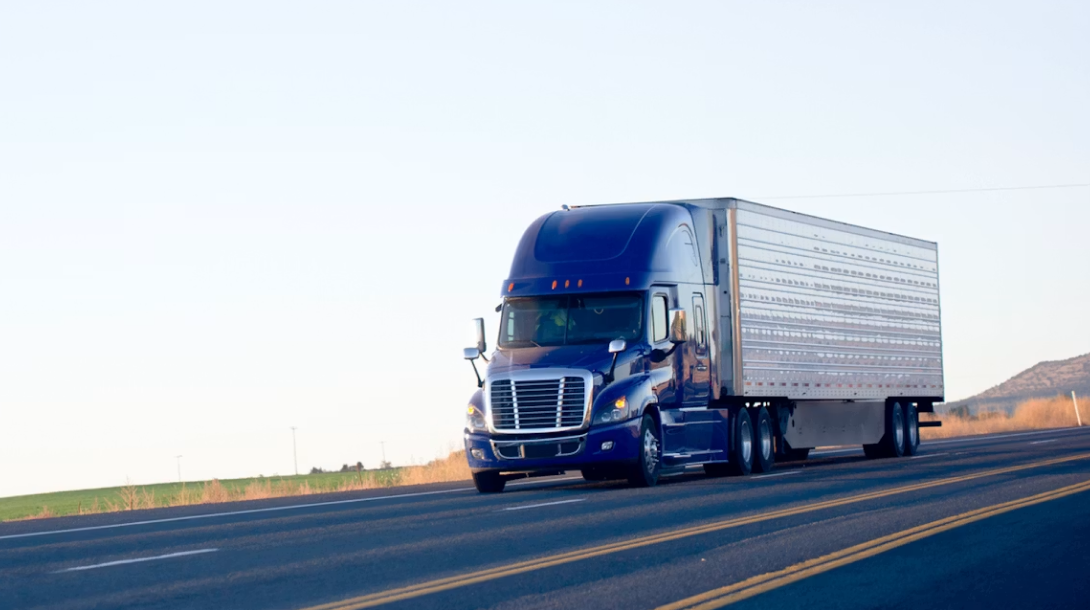
Scaling a modern business requires a highly adaptable and affordable transportation network. Many growing companies struggle to balance their delivery speeds with rising transport bills. Utilizing professional LTL industry shipping models provides the perfect solution for modern logistics managers. This shared transportation strategy allows companies to split trailer space, paying only for the exact area their items occupy.
It serves as the financial backbone for expanding companies that do not produce enough volume to fill entire commercial trucks. In 2026, mastering these shipping lanes is essential for survival in competitive corporate markets.
This comprehensive industry guide will teach you how to manage your logistics assets efficiently. We will explore specialized e-commerce shipping patterns, retail logistics rules, and large-scale bulk moves. You will also learn how to streamline cross-border LTL shipping operations between Canada, the United States, and Mexico. Partnering with an expert third-party logistics provider like ENorth Logistics keeps your inventory safe and predictable. Let us look closely at how modern transport frameworks can optimize your daily business revenue.
The Mechanics of the Modern LTL Shipping Process
Less-Than-Truckload transportation is engineered specifically for freight shipments that weigh between 150 and 10,000 pounds. Instead of letting commercial trucks drive half-empty across the continent, carriers combine cargo from multiple distinct businesses into single vehicles. This smart strategy drops baseline logistics costs dramatically for everyday corporate shippers.
The entire journey relies on a highly integrated hub-and-spoke network to keep goods moving continuously. The process is broken down into three clear, repeatable phases:
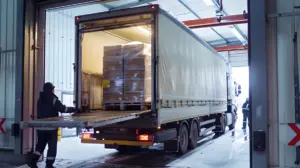
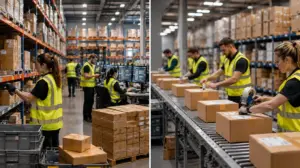
- Local Consolidation: A local delivery vehicle collects your wrapped pallets from your warehouse loading dock. The driver brings your items straight to a regional shipping terminal facility, where warehouse workers sort incoming cargo by its final destination.
- Linehaul Transit: Workers pack your pallet shipping units onto a large linehaul trailer alongside freight from other brands moving in the same direction. The truck travels safely between major centralized hubs, maximizing trailer space along public highways.
- Deconsolidation and Delivery: Once the truck arrives at the final regional terminal, workers unload and sort the individual shipments one last time. Your pallets are transferred onto a small local delivery truck to handle the final customer drop-off.
Local Pickup Docks → Consolidation Hub → Linehaul Highway Lane → Final Delivery Dock
This multi-step system keeps trucks completely full and lowers fuel waste. It allows small operations to enjoy the same low shipping prices as massive global retail corporations.
E-Commerce Shipping and Retail Logistics
Modern digital consumers expect heavy, oversized online purchases to ship just as fast as small parcel boxes. Meeting these high delivery expectations requires a tight, error-free integration between your virtual store and your freight networks.
Managing modern inventory flows requires matching your transit schedules with your real-world customer expectations. Because less than truckload networks share routes with multiple companies, delivery speeds are structured around geographic distances.
Review this standard timeline benchmark for modern commercial fleets:
Shipping Destination Lane | Average Transit Duration | Primary Logistical Benefit |
Regional Deliveries | 1 to 3 Business Days | Supports rapid inventory replenishment and short warehouse storage cycles. |
Coast-to-Coast Lanes | 7 to 10 Business Days | Offers highly cost-effective transport for long-distance stock distribution. |
Utilizing a shared truck network prevents retail companies from overstocking their physical storefront warehouses. Instead of ordering a massive full truckload once a season, you can send small pallet batches frequently. This continuous replenishment pattern keeps your cash flow healthy and keeps fresh merchandise on your retail shelves all year long.
Wholesale Freight and Bulk Distribution Networks
Moving large-scale bulk commodities requires an intermediate solution that bridges the gap between parcel couriers and full trailers. Managing your wholesale freight through shared truck networks provides the ultimate balance of speed, protection, and affordability.
To maximize savings, advanced logistics managers implement a strategic workflow known as milk run logistics. In this setup, a single commercial vehicle travels along a pre-scheduled regional path to collect partial shipments from multiple separate vendors.
The carrier brings all these collected components to a central hub, packing them into a single trailer run. This synchronized pickup routine shortens transit handoffs and ensures trucks operate at total capacity.
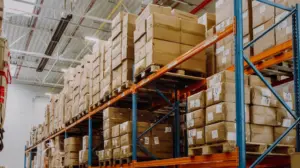
Consolidating your wholesale shipments also eliminates unnecessary cargo touchpoints along the highway. Your items remain tightly bound together on their original pallets, which drastically lowers the risk of accidental forklift collision damage. This structural security gives wholesale distributors absolute peace of mind when moving valuable manufactured assets.
Cross-Border LTL Shipping and Customs Compliance
Nearshoring manufacturing trends have triggered an immense surge in freight traffic moving between Canada, the United States, and Mexico. Executing successful international transit requires extreme data precision and specialized border compliance expertise.
Achieving Seamless Customs Clearance
Crossing international borders legally requires a meticulous approach to your shipping paperwork. Shippers must compile highly accurate Commercial Invoices, North American trade certificates, and detailed Bills of Lading before booking a truck.
Any small matching error on your descriptions will cause border agents to impound your trailer at the gateway. Partnering with an expert team guarantees your cargo achieves rapid customs clearance without experiencing costly border delays.
Advanced Security and Protection Systems
To speed up border crossings, top-performing carriers integrate their fleets with premium government security frameworks like the FAST program. This enrollment grants trucks access to dedicated, expedited border lanes for faster inspections.
Furthermore, shipping delicate cargo through northern climates during winter months requires utilizing specialized heated transport services. Carriers deploy insulated trailers equipped with internal climate sensors to protect liquids, cosmetics, and chemicals from freezing temperatures.
Note: FAST Approved Fleet + Heated Trailer Units = Secure Cross-Border Flow
Key Cost Drivers – Dimensional Weight and Accessorial Fees
Understanding how transportation providers calculate their final billing metrics keeps your corporate finances completely predictable. Shippers must look beyond basic distance tables to identify the real drivers behind their logistics invoices.
Volumetric Density Pricing Calculations
Modern freight networks use dimensional weight metrics to ensure large, ultra-lightweight boxes do not take up valuable trailer space for free. This system measures the total physical size footprint of your pallet against its actual scale weight.
To determine your true volumetric profile before booking a carrier online, you can apply the standard industry density formula:
Freight Density = Total Weight in PoundsTotal Volume in Cubic Feet
Carriers verify these exact cubic dimensions using automated laser scanners at their regional sorting hubs. If your warehouse staff inputs an incorrect measurement, the carrier will issue an immediate billing correction and add a heavy penalty fee.
Managing Extra Accessorial Charges
Accessorial fees are flat, standard charges added to your invoice when a delivery requires services beyond a standard warehouse loading dock. These operational surcharges represent the most common cause of budget overruns for growing e-commerce brands.
Review these common commercial accessorial service types:
- Liftgate Requests: Required when a pickup or delivery building lacks an elevated concrete loading platform.
- Inside Delivery: Moving wrapped pallets directly into a customer storage closet or indoor retail floor instead of leaving them on the dock.
- Residential Drops: Navigating heavy commercial semi-trucks through narrow neighborhood streets or private residential properties.
Declaring all these specialized operational needs during your initial quote request avoids unexpected billing surprises later.
Digital Platforms, 3PL Brokers, and Rate Optimization
Sourcing freight estimates by calling individual trucking companies manually is an incredibly slow waste of administrative time. Modern logistics managers leverage digital freight marketplaces and experienced third-party logistics brokers to streamline their workflows.
These advanced digital platforms aggregate real-time pricing data from hundreds of vetted carriers into a single screen. This integration allows your purchasing team to compare lane rates, analyze transit speeds, and print paperwork instantly.
Modern 3PL platforms are also transitioning from simple tracking tools into advanced data management networks. These systems integrate directly with your enterprise software to automate your order workflows and provide instant tracking visibility. Leveraging these digital networks helps your company optimize its load configurations and protect its profit margins easily.
Why Partner with ENorth Logistics for Your Enterprise
Succeeding in the complex LTL industry shipping sector requires a logistics partner with deep regulatory compliance knowledge and a massive carrier network. ENorth Logistics provides top-rated transportation solutions across Canada and the United States, keeping your supply chain completely seamless.
Our professional team verifies your freight classes, prepares your customs documentation, and audits your accessorial exposure before your cargo ever moves. We operate in full legal compliance with all international, federal, and provincial transportation authorities, holding completely active registrations:
- Active USDOT Number: Full registration for legal interstate commerce across the United States.
- Valid MC Authority: Active operating authority to manage cross-border commercial freight projects.
- Canada CVOR License: Active Commercial Vehicle Operator’s Registration in the Province of Ontario.
- Complete Tax Compliance: Fully compliant with all IRS, CRA, and international IFTA fuel reporting laws.
We build long-term corporate relationships by delivering responsive service, transparent pricing, and maximum asset safety from dock to dock. Partnering with ENorth Logistics means choosing a team dedicated to your ongoing commercial growth.
Conclusion
Optimizing your corporate distribution strategy requires a clear understanding of shared truck mechanics, packaging standards, and border compliance rules. Utilizing less than truckload services allows your brand to expand its e-commerce, retail, and wholesale footprints without paying for empty trailer space. Mastering dimensional density calculations and declaring your accessorial needs upfront keeps your monthly logistics budget completely predictable. Navigating the changing world of international trade documents and winter heated protection can be overwhelming to manage alone. Working with a fully licensed, technology-driven third-party logistics specialist simplifies your operations and unloads your administrative burdens completely. The dedicated freight specialists at ENorth Logistics are always ready to optimize your asset distribution. Contact our customer service team today to review your regular shipping lanes, verify your product classes, and secure a custom bulk quote for your cargo.
Frequently Asked Questions
What is the core definition of LTL industry shipping?
The core definition of LTL industry shipping is a shared transportation method built for freight weighing between 150 and 10,000 pounds. Multiple businesses share a single commercial trailer, allowing companies to pay strictly for the exact pallet space their cargo occupies rather than renting a whole truck.
How does cross-border LTL shipping handle customs clearance?
Successful cross-border LTL shipping requires providing precise Commercial Invoices, detailed cargo packing lists, and correct Bills of Lading before the truck arrives at the gateway. Professional logistics providers coordinate directly with customs brokers to ensure your paperwork complies with all federal laws, achieving rapid customs clearance.
Why do e-commerce shipping operations utilize pallet shipping?
E-commerce operations utilize pallet shipping to secure heavy, bulk merchandise onto standard platforms for safer long-distance transit. Stacking boxes neatly on a pallet allows forklift operators to move goods quickly through the retail logistics hub-and-spoke network, which completely removes the risk of individual box package loss.
What are accessorial fees in less than truckload logistics?
Accessorial fees are extra, flat charges added by carriers for performing specialized operational duties beyond a standard commercial dock-to-dock transfer. Common examples include utilizing a hydraulic liftgate at a small boutique shop, performing an inside delivery, or navigating narrow neighborhood roads for residential drops.