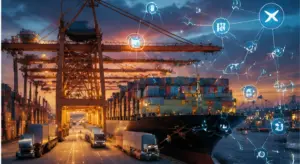
Operating an efficient shipping network requires a smart blend of advanced software, precise data collection, and flexible infrastructure. For many years, companies managed their shipping networks using static schedules and manual phone calls. In the current 2026 logistics market, high operational costs and limited carrier capacity have changed the rules completely. Managing your freight expenses now requires a highly automated, data-driven approach.
Businesses looking to improve freight efficiency can benefit from professional LTL freight services that help consolidate shipments, reduce transportation costs, and optimize trailer space utilization. Shared freight networks allow companies to move smaller shipments more efficiently while maintaining supply chain flexibility.
Adopting a comprehensive program for LTL supply chain optimization allows businesses to cut shipping waste and protect their profit margins. Less-Than-Truckload shipping allows multiple companies to share premium trailer space. This strategy ensures you only pay for the exact physical footprint your palletized cargo occupies.
This detailed 2026 guide will explore the top technological trends shaping modern transit operations. We will cover artificial intelligence, cellular tracking, and advanced freight consolidation models. Let us look closer at how modern digital systems can optimize your supply chain.
1. AI-Powered Dynamic Optimization & Pricing
Artificial intelligence is transforming transportation planning by enabling smarter routing decisions. Businesses can improve transit efficiency and reduce delays by implementing AI route optimization solutions that dynamically adjust routes based on traffic, weather conditions, and carrier availability.
Paragraph 5
The Shift to Density-Based Pricing Models
Traditional, arbitrary freight classification codes are quickly fading away from modern logistics networks. Top carriers now enforce strict density-based pricing models that look at network fit and structural space utilization. Modern shipping terminals utilize automated laser dimensions to scan every pallet as it unloads from the truck.
If your warehouse staff logs incorrect pallet dimensions or weights, carriers will issue an immediate billing penalty. To protect your budget, your logistics team must use precise digital scanning tools right at the point of shipment. Capturing exact dimensions before the truck arrives eliminates surprise administrative fees and keeps your invoices predictable.
Real-Time Dynamic Orchestration
Modern TMS systems do not rely on fixed, historic highway routes anymore. Advanced transport platforms utilize machine learning to execute dynamic orchestration all day long. These systems monitor live data feeds to track weather hazards, highway construction delays, and dock waiting times.
If a sudden disruption occurs, the software instantly adjusts the route or selects a backup carrier automatically. This continuous adjustment ensures your freight keeps moving along the fastest path, which improves transit times dramatically.
Digital Twins and Predictive Scenario Modeling
Leading organizations use digital twins to test their freight distribution strategies safely inside virtual models. A digital twin builds a simulated copy of your entire physical supply chain network.
Managers use these tools to model potential trade disruptions, port delays, or sudden fuel price hikes before they happen in the real world. This predictive modeling helps you compare standard shipping lanes against advanced regional distribution pools. Testing your plans digitally ensures you choose the lowest-risk path for your inventory assets.
2. The Maturation of Freight Tracking and Visibility
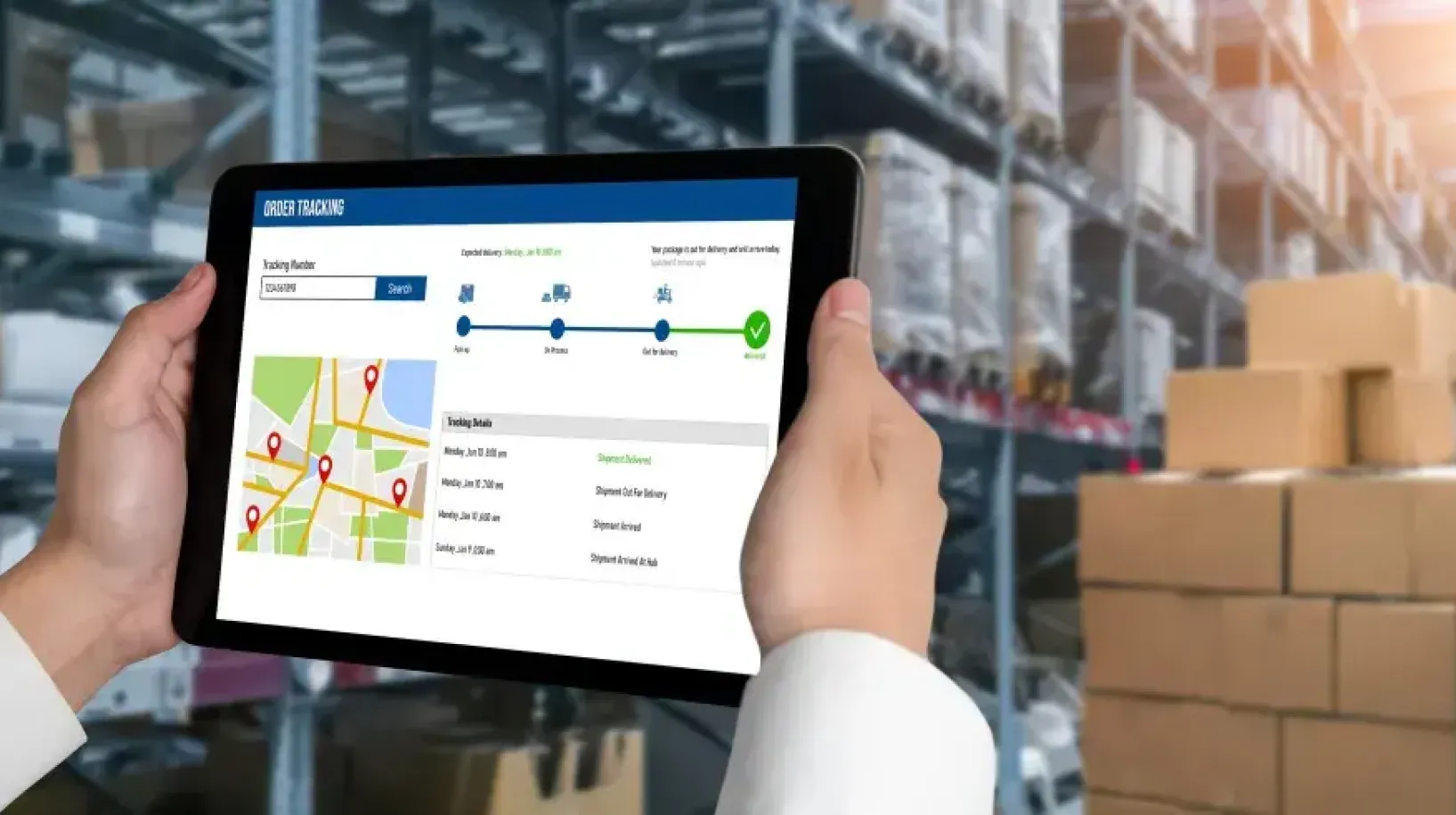
Passive tracking systems that only update when a pallet arrives at a terminal are completely outdated. Modern freight visibility networks provide continuous data streams straight from the highway.
Edge-Captured Intelligence and Smart Labels
Achieving true shipment tracking accuracy requires deploying edge-captured intelligence across your cargo units. Modern shippers place wireless cellular IoT sensors and electronic smart labels directly onto individual pallets.
These tiny devices broadcast real-time location data, interior temperature changes, and shock impacts over cellular networks. This automated tracking removes blind spots between transit hubs, ensuring you always know the exact condition of your inventory.
Automated Exception Management
When a delay occurs on the road, modern visibility software does not wait for a human manager to read a report. The system utilizes API connections to trigger automated workflow interventions instantly.
Delay Flagged on Highway → AI System Selects Alternate Route → Customer Alerted Automatically
This automated exception management bypasses slow email chains. It allows your supply chain to adapt immediately, keeping your customers fully informed without manual work.
3. Supply Chain Agility and Network Adjustments
Surviving market fluctuations requires building a highly flexible distribution network. Shippers must look for innovative ways to combine their shipments to offset frequent carrier rate increases.
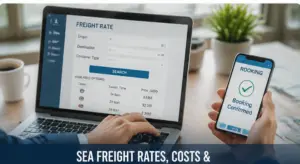
Modern logistics teams are increasingly adopting instant freight rate comparison tools to compare carriers, analyze transit times, and identify cost-effective shipping options in real time. These tools help businesses make faster data-driven transportation decisions.
Investing in End-of-Line Consolidation Pools
Persistent General Rate Increases (GRIs) make shipping small, separate partial loads incredibly expensive. To combat these costs, smart companies partner with third-party logistics firms to build regional consolidation pools.
Your logistics team aggregates multiple partial shipments at a single regional distribution point before handing them off to linehaul trucks. Combining your cargo into a single high-density run lowers your base linehaul fees and prevents product damage during terminal transfers.
Embracing Elastic Logistics Infrastructure
Consumer demand patterns can spike unexpectedly due to seasonal trends or sudden online sales surges. Relying on fixed warehouse spaces or rigid truck contracts can leave your business paralyzed during these volume shifts.
Modern brands utilize elastic logistics frameworks built on shared, multi-client infrastructures. This shared network allows you to rapidly scale your warehousing space and transport capacity up or down based on real-time regional demand.
4. ESG Transparency and Emissions Tracking
Corporate environmental responsibility has shifted from a simple public relations trend into a strict operational mandate. Modern enterprise shippers must provide transparent, verifiable data regarding their carbon footprint.
Modern TMS systems incorporate carbon emissions tracking directly into their primary routing screens. When you quote a lane, the software automatically calculates the environmental impact of that specific trip.
This data helps compliance managers select the most sustainable transport modes and maintain corporate ESG targets. Choosing fuel-efficient routes protects the planet and shields your company from carbon taxes.
5. Strategic Industry Execution Frameworks
Succeeding in the modern market requires utilizing advanced software platforms to collect actionable freight intelligence. Leading industry players depend on elite tracking networks to manage high volumes of shipping data.
Market Analytics Platforms
Enterprise logistics teams rely heavily on advanced analytical data from trusted providers like Descartes and C.H. Robinson. These global systems monitor market volumes, rate changes, and capacity constraints across thousands of daily lanes. Accessing these live benchmarks ensures your purchasing department negotiates fair, accurate contract rates.
Cognitive Agentic AI Integrations
The next step in digital distribution relies on integrating agentic AI LTL logistics programs directly into your enterprise software. Platforms like Supply Chain 247 utilize automated AI agents to execute complex logistics tasks without human help. These cognitive tools can audit electronic bills, tender freight to top-performing fleets, and manage freight claims automatically.
Core Strategies for Successful LTL Optimization
Building a highly profitable logistics network requires implementing specific, data-driven warehouse practices. Shippers can review this scannable strategy table to optimize their weekly fulfillment workflows:
Optimization Strategy | Tactical Execution Steps | Core Supply Chain Benefit |
Leverage Modern TMS | Compare carrier rates live, automate tendering, and track historical metrics. | Lowers administrative labor hours and finds the cheapest lanes. |
Optimize Product Packaging | Cube-out cartons perfectly, use heavy stretch-wrap, and remove edge overhang. | Drops dimensional weight charges and prevents cross-dock damage. |
Utilize Regional Consolidation | Combine separate partial shipments at a central 3PL warehouse hub. | Eliminates expensive accessorial fees and improves delivery speeds. |
Execute Smart Carrier Routing | Align your cargo targets with regional specialists or national networks. | Ensures your pallets move through established, highly efficient lanes. |
Why Partner with ENorth Logistics?
Managing the complex details of modern automated shipping requires a logistics partner with deep technology integrations and absolute compliance knowledge. ENorth Logistics provides top-tier transportation solutions across Canada and the United States, keeping your supply chain completely seamless.
Our team connects directly to your software systems to provide real-time updates and protect your profit margins. We operate in full legal compliance with all international, federal, and provincial transportation authorities, holding active registrations:
- Active USDOT Number: Full registration for legal interstate commerce across the United States.
- Valid MC Authority: Active operating authority to manage cross-border commercial freight projects.
- Canada CVOR License: Active Commercial Vehicle Operator’s Registration in the Province of Ontario.
- Complete Tax Compliance: Fully compliant with all IRS, CRA, and international IFTA fuel reporting laws.
We build long-term corporate relationships by delivering responsive service, transparent pricing, and maximum asset safety from dock to dock. Partnering with ENorth Logistics means choosing a team dedicated to your ongoing commercial growth.
As digital freight management evolves, companies are investing in platforms that provide advanced visibility and automation. Understanding the latest freight quote platform features for 2026 can help businesses streamline carrier selection, automate tendering processes, and improve shipping accuracy.
Conclusion
Mastering LTL supply chain optimization is the absolute best way to insulate your business from rising operational expenses and capacity shortages. Transitioning from basic track-and-trace tracking to automated workflow interventions protects your cargo from extended transit delays. Utilizing density-based scanning and advanced consolidation pools removes unexpected carrier billings and preserves your profit margins.
Established and growing businesses that work on the traditional supply chain models often find it hard to shift to the changing world of agentic AI software, digital twin models, and cellular IoT visibility. Working with a fully licensed, technology-driven third-party logistics specialist simplifies your operations completely. The experienced freight optimization technicians at ENorth Logistics are always ready to protect your supply chain. Contact our support team today to map your regional lanes, optimize your packaging data, and receive a transparent quote for your cargo.
Shipment visibility has become essential for maintaining supply chain reliability. Leveraging real-time FTL shipment tracking allows businesses to monitor freight movement continuously, identify disruptions early, and provide customers with accurate delivery updates.
Frequently Asked Questions
What is the core benefit of LTL supply chain optimization?
The core benefit of LTL supply chain optimization is a drastic reduction in total freight expenses and improved transit timelines. By consolidating smaller shipments into high-density pallets, you avoid paying for unused trailer space. Optimization also removes costly warehouse handling errors and stops carrier billing adjustments.
How do modern TMS systems optimize daily carrier selection?
Modern TMS systems optimize selection by aggregating real-time lane pricing and capacity metrics from hundreds of carriers into a single dashboard. The software automatically analyzes your pallet dimensions and destination coordinates to select the most cost-effective and reliable carrier for that specific trip.
What is the main purpose of predictive freight analytics in 2026?
The main purpose of predictive freight analytics is to identify potential supply chain bottlenecks and cost risks before they happen. These AI-driven tools study weather data, carrier capacity shifts, and port traffic to help logistics managers adjust their shipping plans proactively.
Why are carriers penalizing incorrect dimensional weight data?
Carriers enforce strict penalties because they operate under tight margins and require exact data to maximize their trailer space utilization. Incorrect pallet dimensions alter weight balances and disrupt automated terminal sorting systems, making point-of-shipment digital scanning essential for compliance.