Moving high-volume commercial goods across the globe requires a clear, well-planned distribution strategy. When your production plants are located oceans away from your main sales markets, moving cargo quickly and affordably becomes your primary goal. Relying on unstable air freight lines can drain your working capital because of sky-high transportation rates. Sourcing reliable transport options ensures your supply chain remains resilient against sudden marketplace changes.
The global shipping industry relies heavily on marine lanes to handle large commercial payloads. As we progress through mid-2026, international trade networks face a unique blend of rising spot rates and capacity limitations. High export volumes out of Asia have triggered an early peak season, driving index rates up significantly. At ENorth Logistics, we look at ocean shipping through a practical, data-driven framework. This guide will clarify your main equipment setups and transportation choices to keep your sea freight services program completely optimized.
Core Modalities in Ocean Freight Shipping
Selecting the best loading method for your cargo sizes changes your overall shipping cost-efficiency. Shippers must evaluate their physical inventory volumes before booking space on a massive container ship. Using the wrong format can lead to empty storage fees or unnecessary handling delays at the dock.
The international logistics market divides cargo moves into distinct service categories based on container space sharing. Reviewing these options allows you to choose an ideal balance of speed and price for your specific supply chain needs.
Full Container Load Shipping for Exclusive Cargo Moves
Full Container Load (FCL) shipping gives your company exclusive use of an entire 20-foot or 40-foot container shell. This method is the primary choice for moving large shipments that can fill a truck or container completely. Because your freight does not share space with other brands, the risk of handling damage drops to a minimum.
Once the factory packs your items, the steel unit remains sealed tight until it reaches your receiving dock. This direct movement cuts down on sorting time at port terminals, keeping your transit lines highly efficient.
Less than Container Load for Smaller Batch Consolidation
Less than Container Load (LCL) shipping works perfectly for growing commercial brands that transport smaller cargo sizes. Instead of renting an entire box, your cargo shares a container with compatible shipments from other businesses. You only pay for the exact cubic volume or physical weight your goods occupy on the vessel.
Review the distinct operational traits of an LCL strategy:
- Cost Efficiency: Highly economical for small pallet counts where you do not need a full container.
- Inventory Control: Allows brands to run a steady flow of smaller batches instead of hoarding heavy warehouse stocks.
- Handling Factor: Requires extra sorting steps at local consolidation warehouses, which adds a few days to your overall timeline.
Out of Gauge and Breakbulk for Oversized Cargo
Some heavy industrial machinery and vehicles cannot fit inside a standard enclosed shipping container. Out of Gauge (OOG) and breakbulk configurations provide specialized solutions for these non-standard cargo sizes.
Cranes lift these oversized items directly onto specialized vessel decks or open-platform racks. This specialized handling requires precise route planning and custom port permits to ensure regulatory compliance at the terminal.
Essential Equipment for Global Container Shipping
Securing your merchandise during a long ocean voyage requires matching your product architecture with the right container layout. Choosing an inappropriate container type can ruin sensitive goods and trigger regulatory cargo penalties at checkpoint inspections.
Modern container ships carry highly customized equipment shells designed to insulate and protect varying commodity classes from open-sea moisture. Shippers can review this scannable reference guide to match their payloads with the best hardware assets:
Equipment Shell Class | Primary Design Characteristics | Best Commercial Cargo Use Case |
Dry Containers | Fully enclosed, weatherproof steel boxes built to standard dimensions | Non-perishable items, boxed retail goods, apparel, and electronics |
Reefers (Refrigerated) | Active climate-control systems that regulate interior temperatures | Perishable foods, fresh seafood, liquids, and pharmaceuticals |
Flat Rack Systems | Open platforms with collapsible end walls instead of fixed side panels | Oversized industrial machinery, vehicles, and heavy construction logs |
Open Top Units | Removable fabric roofs that allow top loading with terminal cranes | Excessively tall freight, raw minerals, and scrap metal loads |
Info: Checking your container seals before loading is an essential warehouse habit. Small micro-tears in weather seals can let salty marine air leak inside, causing rust and fabric degradation during long transits.
Step-by-Step Blueprint of the Maritime Logistics Journey
Moving a container across international shipping corridors requires a series of interconnected steps. Shippers who manage their shipments carelessly often face expensive delays at customs terminals. Let us trace the standard path your cargo takes through global supply chains.
Understanding the end-to-end journey helps avoid costly port delays and supply chain issues. Review these five core operational stages to keep your container movement predictable:
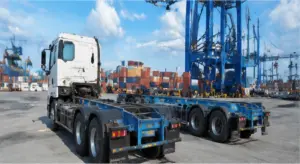
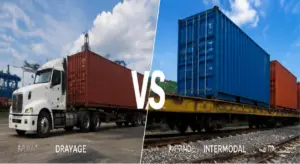
- Booking & Haulage: You or your chosen Ocean Freight Forwarder secure space on a vessel and coordinate the initial trucking (drayage) to move the container to the port of origin.
- Export Customs Clearance: Local border officials screen your cargo, verify certified scale weights, and check export compliance paperwork before authorizing vessel loading.
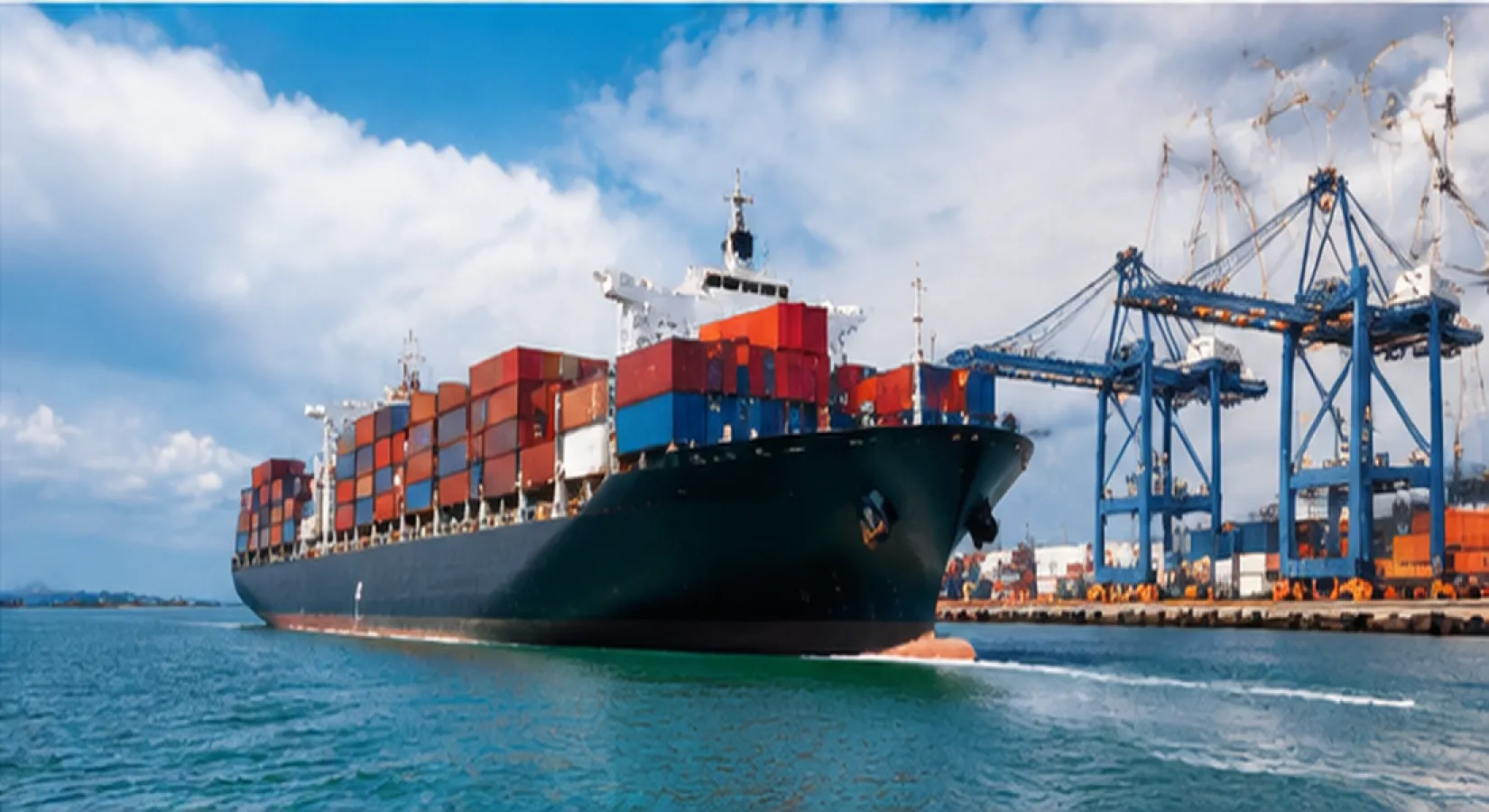
- Loading & Ocean Transit: Giant terminal cranes stack your container onto a mega-vessel, which carries the payload across global shipping lanes to the target destination country.
- Import Customs Clearance: Once the ship docks at the destination port, local border protection agents audit your customs declarations and calculate applicable duties and taxes.
- Final Inland Delivery: Local port trucks hook up the cleared container or load items onto regional rail networks to complete the last-mile delivery to your facility gate.
Vital Paperwork for International Sea Transport Compliance
Operating a smooth international sea transport loop relies on absolute data accuracy across your legal transport documents. Missing a single digital file or inputting incorrect weights triggers immediate customs holds and expensive terminal penalties.
Your procurement team must prepare these three core legal files perfectly before your truck ever arrives at the departure port terminal.
The Critical Legal Role of the Bill of Lading
The Bill of Lading (BOL or BL) represents the absolute most important document in the entire maritime logistics network. This file serves three distinct legal purposes simultaneously. It acts as a formal receipt of goods from the carrier, a binding contract of carriage detailing transport terms, and a legal document of title. Losing or misstating your BL data will freeze your shipment at the terminal immediately.
Declaring Cargo Value with the Commercial Invoice
The commercial invoice functions as your official customs declaration, detailing exactly what items live inside the shipping container. This form lists the complete financial value of the cargo, the exact country of origin, and the legal identities of the buying and selling parties. Customs officers use this document to calculate your final import duties and check for trade compliance.
Itemizing Your Freight Weights with the Packing List
The packing list delivers an itemized breakdown of how your goods are packaged inside the steel container shell. This form outlines specific dimensions, net weights, gross scale weights, and package identifiers for every pallet on the run. Staging crews and border agents cross-reference this sheet to verify your payload safety limits quickly.
Clarifying Commercial Risks with Incoterms 2020 Guidelines
International trade transactions require a clear agreement on who pays for freight costs and who holds legal liability during transit. Incoterms 2020 rules establish these global boundaries to prevent legal arguments between international buyers and sellers.
Understanding these international definitions protects your corporate ledger from surprise transport liabilities on the water. Review these two dominant trade terms used across the shipping industry:
- FOB (Free On Board): Under FOB terms, the seller handles all local export processing and is responsible for delivering the goods onto the physical ship deck. The buyer assumes all financial costs, transportation risks, and ocean freight billing from that exact point forward.
- CIF (Cost, Insurance, and Freight): Under CIF terms, the seller pays for the ocean carriage and provides marine insurance to transport the goods safely to the destination port. However, the legal risk transitions to the buyer the moment the container passes the ship rail at the origin gate.
Note: Misunderstanding your active Incoterms can leave your business underinsured if an emergency occurs at sea. Always explicitly clarify your liability boundaries inside your purchase contracts before wire transfers are sent.
Managing Current 2026 Market Volatility and Port Congestion
Managing a modern ocean freight shipping program requires continuous attention to changing global capacity indexes and geopolitical realities. Shippers who expect steady, unvarying lane conditions often face severe delivery bottlenecks during peak quarters.
The middle of 2026 has brought renewed upward trends across major container shipping trade lanes. Total global demand is up roughly 4 percent year to date, driven heavily by massive export volumes out of the Far East. At the same time, effective capacity remains tight due to ongoing detours around the Suez Canal and high yard density levels at European gateways like Rotterdam and Hamburg.
These constraints are pushing the Shanghai Containerized Freight Index higher, with spot rates to the U.S. West Coast jumping past $4,500 per 40-foot container. To maintain global trade logistics resilience in this climate, your logistics team must prioritize early bookings and maintain flexible transit timelines. Relying strictly on spot market availability leaves your business vulnerable to sudden blank sailings and equipment shortages.
The ENorth Logistics Global Trade Logistics Standard
Managing a high-performance maritime network requires working with an enterprise partner focused on absolute regulatory compliance and digital tracking. ENorth Logistics provides premium transportation management solutions across Canada, the United States, and international waters. Our team removes the operational strain of maritime shipping by coordinating your ocean freight forwarder bookings, managing your customs clearance steps, and tracking your container locations live.
To protect your enterprise from rising legal liabilities and border disruptions, our organization operates under strict compliance approvals across all domestic and cross-border corridors. We handle your inland drayage using professional drivers who maintain active operating permits and full regulatory safety backing. Our advanced digital platform integrates your multi-carrier data feeds seamlessly, giving your office real-time visibility over your cargo status from origin to final destination. Choosing ENorth Logistics means choosing a technology-driven team committed to your long-term commercial growth.
Frequently Asked Questions
What are the main benefits of professional sea freight services?
Professional sea freight services provide an exceptionally cost-effective and reliable path for moving heavy, bulky, or high-volume international cargo across long distances. This transport method utilizes massive container ships to move merchandise between continents for a fraction of the cost of air freight lines. It serves as the primary structural foundation for stable global distribution networks.
How do FCL and LCL shipping formats differ?
FCL shipping gives your company exclusive access to an entire 20-foot or 40-foot container shell, reducing handling steps and lowering product damage risks. LCL shipping consolidates smaller cargo batches from multiple businesses inside a single shared container. With LCL, you only pay for the specific cubic volume or weight your goods occupy, making it a great budget choice for small pallet counts.
Why is the Bill of Lading the most important shipping document?
The Bill of Lading is the most important document because it acts as a legally binding contract of carriage, an official receipt of cargo, and a formal document of title. This file must stay perfectly accurate to prevent customs agents from freezing your container at the destination port. It outlines exact cargo counts, handling conditions, and delivery targets.
What is the primary difference between FOB and CIF Incoterms?
Under FOB terms, the seller only handles costs until the cargo rests on the ship deck, leaving the buyer to manage all cargo shipping costs and risks from that point. Under CIF terms, the seller covers the ocean transport costs and provides marine insurance to move the goods safely to the destination port terminal. Understanding these boundaries keeps your insurance coverage accurate.
Conclusion
Protecting your international shipping budget requires a disciplined approach to equipment selection and documentation accuracy. Transitioning away from unmanaged spot-market choices toward organized contract shipping agreements shields your ledger from sudden market rate spikes and unexpected port delays. By implementing precise pallet weight verification and utilizing advanced multi-carrier tracking software, you can eliminate expensive admin penalties while keeping your client deliveries perfectly on time.
The dedicated transport logistics specialists at ENorth Logistics are ready to build a more resilient distribution framework for your business. Our team handles the complex details of route planning, carrier safety auditing, and customs clearance coordination so your staff can focus entirely on core commercial growth. Reach out to our customer support center today to execute a thorough lane performance audit while securing competitive volume contract pricing for your next cargo run.