Operating an international trade network requires a strict focus on transit times and cargo handling procedures. When your company ships merchandise across long ocean corridors, small delays can cause immediate stock shortages at your domestic distribution centers. Shippers frequently discover that unexpected port bottlenecks and sudden capacity shifts can alter transport budgets much faster than expected. Managing a modern distribution network means choosing the right technology tools to keep your freight costs manageable.
Global logistics loops rely heavily on maritime lanes to move raw components and retail goods affordably. As we progress through 2026, the demand for absolute visibility has transformed how companies purchase ocean freight space. Relying on paper documents and manual tracking phone calls will slow down your office team and cause expensive billing errors.
At ENorth Logistics, we look at global shipping infrastructure through an organized, technology-driven framework. This guide explores the latest advancements in digital workflows to help your business achieve high-level sea freight supply chain optimization.
Major Trends Reshaping Modern Ocean Logistics
Shifting economic patterns and structural updates continue to rewrite how ocean carriers manage their weekly vessel deployments. Procurement teams must adapt to these macro trends early to insulate their operations from sudden roadside and port-side disruptions.
Implementing a modern sea freight supply chain optimization plan helps your business adapt to changing container terminal regulations smoothly. Let us explore the primary structural trends shaping the international maritime industry this year.
Hyper-Automated Decision Intelligence and AI Orchestration
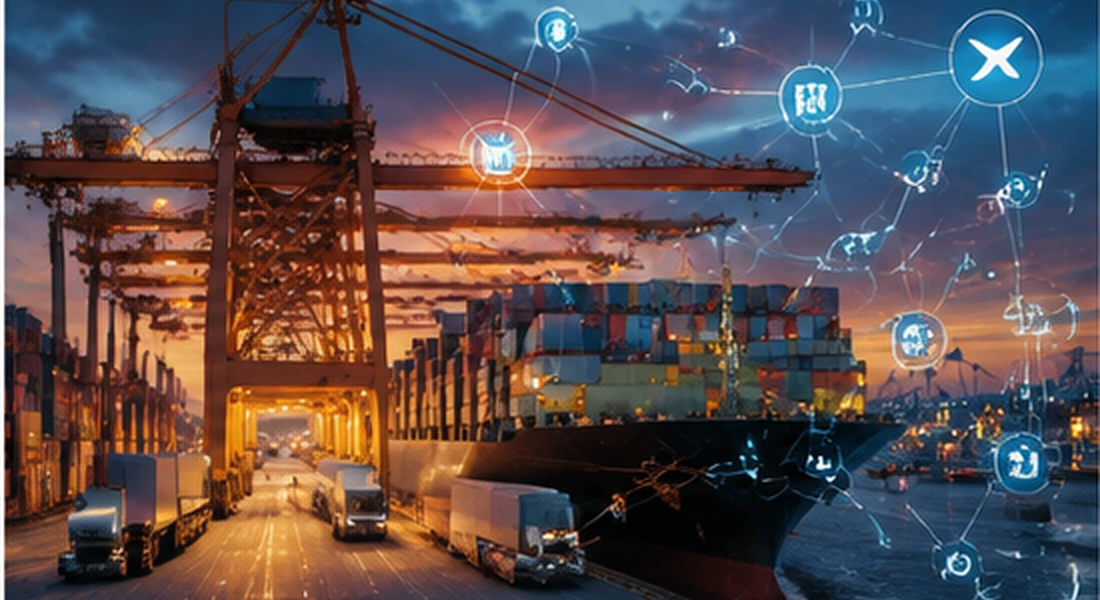
Artificial intelligence has evolved from basic tracking systems into autonomous decision-making platforms that run supply chains dynamically. Modern logistics networks utilize AI sea freight logistics software to manage complex scheduling variations automatically. These smart cloud programs analyze millions of live terminal points to build highly resilient transport plans.
Advanced platforms use predictive shipping models to act as automated co-pilots for your logistics team. The software monitors live data to suggest early route changes before your cargo gets caught in a regional backup.
Info: AI systems analyze weather patterns, port labor strikes, and gate delays to stress-test your logistics plans. If a disruption is predicted, the platform alerts your team to re-route containers automatically.
This automated step allows companies to bypass bottleneck zones, minimize vehicle driver detention times, and reduce expensive port storage penalties.
Carrier Realignment and the Rise of Mega Alliances
The global container shipping market is undergoing massive structural shifts as major carrier alliances reorganize their operational lanes. A small group of mega-alliances now controls the vast majority of global ocean container capacity. Carriers use this centralized network structure to optimize their vessel deployments, adjust transit frequencies, and control available ship slots.
This consolidation changes how your procurement team must approach annual contract negotiations. Because capacity is managed tightly by a few large corporate groups, spot rate volatility can spike rapidly during peak travel seasons. Shippers can stay resilient by securing long-term volume agreements rather than relying purely on fluctuating open-market spot rates.
Green Logistics and Decarbonization Tracking Compliance
Environmental sustainability metrics have transitioned from basic public relations goals into strict mandatory corporate performance requirements. Major international ports are enforcing carbon taxes and low-emission shipping rules that penalize polluting vessels. Shippers must track their transport emissions actively to stay compliant with global trade audits.
Logistics managers rely on advanced decarbonization tracking software to monitor carbon output across every ocean lane. Platforms like the Wärtsilä Fleet Optimisation Solution collect real-time fuel burn metrics from active container ships. Access to this green data helps your organization satisfy internal ESG mandates while avoiding expensive carbon non-compliance fines at European and North American gateways.
Diversified Sourcing and Nearshoring Adjustments
Relying on a single manufacturing hub leaves your business vulnerable to severe supply chain failures if a local lockdown or port strike occurs. To protect their distribution lines, global manufacturers are adopting tiered sourcing models. Companies are intentionally moving production facilities closer to their end consumption markets.
This shift toward regionalization has boosted ocean lane traffic across several growing manufacturing territories:
- Southeast Asia: Industrial centers in Vietnam and Malaysia are seeing high container volumes for retail electronics.
- India: Production corridors are expanding rapidly to supply heavy industrial machinery components.
- Latin America: Nearshoring hubs in Mexico and Central America offer fast transit speeds to North American consumers.
Crucial Maritime Technologies Driving Efficiency
Implementing a high-performance logistics network requires a robust combination of hardware sensors and cloud tracking systems. If your team manages inventory using manual text entries, your tracking data will remain fractured and slow.
Selecting the right digital tools keeps your cargo moving smoothly past international customs terminal checkpoints. Let us look at the primary physical systems that power modern maritime digitization.
Internet of Things (IoT) Sensors and Predictive Maintenance
Modern ocean carriers install advanced IoT sensors directly inside ship engine rooms and cargo trailer frames. These wireless devices collect data points continuously, turning massive container vessels into floating data centers. The sensors stream information regarding machinery heat, hull friction, and engine vibrations back to maintenance offices.
This data flow powers predictive tracking systems that can forecast machinery failures weeks before a breakdown occurs on the open sea. Catching mechanical issues early allows technical crews to perform repairs during routine dock stops. This proactive maintenance heavily reduces dreaded off-hire periods and keeps your delivery schedules highly predictable.
Digital Twins and Route Optimization Algorithms
A digital twin functions as a highly precise virtual replica of your physical supply chain network. This advanced freight software uses cloud computing to simulate real-world maritime disruptions by crunching data simultaneously from multiple environmental sources.
Live Weather Feeds + Ocean Current Speeds + Hull Friction Data = Optimal Route Suggestion
The system runs route optimization algorithms to calculate the most fuel-efficient path for your container shipments. It balances ocean current speeds and weather patterns to help vessels maintain speed while lowering total fuel use. Shippers use these digital simulations to identify hidden shipping bottlenecks before their trucks arrive at the factory loading dock.
Blockchain Tech and Electronic Bills of Lading
Traditional maritime shipping relied on paper documents that had to be printed, signed, and couriered across borders manually. This paper trail often caused severe storage delays if files were lost or delayed in transit. Modern supply chains use a secure block-chain ledger to digitize their legal administrative workflows completely.
Note: An electronic Bill of Lading (eBL) backed by blockchain secures complete trade transparency globally. Digital document handovers happen within minutes, allowing your warehouse team to clear customs quickly without waiting for physical paper delivery.
Straightforward Scannable Guide for Sourcing Optimization
Selecting the right technology combination requires a clear view of how different digital features impact your daily warehouse tasks. Shippers can check this quick reference table to match their operational goals with the best maritime automation tools.
Sourcing Technology Tool | Primary Operational Focus | Core Supply Chain Advantage |
AI Sea Freight Logistics | Autonomous routing and predictive shipping | Reroutes vessels dynamically to bypass port backups |
Sea Freight Tracking System | Continuous real-time visibility via API feeds | Provides automated container tracking to resolve billing disputes |
Smart Ports Integration | Automated container lifting and digital gates | Drives port congestion mitigation to reduce truck turn times |
Blockchain Ledgers | Electronic Bills of Lading (eBL) secure tracking | Speeds up customs clearance with instant digital file transfers |
Actionable Operational Steps to Streamline Ocean Cargo
Improving your transportation efficiency requires moving away from unmanaged spot market purchasing habits. Shippers can implement disciplined operational habits at their factory gates to control their total landed costs.
- Book Your Vessel Capacity Early: Secure your container slots four to six weeks before your cargo readiness date to protect your supply chain from sudden blank sailings.
- Audit Your Document Accuracy: Ensure your commercial invoices, packing lists, and electronic bills of lading match exactly to prevent expensive customs inspection holds.
- Deploy Multi-Carrier Integration Systems: Combine your tracking data into a single cloud dashboard to eliminate communication gaps across separate transport providers.
Sourcing Strategic Support with ENorth Logistics
Coordinating a high-performance, automated transport grid requires a certified logistics partner focused on asset safety and digital visibility. ENorth Logistics provides premium container transport and global trade management solutions across Canada, the United States, and international corridors. We remove the operational strain of maritime shipping by coordinating your carrier bookings, managing your customs clearance steps, and providing complete live visibility over your valuable cargo.
Our team utilizes advanced digital tracking systems to provide real-time freight visibility from pickup to drop-off. We continuously monitor changing weather conditions, port delays, and customs regulations to protect your corporate profit margins from unexpected disruptions. Partnering with ENorth Logistics means choosing a technology-driven team dedicated to your long-term commercial growth.
Frequently Asked Questions
What is sea freight supply chain optimization?
Sea freight supply chain optimization is the strategic practice of streamlining international ocean transport using advanced analytics, digital documentation, and automated carrier selection. This process helps businesses eliminate structural waste, reduce empty container miles, and improve delivery reliability. Optimizing these lanes lowers your final landed costs while keeping your inventory cycles fully predictable.
How does artificial intelligence improve port congestion mitigation?
Artificial intelligence improves port congestion mitigation by analyzing live traffic congestion, crane wait times, and customs processing speeds at major marine terminals. The software uses route optimization algorithms to predict upcoming terminal backups early. This visibility allows dispatchers to adjust delivery schedules dynamically or redirect trucks to alternative rail yards before delays occur.
Why are smart ports vital for modern international trade?
Smart ports utilize automated guided vehicles, robotic cranes, and digital gate networks to handle high-volume container transfers efficiently. These connected facilities communicate directly with a vessel’s sea freight tracking system to coordinate offloading sequences before the ship anchors. This technical integration reduces truck turn times and shrinks the physical footprint needed to run the terminal yard.
What is the primary benefit of utilizing digital twins in logistics?
The primary benefit of utilizing a digital twin is the ability to simulate complex supply chain disruptions digitally using real-time data feeds. The platform evaluates engine vibrations, hull friction, and current weather models to identify hidden inefficiencies along your active lanes. This tracking capability lets your company choose the most fuel-efficient routing path to control your transportation spending.
Conclusion
Succeeding in a highly volatile international market requires a disciplined approach to maritime technology and automated data tracking. Transitioning away from old paper-based tracking methods toward an integrated sea freight supply chain optimization program protects your corporate ledger from unexpected port storage fees and driver delays. Implementing real-time visibility tools, electronic bills of lading, and predictive route planning ensures your heavy containers move seamlessly across global trade corridors.
You do not have to tolerate exhausting distribution blind spots or sudden capacity bottlenecks that stall your customer deliveries. The experienced container logistics specialists at ENorth Logistics are ready to build a more resilient tracking framework for your business. Reach out to our customer support desk today to execute a comprehensive lane visibility audit, upgrade your digital data integrations, and request an accurate quote for your next automated shipment run.