Moving goods across borders is the operational foundation of modern international commerce. For companies regularizing high-volume trade, establishing a reliable shipping process is critical to protect corporate margins. When your production points sit thousands of miles away from your distribution markets, transportation costs can break your business model if left unmanaged. Shippers frequently discover that sudden port congestion and changing fuel prices can alter their final delivery invoices much faster than expected.
The global trade network relies heavily on ocean channels to keep manufacturing plants and retail shelves properly stocked. In fact, ocean transport moves over 80 percent of international cargo by volume. Sourcing dependable contract shipping options ensures your inventory moves predictably without draining your working capital.
At ENorth Logistics, we look at global shipping channels through a practical, data-driven framework. This guide clarifies the primary transportation modes, essential paperwork, and network configurations to help you optimize your sea freight import export logistics program.
Primary Container Configurations for International Ocean Cargo
Selecting the ideal loading setup for your cargo sizes changes your overall shipping cost-efficiency. Shippers must evaluate their physical inventory volumes before booking space on a vessel. Using the wrong format can lead to empty storage fees or unnecessary handling delays at the dock.
The international logistics market divides cargo moves into distinct service categories based on container space sharing. Reviewing these options allows you to choose an ideal balance of speed and price for your specific supply chain needs.
Full Container Load Shipping for Exclusive Fleet Capacity
Full Container Load (FCL) shipping means you secure exclusive use of an entire 20-foot or 40-foot ocean container shell. This method is the primary choice for moving large shipments that can fill a truck completely, usually measuring over 15 cubic meters (CBM).
Review the distinct advantages of utilizing an FCL strategy for your network:
- Lower Unit Costs: Renting the entire container provides a lower cost-per-item ratio compared to shared alternatives.
- Direct Port Transit: Your container moves directly from the loading origin to the target port of discharge without intermediate hub stops.
- Maximum Security: The steel container is sealed with a high-security lock tag at the manufacturing facility and remains closed until it enters your facility yard.
Less than Container Load for Shared Cargo Consolidation
Less than Container Load (LCL) shipping consolidates small pallet quantities from multiple separate companies inside a single shared container. This method works perfectly when you have smaller shipments that measure under 10 to 15 cubic meters. Shippers only pay for the exact physical space or cubic volume their cargo occupies inside the container.
This setup lowers your upfront capital requirements, allowing you to run a lean, just-in-time warehouse replenishment model. However, the container consolidation process requires extra handling steps at specialized port warehouses. Workers must pack the container at the origin port and unpack the pallets at the destination terminal, which adds time to your overall timeline.
The Step-by-Step Blueprint of the Maritime Logistics Journey
Moving a container across international shipping corridors requires a series of interconnected steps. Shippers who manage their shipments carelessly often face expensive delays at customs terminals. Working closely with an experienced freight forwarder keeps your distribution channels clear of roadside friction.
The process of moving cargo from an overseas supplier to your local warehouse follows a strict timeline. To keep your supply chain management program running smoothly, your team must track each of these five core operational stages.
Stage 1: Export Haulage and Initial Pickup
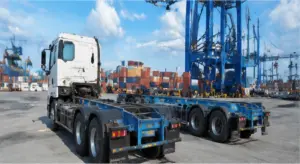
The logistics journey begins at the supplier facility door. A local truck carrier collects your prepared pallets and secures them onto a container chassis or a standard dry van trailer. The driver then transports the freight over local road systems directly to the designated origin port terminal yard.
Stage 2: Origin Customs Clearance Processing
Before your cargo can legally leave the departure country, border protection agents must audit your shipment data. Your customs broker files the mandatory export declarations along with your commercial invoices.
Info: Missing data or wrong item counts on your export filings will halt your truck at the port gate immediately. Ensuring perfect paperwork accuracy prevents unexpected delays during this initial gate screening.
Stage 3: Ocean Transit Across Global Sea Lanes
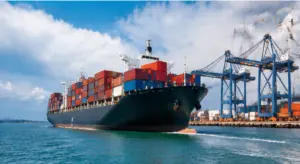
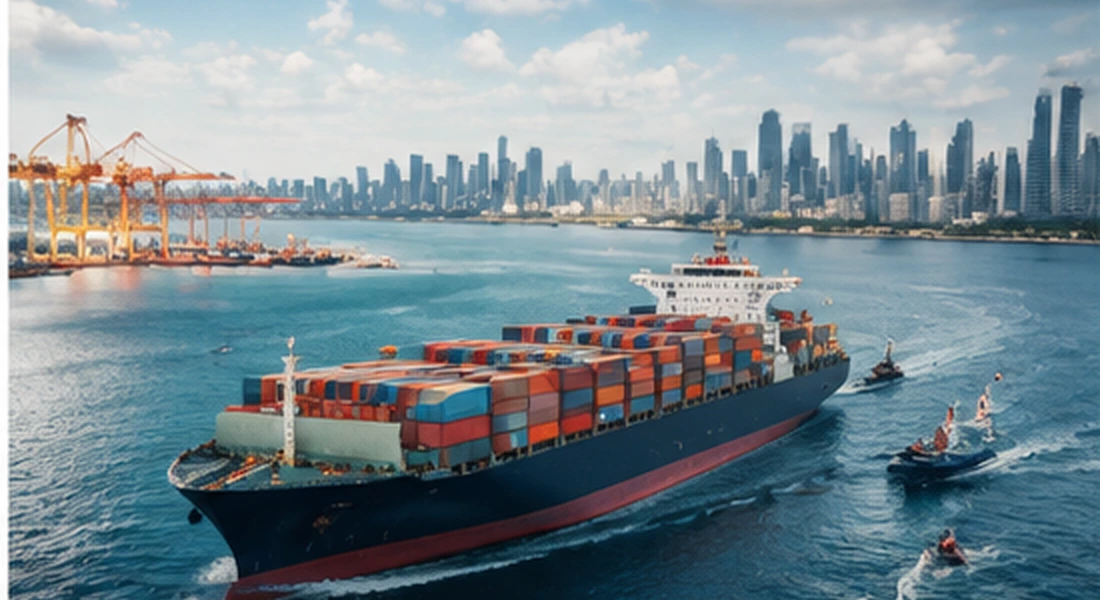
Once local border officials clear the shipment, giant terminal cranes lift the container onto a mega-vessel. This ocean transit phase represents the main leg of the journey, where the ship carries the payload across international waters. Shippers must track these vessel schedules closely to manage their warehouse inventory levels.
Stage 4: Import Customs Clearance at the Destination Port
When the vessel anchors at the destination port, the cargo must pass through import customs clearance in the receiving country. Border agents check your product declarations and verify your assigned Harmonized System (HS) codes. These standardized codes determine the exact tariffs, duties, and taxes your company must pay to clear the container legally.
Stage 5: Import Haulage and Last-Mile Delivery
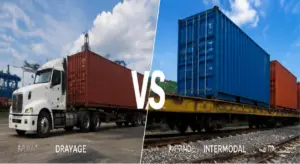
The final step of the logistics cycle involves moving the cleared container from the marine dock to your facility. A local drayage truck hooks up the container and hauls it over regional highways directly to your distribution center. Once the truck arrives, your warehouse crew can finally open the sealed doors and unload the merchandise.
Technical Performance Benchmarks for Ocean Shipping Models
Selecting the best transportation mix requires comparing operational traits across different asset classes. Shippers can check this quick reference guide to align their inventory targets with the best international sea freight shipping solutions.
Shipping Option Class | Minimum Volume Guide | Target Travel Timeline | Core Operational Advantage |
Full Container Load (FCL) | Over 15 Cubic Meters (CBM) | Fast (Direct Port-to-Port Route) | Minimal handling and exclusive trailer utilization |
Less than Container Load (LCL) | Under 10 Cubic Meters (CBM) | Moderate (Includes Terminal Staging) | Highly cost-effective for small parcel batches |
Intermodal Rail Transit | Long-Distance Containers | Slow (Depends on Rail Schedules) | Exceptionally sustainable and economical for inland runs |
Vital Paperwork for International Sea Transport Compliance
Operating a smooth ocean transport loop relies on absolute data accuracy across your legal transport documents. Shippers who ignore administrative billing details face frequent customs holds and unexpected port storage adjustments. Your procurement team must prepare these three core legal files perfectly to avoid costly port demurrage fees.
The Critical Legal Role of the Bill of Lading
The Bill of Lading (BOL) represents the absolute most important document in the entire transport network. This file serves simultaneously as an official receipt of cargo from the carrier, a binding contract of carriage, and a formal document of title. Losing or misstating your BOL data will freeze your shipment at the terminal immediately.
Declaring Cargo Value with the Commercial Invoice
The commercial invoice functions as your official customs declaration, detailing exactly what items live inside the shipping container. This form lists the complete financial value of the cargo, the exact country of origin, and the legal identities of the buying and selling parties. Customs officers use this document to calculate your final import duties and check for trade compliance.
Itemizing Your Freight Weights with the Packing List
The packing list delivers an itemized breakdown of how your goods are packaged inside the steel container shell. This form outlines specific dimensions, net weights, gross scale weights, and package identifiers for every pallet on the run. Staging crews and border agents cross-reference this sheet to verify your payload safety limits quickly.
Clarifying Commercial Risks with Incoterms Guidelines
International trade transactions require a universal language to define who pays for shipping costs and who holds legal liability during transit. Established by the International Chamber of Commerce (ICC), Incoterms dictate exactly when risk and responsibility transfer from the seller to the buyer.
Note: Misunderstanding your active Incoterms can leave your business underinsured if an emergency occurs at sea. Always explicitly clarify your liability boundaries inside your purchase contracts before wire transfers are sent.
Review these two dominant trade terms used across the shipping industry:
- FOB (Free On Board): Under FOB terms, the seller handles all local export processing and is responsible for delivering the goods onto the physical ship deck. The buyer assumes all financial costs, transportation risks, and ocean freight billing from that exact point forward.
- CIF (Cost, Insurance, and Freight): Under CIF terms, the seller pays for the ocean carriage and provides marine insurance to transport the goods safely to the destination port. However, the legal risk transitions to the buyer the moment the container passes the ship rail at the origin gate.
Sourcing Strategic Best Practices for Global Importers and Exporters
Lowering your total logistics expenses requires moving away from reactive spot market purchasing habits. Shippers who implement disciplined operational routines at their factory docks can eliminate structural waste and optimize their equipment utilization.
Always Secure Dedicated Cargo Insurance
Ocean transits can be highly unpredictable due to changing regional weather disruptions and maritime route shifts. Relying strictly on basic carrier liability is a dangerous strategy, as standard ocean contracts limit the carrier’s financial exposure if an accident happens on the water. Securing a dedicated marine cargo insurance policy safeguards your corporate capital against total product loss or heavy water damage at sea.
Integrate Your Systems for E-Commerce Logistics and Global Fulfillment
Online shopping brands require real-time visibility to manage customer expectations effectively. If you run an online storefront, your ocean cargo data must link directly with your internal Warehouse Management System (WMS).
Integrating your tracking portals allows your team to coordinate e-commerce logistics and global fulfillment workflows seamlessly. Knowing exactly when a container clears customs allows your fulfillment center to schedule packaging crews efficiently, reducing order processing delays.
Partner with Professional Freight Brokerage Services
Managing the moving parts of global trade can overwhelm an in-house logistics team quickly. Partnering with professional freight brokerage services gives your enterprise immediate access to a vetted network of ocean carriers and local drayage trucks. A certified broker leverages bulk volume discounts to lower your base shipping rates while ensuring your documentation stays fully compliant with updated international laws.
Flawless Data Entry → Automated Broker Selection → Compliant Customs Clearance
The ENorth Logistics Performance Blueprint
Coordinating an efficient, automated transportation network requires a certified logistics partner focused on compliance and safety. ENorth Logistics provides premium sea freight import export logistics management solutions across Canada, the United States, and international corridors. We remove the operational strain of global shipping by coordinating your carrier bookings, managing your customs clearance steps, and monitoring your container status live.
To guarantee complete peace of mind for your enterprise, our organization maintains active, audited operating credentials across all state and provincial corridors:
- Active USDOT Registration: Full federal license for legal interstate transport across all U.S. highway systems.
- Valid MC Authority: Approved commercial carrier licensing to handle high-volume cross-border international container movements.
- Ontario CVOR License: Active Commercial Vehicle Operator’s Registration to operate heavy equipment legally within Canadian transport zones.
- Complete IFTA Compliance: Audited fuel tax reporting safety across all regional boundary lines.
Our team utilizes advanced digital tracking frameworks to provide real-time freight visibility from pickup to drop-off. We continuously monitor changing weather conditions, permit restrictions, and harbor wait times to protect your corporate profit margins from unexpected disruptions. Partnering with ENorth Logistics means your commercial cargo is fully protected by an elite, fully certified transportation network.
Conclusion
Succeeding in a competitive international marketplace requires a disciplined approach to vehicle selection and documentation accuracy. Transitioning away from unmanaged, last-minute spot market bookings toward structured contract shipping agreements shields your corporate ledger from unexpected rate spikes and port delays. By tracking your container lifecycles carefully, checking your local free time limits, and utilizing advanced multi-carrier tracking software, you can eliminate expensive admin penalties while keeping your client deliveries perfectly on time.
The experienced container logistics specialists at ENorth Logistics are ready to build a more resilient distribution framework for your business. Our team handles the complex details of route planning, port scheduling, carrier safety auditing, and customs clearance coordination so your staff can focus entirely on core commercial growth. Reach out to our customer support center today to execute a comprehensive lane performance audit, secure competitive volume contract pricing, and request an accurate quote for your next cargo run.
Frequently Asked Questions
What is the primary definition of sea freight import export logistics?
Sea freight import export logistics encompasses the strategic planning, documentation, and physical transport of containerized cargo across international ocean lanes. This specialized sector handles everything from origin pickup and customs clearance to the final drayage delivery. Managing these steps through an organized network helps businesses lower their shipping costs and improve delivery reliability.
How do FCL and LCL shipping formats differ?
FCL shipping gives your company exclusive access to an entire 20-foot or 40-foot container shell, reducing handling steps and lowering product damage risks for large volumes. LCL shipping consolidates small pallet loads from multiple companies inside a single shared container. With LCL, you only pay for the specific cubic space your goods occupy, making it a great choice for smaller batches.
Why is an accurate Bill of Lading critical for global trade compliance?
An accurate Bill of Lading is critical because it serves as the official legal contract between the shipper and the ocean carrier. This document outlines exact cargo counts, handling conditions, and delivery targets. Providing flawless data on your BOL ensures smooth customs clearance and prevents international border authorities from issuing expensive terminal storage penalties.
When should a shipper select FOB terms over a CIF contract?
A shipper should select FOB terms when they want complete control over the ocean carrier selection, transit routing, and freight costs. FOB requires the buyer to manage the main ocean carriage, which is ideal for large companies with established shipping contracts. CIF terms are preferred by smaller importers who want the seller to handle the ocean freight arrangements and insurance.