Running a successful commercial enterprise requires a reliable plan to move your inventory from production plants to customer warehouses. When your supply chain experiences regular delays or unexpected rate spikes, your company risks losing vital retail relationships. Many corporate managers treat shipping as a simple background task until a major highway bottleneck halts their distribution channels. Building a dependable distribution system requires a clear understanding of your over-the-road vehicle choices and carrier systems.
Overland shipping forms the baseline for moving materials across Canada and the United States. Choosing the right logistics provider keeps your retail shelves stocked and your delivery times fully predictable. At ENorth Logistics, we view moving commercial cargo through an organized, technology-driven framework. This guide will clarify the primary transportation options and network configurations to help you lower your annual freight expenses.
Primary Ground Transportation Types for Sourcing Logistics Capacity
Selecting the best vehicle type for your cargo sizes keeps your daily warehouse operations highly efficient. Shippers must analyze the physical volume and weight of their pallets before booking an over-the-road carrier. Moving your inventory through the wrong mode leads to empty trailer space and unnecessary corporate spending.
There are several standard transportation formats engineered to handle commercial cargo distributions across North American highways. Vetting these choices carefully allows your team to balance transit speed and budget goals accurately.
Less-Than-Truckload Shipping for Smaller Cargo Sizes
Less-Than-Truckload (LTL) shipping works perfectly for growing companies that transport smaller cargo sizes. This method typically accommodates shipments containing one to six standard pallets on a single run. Shippers share the physical trailer space with compatible loads from other businesses, meaning you only pay for the specific floor space your goods occupy.
Note: LTL financial rates depend heavily on mileage distance, total weight, handling risks, and standardized freight class metrics. This system categorizes items to keep carrier pricing fair.
Full Truckload Freight for Direct Delivery Paths
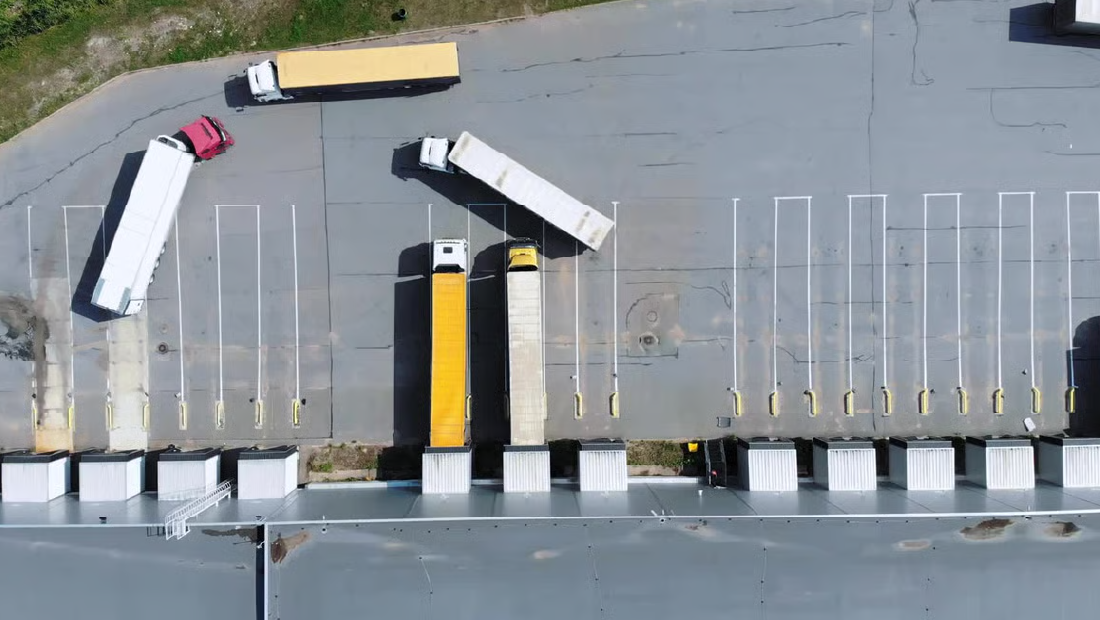
Full Truckload (FTL) shipping gives your business exclusive use of an entire 53-foot enclosed trailer. This method is the ideal path for moving large shipments that can fill a truck completely or require specialized cargo protection.
Because your freight does not share space with other companies, the driver rolls straight from your warehouse to your customer’s receiving dock. This direct movement cuts out extra handling steps at intermediate sorting terminals. Consequently, you gain faster transit timelines and reduce the risk of product damage during transit.
Intermodal Transport and Expedited Alternative Modes
When highway capacity tightens, smart businesses look toward alternative logistical frameworks to keep their goods moving. Review these secondary transportation methods to diversify your freight strategy:
- Intermodal Transport: This choice combines multiple transport modes by using heavy rail cars for long-distance linehauls and commercial trucks for local delivery steps. It represents an exceptionally sustainable and economical choice for cross-country shipping paths.
- Expedited Freight: This service focuses entirely on time-critical materials, emergency machinery components, high-value electronics, and medical goods. It completely bypasses standard sorting centers to ensure rapid, direct delivery.
Performance Comparison Matrix for Ground Cargo Delivery
Selecting the perfect transportation mix requires comparing operational traits across different asset classes. Shippers can check this quick reference guide to align their inventory targets with the best over-the-road solutions.
Transportation Type | Ideal Shipment Volume | Direct Transit Speed | Key Operational Advantage |
Less-Than-Truckload (LTL) | 1 to 6 Standard Pallets | Moderate (Includes Hub Stops) | Highly cost-effective for small freight sizes |
Full Truckload (FTL) | Full 53-Foot Trailer Load | Fast (Direct Terminal Path) | Minimal handling and exclusive trailer use |
Intermodal Transport | Long-Haul Containers | Slow (Depends on Rail Lines) | Exceptionally sustainable and economical |
Expedited Freight | Emergency Cargo Items | Maximum Speed (Continuous Run) | Bypasses standard networks with team drivers |
How Core Logistics Networks Direct the Flow of Overland Shipping
The physical path your cargo takes through the country depends on how a carrier configures its terminal infrastructure. Different lane structures provide unique advantages for delivery speed and terminal handling costs. Shippers must match their delivery targets to the right network style to avoid extended transit bottlenecks on the road.
A well-structured carrier network utilizes strategic warehouse hubs to combine freight lanes smoothly. Analyzing these network variations lets you design more resilient distribution models for your inventory.
Hub-and-Spoke Networks Versus Point-to-Point Routes
The hub-and-spoke system routes regional cargo through centralized sorting hubs before dispatching items to local delivery trucks. This architecture serves as the standard operational framework for national LTL carriers. By gathering shipments from multiple cities at a central node, providers can maximize trailer density for the long highway runs.
But the extra unloading steps mean your goods spend more time inside regional hubs. Point-to-point networks cut out the middle sorting step by moving trucks directly from your loading bay to the final destination point. This direct route design serves as the primary framework for regional FTL operations.
Securing Dedicated Fleets for Guaranteed Fleet Capacity
A dedicated fleet arrangement gives your business exclusive access to a fixed set of trucks and drivers. The carrier assigns these assets to your corporate accounts all year long, providing a private transport network without the overhead of vehicle maintenance. This setup guarantees that your company holds steady shipping capacity even during peak construction seasons or holiday rushes. It provides highly consistent service levels and custom delivery routines for your regular customer routes.
Value-Add Capabilities Extending Beyond Standard Trucking Logistics
Moving freight successfully often requires specialized handling skills that go past basic dock-to-dock transit. High-performance carriers offer custom ground features to safeguard unique commodity classes from road hazards.
Info: Modern trucking fleets are supported by 24/7 dispatch services, GPS monitoring, and centralized supply chain tracking portals to ensure absolute visibility.
Review these specialized ground services to expand your distribution capabilities:
- Drayage Services: Short-distance container hauling that moves heavy ocean containers from maritime ports to local distribution warehouses.
- Temperature-Controlled Transport: Specialized refrigerated trailers used to transport perishable foods, liquids, biological samples, and pharmaceuticals at strict temperature limits to prevent early spoilage.
- Flatbed Shipping Configurations: Open trailers designed for oversized loads or heavy vehicle assets that cannot be loaded from the back of a standard enclosed trailer.
Practical Sourcing Strategies to Optimize Your Road Freight Transport Budget
Lowering your total transportation overhead requires implementing disciplined warehouse habits and utilizing advanced management software. Shippers who ignore administrative billing details face frequent fee adjustments from their carriers.
Managing your logistical documentation carefully removes unnecessary delays at your shipping dock. Implementing these smart vetting steps keeps your financial records completely accurate.
Managing Freight Classification to Eliminate Rebilling Fees
Inputting incorrect weight metrics or wrong classification codes on your bill of lading triggers immediate financial penalties. Carriers utilize automatic laser dimension systems to scan every pallet moving through their terminals. If your data contains mistakes, the provider will assess expensive re-weigh and re-class fees to correct the invoice. Shippers can avoid these surprise upcharges by utilizing digital guidance tools like the GoShip LTL Freight Class Calculator. Measuring your pallets accurately before the truck arrives keeps your billing predictable.
Tracking Accessorial Charges and Working With ENorth Logistics
Accessorial charges represent separate fees assessed for driver tasks that fall outside standard dock-to-dock transport. Common examples include residential delivery fees, liftgate services, storage fees, and inside delivery accommodations. Warehouse managers must review their customer destination sites in advance to include these accessorial costs on the initial quote. This preparation prevents surprise backend charges from altering your project profits.
And partnering with an enterprise provider like ENorth Logistics helps smaller businesses gain access to competitive corporate shipping rates. ENorth Logistics aggregates freight volumes from multiple commercial accounts to negotiate deep volume discounts with national trucking fleets. Our team also equips your office with advanced software portals to track your ground cargo delivery paths live.
Conclusion
Protecting your corporate shipping budget requires a disciplined approach to vehicle selection and documentation accuracy. Transitioning away from unstable spot-market choices toward organized contract shipping agreements shields your ledger from sudden rate spikes. By implementing precise pallet weight verification and utilizing advanced multi-carrier tracking software, you can eliminate expensive admin penalties while keeping your client deliveries perfectly on time.
The dedicated transport logistics specialists at ENorth Logistics are ready to build a more resilient distribution framework for your business. Our team handles the complex details of route planning and carrier safety auditing so your staff can focus entirely on core commercial growth. Reach out to our customer support center today to execute a thorough lane performance audit while securing competitive volume contract pricing for your next cargo run.
Frequently Asked Questions About Ground Freight Services
What are ground freight services?
Ground freight services are commercial overland transportation solutions that move cargo using trucking fleets and highway networks. This shipping method offers flexible door-to-door delivery across North American corridors by utilizing specialized trailer types. Shippers deploy these overland services to transport retail products and raw manufacturing components cost-effectively.
How does Less-Than-Truckload shipping optimize logistics networks?
Less-Than-Truckload shipping optimizes logistics networks by consolidating small pallet counts from multiple companies inside a single trailer. This systematic pooling increases carrier trailer density and lowers individual shipping rates. Shippers only pay for the specific floor space their goods occupy, making it a highly economical choice for small freight sizes.
Why is accurate freight classification vital for trucking logistics?
Accurate freight classification is vital because it determines your legal transport rates based on product density and handling safety risks. Providing precise dimensions prevents carriers from assessing expensive re-weigh or re-class penalties during terminal audits. Checking your data with digital calculators ensures your transport invoices remain completely accurate and fully predictable.
What is the main benefit of intermodal road freight transport?
The main benefit of intermodal transport is the combination of rail lines and trucking fleets to lower long-distance fuel expenses. This multi-mode setup offers an exceptionally sustainable and economical path for cross-country runs. It allows businesses to move heavy containers efficiently while cutting down on highway tractor maintenance.