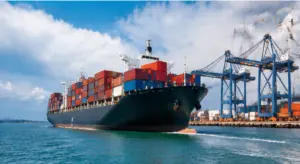
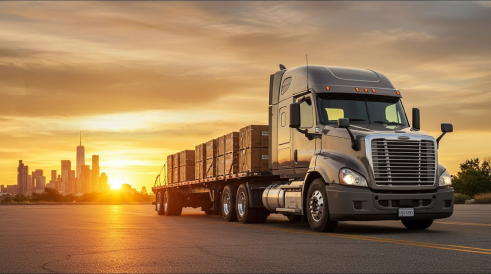
Ocean vessels carry millions of tons of retail goods across the globe every single day. But the entire international trade loop can stall completely if your business lacks a plan to clear cargo off the local docks. Many supply chain managers track their ocean shipments perfectly but fail to plan for the short highway move between the harbor gate and their local distribution centers. This initial transit gap often leads to severe container blockages and unexpected storage penalties.
Overland container transport solves this common logistical breakdown by providing fast, hyper-localized distribution solutions. Choosing an experienced transport partner keeps your containers moving seamlessly without getting stuck in congested terminal yards. At ENorth Logistics, we look at port operations through an organized, data-driven framework. This guide will clarify how specialized short-haul shipping functions to help you lower your annual port operational expenses.
Defining Drayage Trucking Services within the Modern Logistics Grid
Global supply chains depend heavily on specialized vehicles to handle heavy metal ocean containers safely. Standard long-haul highway trucks are not always equipped to process the constant loading rules enforced at marine hubs. Choosing the correct transport setup protects your inventory from logistical friction.
Drayage trucking services focus on the short-distance transport of containerized cargo between ports, rail terminals, industrial yards, and local warehouses. This localized transport sector handles the vital first and last mile of the broader distribution network. By bridging the gap between separate shipping modes, these local runs ensure that international freight transitions smoothly onto regional highways.
The Critical Role of First and Last Mile Container Movement
The physical movement of freight requires continuous coordination between ocean lines and rail operators. If any link in this network experiences a delay, entire distribution chains can experience major inventory shortages.
Localized port trucking fleets focus on moving standard 20-foot, 40-foot, 45-foot, or custom high-cube shipping containers efficiently. Drivers pull these heavy metal boxes directly between the ship, the train, the yard, and the road. Because these trips are short, a single local truck can complete multiple terminal runs in a single day, maximizing your overall logistics efficiency.
Primary Categories of Port Trucking and Drayage Operations
Not every container transfer follows an identical path through a metropolitan shipping lane. Carriers separate their local transport options into distinct operational categories to match your specific warehouse locations and delivery speeds.
Vetting these specialized options ensures your business uses the correct vehicle assets for each terminal run. Let us look closely at the primary drayage categories utilized across the shipping market.
Operational Variations in Cargo Routing and Delivery
The exact category you select determines how a driver routes your container through regional transport hubs. Choosing the right configuration prevents unnecessary handling steps at congested rail yards.
Review these standard operational choices to organize your container drayage plans:
- Inter-Carrier Drayage: Transporting a loaded container between entirely different transport carriers, such as moving a box from an ocean port terminal directly to a regional rail yard.
- Intra-Carrier Drayage: Moving an industrial container between different tracking facilities or separate docks owned by the same carrier company.
- Pier Drayage: Shifting ocean cargo from a primary marine port dock to a nearby storage hub or a local cross-dock warehouse.
- Expedited Drayage: High-priority, time-sensitive transport designed specifically to beat strict port cutoff times or avoid upcoming warehouse closure windows.
- Door-to-Door Drayage: Delivering the loaded shipping container directly from the entry port to your customer’s main warehouse facility without intermediate stops.
The Step-by-Step Container Drayage Lifecycle
Moving a shipping container out of a marine facility requires following a strict chain of steps. Shippers who ignore terminal protocols face frequent gate rejections and severe inventory delays.
Managing this timeline carefully keeps your logistics network moving smoothly without any extra friction. Let us check the vital stages of a standard import container cycle.
From Port Arrival to Empty Return Flow
The lifecycle of an international shipment involves a balanced blend of customs clearing steps and local driver assignments. Each phase must be completed within a specific timeframe to protect your budget.
A typical import drayage cycle relies on these five core operational stages to maintain efficiency:
- Container Availability: The ocean vessel unloads the container onto the dock where it is cleared by customs officers.
- Terminal Appointment: The local drayage firm books a designated time slot with the port authorities to pick up the container.
- Chassis Provisioning: The dispatch driver arrives at the yard and attaches the container to a specialized trailer chassis.
- Transit Operations: The vehicle moves the container over local roads to your final warehouse or distribution center.
- Empty Return: The driver brings the empty container back to the port terminal within the allowed window to prevent ongoing asset charges.
Mitigating Complex Fees and Bottlenecks in Port Logistics
Marine terminals enforce strict facility rules and tight equipment storage timelines to prevent severe yard crowding. Shippers who leave their containers sitting on the docks face significant automated financial penalties.
Understanding how these extra charges accrue allows your accounting team to protect your corporate profit margins. Let us evaluate the primary accessorial fees that impact your transport network.
Accessorial Charges Impacting Your Supply Chain Budget
Accessorial fees represent separate charges billed by ports, railroads, and ocean lines to penalize shippers for logistics delays. These penalties can add thousands of dollars to a single invoice if your warehouse experiences offloading delays.
Review this scannable summary table to track common operational cost risks:
Fee Category | Primary Billing Cause | Core Supply Chain Impact |
Demurrage Fee | Loaded container sits past the “Last Free Day” inside the port yard. | Massive daily fines that increase the longer your cargo blocks dock space. |
Detention Penalty | Empty container or carrier chassis is held past the allowed return window. | Daily charges from the ocean line that drain your working capital lines. |
Chassis Split Charge | Trucker must fetch the container and chassis from separate facility depots. | Extra labor fees that increase your base short-haul port transport bills. |
Pre-Pulling Fee | Driver stores the container overnight inside the trucking company’s secure yard. | Incurred if your receiver’s warehouse is closed or port appointments are missed. |
Note: Demurrage and detention fees are completely separate expenses. Demurrage covers container storage inside the terminal gate, while detention penalizes your business for holding equipment outside the yard.
Sourcing Strategic Efficiencies – 2026 Industry Best Practices
Surviving a tight capacity year requires implementing disciplined warehouse habits instead of relying on basic market predictions. Shippers who integrate their data systems can eliminate empty highway miles and protect their delivery schedules.
Using modern port logistics strategies helps your organization stay resilient during seasonal shipping peaks. Let us look at the best operational habits your team should practice daily.
Practical Optimization Rules for Shippers
Streamlining your terminal operations requires a continuous focus on digital schedule tracking and asset availability. Implementing these core habits keeps your container movement lines predictable:
- Sync Appointments Early: Leverage modern port appointment systems to coordinate your pickup times with active customs clearance feeds. This preparation prevents your drivers from getting turned away at the gate.
- Track Last Free Days: Monitor your import timelines closely using automated tracking tools to identify your exact Last Free Day. Moving high-priority boxes first shields your budget from steep demurrage fines.
- Confirm Equipment Needs: Ensure your transport provider has a dedicated or leased chassis ready for your arrival. Equipment shortages can cause major pickup delays at busy rail yards.
Elevating Logistics Efficiency with ENorth Logistics
Coordinating a successful intermodal freight plan requires a licensed partner with deep asset resources and complete compliance backing. ENorth Logistics provides premium transportation management solutions across Canada and the United States, keeping your open-deck and container transits seamless. We remove the operational stress of port logistics by managing your terminal appointments, checking your custom documents, and tracking your last free days before our trucks ever arrive at the harbor.
To protect your enterprise from rising legal exposures and cross-border friction, our team maintains active, audited operating credentials across every North American highway corridor:
- USDOT Registration: Full federal authorization to execute legal interstate commerce across all United States highways.
- Valid MC Authority: Active interstate carrier licensing to manage high-volume cross-border commercial freight moves.
- Ontario CVOR License: Active Commercial Vehicle Operator’s Registration to operate heavy equipment legally within Canadian transport corridors.
- IFTA Tax Compliance: Fully audited fuel tax reporting compliance across all state and provincial boundary lines.
Our team utilizes advanced digital tracking systems to provide real-time freight visibility from pickup to drop-off. We continuously monitor changing weather conditions, permit restrictions, and highway border delays to protect your corporate profit margins. Partnering with ENorth Logistics means choosing a professional team dedicated to your ongoing commercial success.
Conclusion
Optimizing your international supply chain requires an organized approach to managing your drayage trucking services. Transitioning away from unmanaged, last-minute terminal bookings toward structured contract shipping agreements shields your business from expensive demurrage fines and driver delays. By tracking your container lifecycles carefully and ensuring your provider secures reliable chassis equipment, you can lower your annual transport expenses easily.
The experienced freight management specialists at ENorth Logistics are ready to streamline your port logistics. Our digital booking platform gives your team multiple strong options to keep your supply chain reliable during seasonal capacity crunches. Reach out to our customer support desk today to execute a comprehensive lane cost audit, optimize your cross-border documentation, and secure a transparent contract quote for your next cargo run.
Frequently Asked Questions
What are drayage trucking services and when are they needed?
Drayage trucking services are specialized, short-distance transport solutions that move containerized cargo between ocean ports, rail yards, and nearby warehouses. This shipping method is needed during the first and last mile of the supply chain to bridge separate transport modes. Shippers deploy these local runs to transport standard shipping containers safely onto regional highway routes.
How do demurrage and detention fees differ in port logistics?
Demurrage fees are financial penalties charged by the port or rail yard when a loaded container sits inside the terminal past the allowed free days. Detention fees are assessed by the shipping line when empty containers or carrier chassis are held outside the yard past the return deadline. Monitoring your contract timelines prevents these extra charges from inflating your budget.
Why is chassis provisioning a critical step in container drayage?
Chassis provisioning is a critical step because a shipping container cannot move along public roads without a specialized wheeled trailer chassis. If your drayage provider experiences equipment shortages, your loaded container will remain stuck at the marine terminal past its last free day. Securing dedicated or leased chassis avoids expensive storage delays.
What is the primary benefit of expedited drayage services?
The primary benefit of expedited drayage services is the high-priority, rapid transport of time-critical containers to beat strict port cutoff times. This premium service bypasses standard carrier waiting lines to ensure urgent cargo clears the gate before penalties accrue. It serves as an essential tool for avoiding steep demurrage charges during seasonal shipping peaks.