
Shippers face unprecedented logistics hurdles across North America this year. Open-deck trailer spaces are shrinking while transit rates remain historically high across major shipping corridors. If your logistics team is still using outdated paper spreadsheets or reactive phone calls to manage daily lane bookings, your company is likely draining critical capital. Moving heavy industrial freight requires an intelligent, automated framework to handle capacity shortages and rising fuel expenses.
Achieving true flatbed logistics optimization requires a smart blend of responsive tracking software and disciplined freight planning. Open-deck transportation handles the vital materials that build our economies, but it remains highly vulnerable to changing weather events and regulatory shifts.
At ENorth Logistics, we look at freight through a practical, technology-driven framework. Our team helps you implement advanced digital management systems to eliminate supply chain waste and protect your corporate profit margins. Let us examine how modern software, data strategies, and market forces shape your daily transport expenses.
Implementing Flatbed Logistics Optimization in a Tight Sourcing Grid
Managing a successful shipping network requires a continuous focus on market capacity and equipment availability. Shippers frequently discover that general economic movements alter trucking availability much faster than expected.
Understanding these broader infrastructure movements helps your company position its inventory effectively before capacity squeezes occur.
How the Hyperscale Data Center Buildout Sweeps Up Open-Deck Fleets
The rapid expansion of commercial artificial intelligence infrastructure has altered North American shipping patterns completely. Massive construction projects for hyperscale AI data centers are absorbing an immense portion of the available flatbed supply. These massive builds require specialized utility equipment and large structural steel components. Shippers also need oversized lowboy trailers to transport heavy electrical transformers and large battery energy-storage modules.
Because these technology projects offer high priority margins, they pull equipment away from traditional industrial networks. Shippers of standard building materials and basic construction goods now face fierce competition for trailer space. This ongoing infrastructure boom creates localized surges in freight demand, leading to sudden pricing spikes in expanding technology hubs.
Structural Capacity Reductions and Carrier Authorities
General market supply has tightened significantly due to ongoing carrier attrition and falling trucking capacity. Tighter regulatory enforcement from transport authorities has thinned the ranks of independent owner-operators across the continent. Government crackdowns on non-domiciled commercial driver’s licenses (CDLs) and restricted entry-level training programs have reduced the pool of available drivers.
National flatbed load-to-truck ratios peaked at an exceptional 87 to 1 during recent spring surges. This capacity crunch is clearly visible in contract networks, where tender rejection rates remain historically elevated.
Info: Fleet downsizing and carrier exits have reduced total market equipment. Many remaining fleets are operating at full asset utilization, limiting their ability to absorb short-term demand spikes.
Leveraging Lead-Time Advantages Over Spot Market Volatility
Relying on the transactional spot market has become an expensive, high-risk strategy for modern businesses. Spot market rates fluctuate rapidly based on seasonal agricultural spikes and regional weather disruptions. Shippers are finding a true competitive advantage by forecasting their inventory needs further ahead.
Securing dedicated contract rates weeks in advance allows you to lock in carrier capacity before seasonal construction peaks develop. Giving carriers ample lead time makes your company a preferred partner, ensuring your pallets move smoothly while spot-market shippers face extended delays at the dock.
The Essential Freight Technology Tools Maximizing Fleet Utilization
Relying on human memory to coordinate complex shipping lanes is no longer efficient or sustainable. Modern logistics departments must deploy automated software systems to eliminate empty miles and organize driver schedules.
Deploying AI Route Optimization and Automated Planning Software
Modern route planning software has advanced far beyond simple digital maps or mileage calculators. Advanced transportation networks now integrate cognitive AI route optimization engines directly into their daily systems. These intelligent platforms do not just plan static highway paths. They study live environmental data to dynamically sense terminal constraints and identify road risk events.
If a severe winter storm or a major highway accident creates a bottleneck, the software autonomously alters the route. It reschedules your open-deck shipments in real time without requiring manual human oversight. This automated orchestration ensures your heavy payloads bypass highway congestion, improving your overall fleet utilization scores.
Clearing Data Friction and Upgrading Load Visibility Tools
Successful logistics management depends on fixing internal data problems rather than simply purchasing new software licenses. Shippers are centralizing their transportation metrics inside unified data lakes to improve corporate decision-making. Gathering clean operational records allows your analysts to track exact lane pricing trends and monitor facility dwell times.
Combining this clean data with an advanced freight tracking system provides absolute load visibility from origin to destination. Modern open-deck carriers install wireless telematics hardware and cellular sensors directly onto their trailer frames. These tracking tools broadcast continuous location updates, arrival alerts, and cargo securement data straight to your management dashboard.
Embracing Network Diversification via Modern TMS Platforms
Relying on a solitary, isolated transportation network leaves your business highly vulnerable to sudden carrier bankruptcies or regional strikes. Smart organizations utilize modern Transportation Management Systems (TMS) to enable real-time multi-carrier rate-shopping.
This software connectivity allows your procurement team to compare spot and contract options across hundreds of vetted fleets instantly. Diversifying your transport channels prevents your supply chain from getting locked into overpriced lanes or suffering from localized driver shortages.
Analyzing the Macroeconomic Cost Pressures Facing Shippers
External economic factors and changing global trade patterns continue to reshape corporate transport budgets. Shippers must analyze these macro movements to shield their business from unexpected cross-border financial line items.
Regional Diesel Price Volatility and Contract Fuel Surcharges
Energy markets across North America continue to adjust to prolonged global supply imbalances and sustained fuel inventory drawdowns. These shrinking fuel buffers make the transportation sector highly sensitive to any sudden refined product shortages. Consequently, telematics data reveals that diesel fuel prices remain elevated and volatile across the continent.
Review these regional fuel price trends:
- United States Markets: National averages hovered near historic record highs of $5.60 per gallon during recent peak months.
- Mexican Corridors: Retail diesel prices experienced sharp upward spikes, creating heavy margin compression for regional carriers.
- Canadian Provinces: Fuel indexes demonstrated modest, gradual declines but remained historically high compared to previous years.
These mixed regional trends sustain intense upward pressure on your total landed freight costs. Because fuel surges are embedded directly into shipping contracts, volatile diesel indexes create uneven fuel surcharge impacts across your networks. Shippers must use advanced auditing software to track these fuel surcharges in real time, preventing carrier overcharges on long-distance over-the-road runs.
Legal Risk Shifts and State-Level Freight Liability Exposure
Supreme Court Ruling -> State Negligence Claims Allowed -> Shipper Legal Exposure Rises
A significant regulatory shift has altered the legal landscape for North American logistics coordinators. A recent landmark U.S. Supreme Court ruling in Montgomery v. Caribe Transport has expanded freight liability exposure across the industry. The Court ruled that federal transportation laws do not preempt freight brokers from being sued in state courts when a trucking accident occurs. This decision allows state-level personal injury and negligence claims to proceed.
The legal precedent strongly suggests that primary shippers can also be held liable under state law if a truck hauling their freight experiences a highway accident. This ruling moves the logistics industry away from a uniform federal framework toward a fragmented system where liability standards vary by state.
Note: Companies face increased litigation exposure tied to how they vet and select their trucking assets. This shift increases insurance premiums, compliance demands, and legal costs for modern enterprises.
Trade Policy Friction and Cross-Border Compliance Complexity
Executing smooth international trade flows across North America requires managing intense customs oversight and policy uncertainty. The upcoming six-year review of the U.S.-Mexico-Canada Agreement (USMCA) is driving tense negotiations among member nations. While trade volumes remain stable in electronics and manufacturing, compliance complexity is rising rapidly. Shippers must deal with new Section 301 tariffs tied to forced-labor enforcement, which establish a two-tier system of 10% and 12.5% duties. High-quality customs-brokerage services have become an essential competitive asset to prevent costly freight delays at cross-border gateways.
Cross-Market Transportation Segment Comparison
Navigating a constrained capacity market requires evaluating multiple transport modes to balance your transit times and shipping budgets. Shippers can use this scannable performance matrix to adjust their freight routing strategies:
Transport Segment | Current Capacity Status | Core Planning Challenge | Primary Market Driver PDF |
Flatbed Truckload | Extremely tight and volatile | Route guide depth strains capacity across all major lanes. | Data center builds, energy sector components, and infrastructure growth. |
Less-Than-Truckload (LTL) | Gradually tightening | Carriers maintain intense pricing discipline and freight selectivity. | Rebalancing network density as partial loads shift back from truckload. |
Intermodal Rail | Rising volumes | Inland rail disruptions can slow container handoffs at major hubs. | Shippers shifting freight from truckload to avoid high fuel surcharges. |
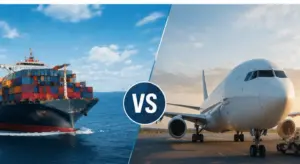
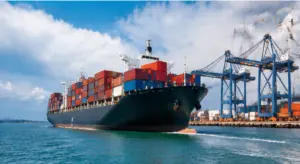
Ocean Freight | Earlier peak-season tightening | Tighter sailing, flexible windows and increased blank sailings. | Retailers booking early to position inventory for high U.S. demand. |
Why Partner with ENorth Logistics for Your Enterprise Freight?
Managing an optimized supply chain in a highly volatile market requires a logistics partner with deep asset resources and complete compliance backing. ENorth Logistics provides top-tier transportation management solutions across Canada and the United States, keeping your open-deck operations seamless. We remove the operational burden from your staff by deploying advanced AI route software, monitoring fuel surcharges, and executing strict carrier safety vetting before a truck ever hits your dock.
To protect your enterprise from rising legal exposures and border friction, our team maintains audited operating credentials across every North American jurisdiction:
- Active USDOT Registration: Authorized for legal interstate commerce across all U.S. highways.
- Valid MC Authority: Full commercial licensing to coordinate cross-border international freight.
- Ontario CVOR License: Active Commercial Vehicle Operator’s Registration for safe Canadian transits.
- Complete IFTA Compliance: Audited fuel tax reporting safety across all state and provincial lines.
Partnering with ENorth Logistics means choosing a professional team dedicated to your ongoing commercial success.
Conclusion
Protecting your shipping budget in 2026 requires moving away from reactive logistics habits. Staying profitable means you cannot rely on volatile spot markets or unverified carriers that expose your business to severe state-level negligence claims. Implementing automated routing tools and centralizing your transport data will keep your operations highly efficient.
You can eliminate costly operational blind spots by working with a certified logistics partner. The team at ENorth Logistics takes care of rigorous carrier safety vetting and real-time fuel surcharge tracking so you can focus entirely on your core business growth. Contact our transportation department today to run a lane performance audit and secure your contract rates before the next regional capacity squeeze hits the market.
Frequently Asked Questions
What is flatbed logistics optimization?
Flatbed logistics optimization is the practice of streamlining open-deck freight movements using advanced software and real-time data. It improves your overall fleet utilization by automating carrier tendering and planning better routes. This systematic approach lowers empty miles, protects margins, and secures trailer capacity during tight seasonal construction peaks across North American lanes.
How does AI route optimization lower transportation costs?
AI route optimization software lowers transportation costs by studying live road variables to calculate the most fuel-efficient transit path. The system dynamically monitors weather changes, construction disruptions, and dock delays across your networks. This responsive automation reduces vehicle engine idling time, maximizes driver utility, and shields your business from expensive spot market pricing spikes.
Why are flatbed route guide failures increasing this year?
Flatbed route guide failures are rising because rapid data center expansion and infrastructure projects have thinned available open-deck trailer supply. Tight compliance enforcement has also driven smaller carrier fleets out of business. This structural capacity shortage forces primary carriers to reject low contract tenders, pushing unassigned cargo into the volatile spot market.
How do state legal rulings change carrier selection workflows?
Recent state-level legal decisions allow injury lawsuits against logistics brokers and shippers if a contracted truck experiences a highway accident. This structural shift increases your direct liability exposure. Consequently, businesses must use advanced telematics data and strict carrier vetting steps to prove they exercise reasonable care during selection.