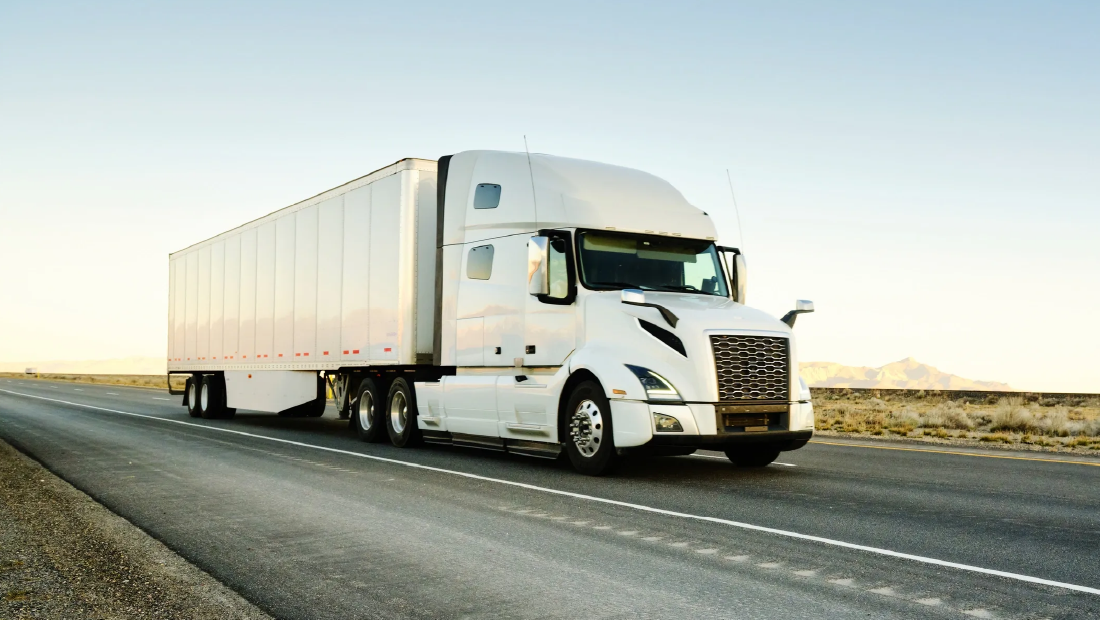
Moving commercial merchandise across industrial supply chains requires a thorough understanding of the over-the-road freight market. Many enterprise logistics coordinators struggle with sudden transport delays and inflating billing adjustments because they manage their delivery networks reactively. Sourcing reliable shipping capacity has become a primary operational focus for modern retail and manufacturing brands. When an infrastructure link breaks, your company faces immediate product inventory shortfalls and damaged retail partnerships.
Overland truck transport forms the structural foundation of the North American trade network. Securing steady lane performance demands a tight mix of advanced data analytics and disciplined fleet selection practices. At ENorth Logistics, we look at shipping channels through a practical, data-driven framework. This thorough guide evaluates the primary transportation modes and market variables to help you achieve long-term logistics efficiency.
The Core Industry Segments Defining Modern Ground Freight Carriers
Managing your enterprise shipping requirements requires a clear knowledge of the different transport entities moving cargo across the continent. Shippers can procure capacity through distinct channels depending on their asset needs and budget limits. Each segment plays a unique role in balancing supply and demand across national highway corridors.
Understanding Asset-Based Ground Freight Carriers
Asset-based ground freight carriers are asset-heavy trucking companies that directly own their vehicles and trailers. These private fleets hire corporate drivers, maintain mechanical repair garages, and manage regional cross-dock terminals. Shippers choose asset-based companies when they require absolute control over high-volume lanes.
Working directly with fleet owners gives you access to predictable contract pricing and guaranteed tractor availability. These large carriers provide standard dry van transport alongside specialized flatbed operations to support heavy industrial distribution.
The Role of Non-Asset Freight Brokerage Services
Non-asset intermediaries do not purchase physical trucks or lease terminal real estate. Instead, freight brokerage services utilize digital procurement platforms to connect your cargo with a verified network of small independent fleets. These third-party logistics (3PL) providers deliver immense capacity flexibility, which is incredibly useful when handling unexpected spot freight volume spikes.
Partnering with an experienced broker lets you source specialized equipment layouts without signing long-term equipment contracts. This flexible network structure scales up rapidly during peak construction quarters or holiday inventory rushes.
Engineering Growth with Supply Chain Optimization Analytics
Succeeding in a competitive corporate marketplace demands a systematic focus on freight planning consulting. Supply chain optimization uses advanced data tools to audit historical lane metrics, facility dwell patterns, and pricing variations.
Consultants build specialized transportation plans to streamline your carrier routing systems and eliminate empty highway miles. Fixing these hidden administrative bottlenecks lowers your final landed costs while keeping your daily fulfillment paths predictable.
Evaluating the Primary Types of Ground Freight Services
Selecting the best vehicle configuration for your product packaging drops your transportation spending significantly. Shippers can customize their overland shipping runs to match specific box dimensions and shelf-life requirements. Let us evaluate how standard transportation formats perform under everyday warehouse demands.
Less-Than-Truckload Shipping for Balanced Load Logistics
Less-Than-Truckload (LTL) shipping accommodates smaller cargo sizes that do not require an exclusive 53-foot trailer. Shippers typically utilize this cost-effective method when moving one to twelve standard pallets. Your freight is consolidated inside a single truck along with payloads from multiple corporate accounts.
Because you share the transport vehicle, you only pay for the exact physical floor space your cartons occupy. This pooling approach lowers your minimum baseline expenses on regional runs, though you must factor in extra transit days for terminal sorting steps.
Full Truckload Solutions for Direct Warehouse Sourcing
Full Truckload (FTL) shipping gives your company exclusive access to an entire enclosed trailer for a single dedicated run. This method is the primary choice for high-volume manufacturers who must move massive retail shipments quickly.
Because the tractor skips intermediate sorting terminals, your ground cargo delivery moves along a direct point-to-point path. FTL transits reduce product handling steps at cross-dock facilities, lowering the risk of cargo damage or warehouse theft.
Specialized Reefer and Flatbed Freight Equipment Classes
Perishable commodities and oversized industrial assets require specialized transport units to ensure roadside compliance. Review these unique ground options to handle sensitive product configurations safely:
- Refrigerated and Heated (Reefer): These trailers incorporate active climate-control units to keep pharmaceuticals, fresh seafood, and produce at exact temperature settings to prevent early spoilage.
- Flatbed and Specialized: These open-deck platforms lack permanent walls or ceilings, allowing cranes to load heavy industrial equipment from any angle. Operators use step decks and double drops to carry over-height machinery legally.
Expedited Transits for Urgent Cargo Delivery
When your supply chain faces emergency assembly line shutdowns or high-value inventory shortages, standard transit times will not suffice. Expedited services focus entirely on time-critical shipments where speed is your highest priority.
Carriers deploy team drivers who take turns behind the wheel to keep the truck moving continuously without overnight rest stops. This premium option ensures your urgent cargo delivery arrives on schedule, bypassing standard regional sorting networks entirely.
Strategic Logistics Optimization for Maximum Supply Chain Resiliency
Lowering your total transportation overhead requires implementing disciplined data habits and utilizing modern management software. Shippers who accept standard spot rates without auditing their carrier metrics face frequent budget inflation.
Using data-driven strategies at your warehouse loading bay eliminates structural waste and improves your carrier reliability scores. Let us look at the best methods to protect your corporate profit margins.
Multi-Client Multimodal Consolidation Frameworks
Shipping separate partial loads across the country is an expensive habit that drains valuable corporate capital. Leading freight managers use multimodal consolidation to combine several small LTL orders into unified partial truckloads.
They also evaluate intermodal rail alternatives for long-distance linehaul runs to avoid long-distance highway expenses. Combining your freight footprint maximizes trailer space utilization, which drops your total transport costs.
Technological Carrier Sourcing and Rigorous Vetting Protocols
Finding the best ground freight carrier requires checking for active safety performance scores and nearby equipment positions. Modern logistics platforms use advanced software to track driver availability and proximity live.
This technological vetting eliminates empty miles by matching your cargo targets with trucks that are already clearing out near your facility. Checking carrier credentials digitally protects your inventory from fraudulent operators on the open road.
Automated Transportation Management Systems for Exception Monitoring
Relying on manual phone calls and paper bills of lading slows down your office staff significantly. Implementing a cloud-based Transportation Management System (TMS) automates quoting, carrier tendering, and GPS status updates.
Note: Automated software allows your team to manage by exception. The platform automatically flags delayed trucks or missing customs paperwork, letting your staff fix bottlenecks before they disrupt your customers.
Cross-Border Compliance and Customs Manifest Coordination
Moving freight across the Canada, United States, and Mexico border introduces complex customs rules and paperwork requirements. Shippers must work closely with experienced customs brokers to prevent expensive gate delays at international crossings.
Advanced logistics providers prepare electronic manifests and prior notices before the truck ever reaches the gate. This digital coordination ensures seamless cross-border transits, shielding your supply chain from costly border enforcement friction.
Top Regional Fleet Sourcing Options in the North American Market
Selecting the right transport partner requires comparing the operational networks of established fleet owners. Shippers can evaluate several prominent asset-based operators near their major manufacturing centers.
Prominent Canadian and Interstate Asset Operators
Each transport company maintains unique regional coverage strengths and trailer equipment specialties. Review this scannable reference table to see how top regional operators structure their ground services:
Ground Freight Carrier Name | Primary Fleet Coverage | Specialized Equipment Focus | Core Supply Chain Advantage |
Manitoulin Transport | Extensive cross-border and nationwide coverage | FTL, LTL, and expedited networks | Guaranteed transit times for time-critical industrial goods |
Midland Transport | Across Canada and the United States corridors | Temperature-controlled reefer trailers | Secure climate zones for seafood and pharmaceuticals |
Armour Transportation | Links Atlantic Canada with Ontario and Quebec | Comprehensive truckload and courier assets | Strong regional hub access along eastern shipping lanes |
ENorth Logistics | Complete Canada and U.S. network integration | Digital TMS API connections and flatbeds | Absolute regulatory safety backing and real-time visibility |
Managing the 2026 Regulatory Environment and Market Realities
External legal movements and energy market shifts continue to rewrite corporate transportation budgets this year. Logistics managers must adjust their sourcing playbooks to comply with updated judicial precedents and capacity fluctuations.
The Legal Shift in Freight Broker and Shipper Negligence Liability
A major regulatory shift has altered the legal landscape for North American logistics coordinators. A significant landmark U.S. Supreme Court ruling in Montgomery v. Caribe Transport clarified a critical legal issue regarding third-party truck accidents. The Court ruled 9-0 that federal laws do not preempt freight brokers from being sued in state courts when a trucking accident occurs, allowing negligence lawsuits to proceed. The legal precedent also suggests that primary shippers can be held legally responsible under state law if an unsafe carrier hauling their freight causes an accident.
Info: This legal shift moves the industry away from a uniform federal framework toward a fragmented system where liability standards vary by state. Shippers now face increased litigation exposure tied directly to how they select and vet their trucking companies.
This ruling places a heavy emphasis on strong, well-documented carrier vetting practices. Shippers can no longer blindly hire the cheapest truck on a digital spot board without checking its active safety ratings. To minimize your corporate legal risk, your procurement team must verify carrier insurance limits and track active safety compliance records continuously.
Mitigating Rising Fuel Surcharges and Capacity Constraints
Energy prices across the continent remain elevated and highly volatile, which sustains intense upward pressure on your freight rates. According to the C.H. Robinson Edge Report, on-highway diesel prices hovered near historic record highs of $5.52 to $5.60 per gallon recently. These elevated fuel indexes hit budgets quickly because carriers automatically scale up their contract fuel surcharges to offset their higher operating costs.
Furthermore, modern truckload markets continue to face tight capacity constraints and worsening route guide depth across dry van and flatbed segments. Flatbed capacity is exceptionally constrained, leading to high tender rejections along seasonal building corridors. LTL networks are also seeing volume spillover as shippers try to escape high full truckload costs.
Building strategic with a technology-driven carrier is the most effective way to counter these micro capacity crunches. Consistent shippers who offer clean documentation and predictable loading times are prioritized by top fleets during tight capacity waves.
Conclusion
Succeeding in a highly volatile transportation marketplace requires an organized approach to managing your ground freight carriers. Transitioning away from unmanaged spot-market transactions toward structured contract agreements protects your corporate budget from unexpected rate hikes. By implementing precise pallet weight verification and utilizing advanced multi-carrier tracking software, you can eliminate expensive admin penalties while keeping your client deliveries perfectly on time.
The dedicated transport logistics specialists at ENorth Logistics are ready to build a more resilient distribution framework for your business. Our enterprise maintains active USDOT registrations, valid MC authorities, and active Ontario CVOR licenses to ensure total regulatory compliance across all North American borders. We handle the complex details of route optimization and carrier safety auditing so your staff can focus entirely on core commercial growth. Reach out to our customer support center today to execute a thorough lane performance audit, secure competitive volume contract pricing, and request an accurate quote for your next cargo run.
Frequently Asked Questions About Ground Freight Carriers
What is the core definition of ground freight carriers?
Ground freight carriers are asset-based transportation companies that own and operate trucking fleets to haul commercial cargo over land. These companies provide Full Truckload and Less-Than-Truckload services across regional and cross-border shipping lanes. They provide the physical infrastructure needed to move retail products, raw commodities, and heavy machinery between distribution terminals.
How do freight brokerage services add value to a supply chain?
Freight brokerage services add value by acting as non-asset intermediaries that connect shippers with a verified network of independent trucking fleets. They provide immediate capacity flexibility, which helps businesses secure equipment during sudden volume spikes without signing long-term asset leases. Brokers help optimize shipping cost-efficiency by matching specialized cargo with empty trucks.
Why does the Montgomery v. Caribe Transport ruling change carrier selection?
The Montgomery v. Caribe Transport ruling changes selection because it allows state-level negligence lawsuits against brokers and shippers when a trucking accident occurs. This landmark decision eliminates previous federal preemption protections. Consequently, companies must use rigorous, well-documented vetting protocols to ensure they only hire highly compliant carriers with pristine safety records.
How can automated route optimization improve my logistics efficiency?
Automated route optimization improves logistics efficiency by using advanced software to calculate the fastest, most fuel-efficient highway path for your cargo. The system analyzes live construction updates, weather disruptions, and dock waiting patterns to alter routes dynamically. This automation eliminates empty miles, reduces vehicle driver detention times, and lowers your total contract fuel expenses.