Moving industrial merchandise across long distances requires an organized distribution strategy. Standard logistics methods often cause business friction when handling oversized cargo or tight retail delivery windows. Shippers frequently discover that general economic movements can alter trucking availability much faster than expected. Gaining a clear understanding of current marketplace trends keeps your distribution lines reliable and fully predictable.
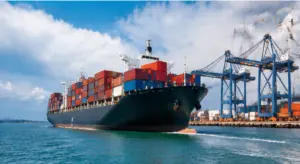
Overland truck networks and regional rail lines form the structural foundation of the North American trade network. Managing these logistics channels demands a tight mix of advanced data analytics and disciplined fleet selection practices. At ENorth Logistics, we view moving commercial cargo through an organized, technology-driven framework. This authority guide will clarify the primary transportation options and network configurations to help you optimize your ground freight industry logistics program.
The Blueprint of Ground Freight Industry Logistics
Moving commercial cargo safely across national highway networks requires choosing the right vehicle class for your payload sizes. Shippers must analyze the physical volume and weight of their pallets before booking an over-the-road carrier fleet. Using an inappropriate transport method can waste trailer space and increase your baseline administrative costs. Let us evaluate how standard transportation modalities and physical fleet assets perform under everyday supply chain pressures.
Evaluating Core Shipping Modalities: FTL, LTL, and Intermodal
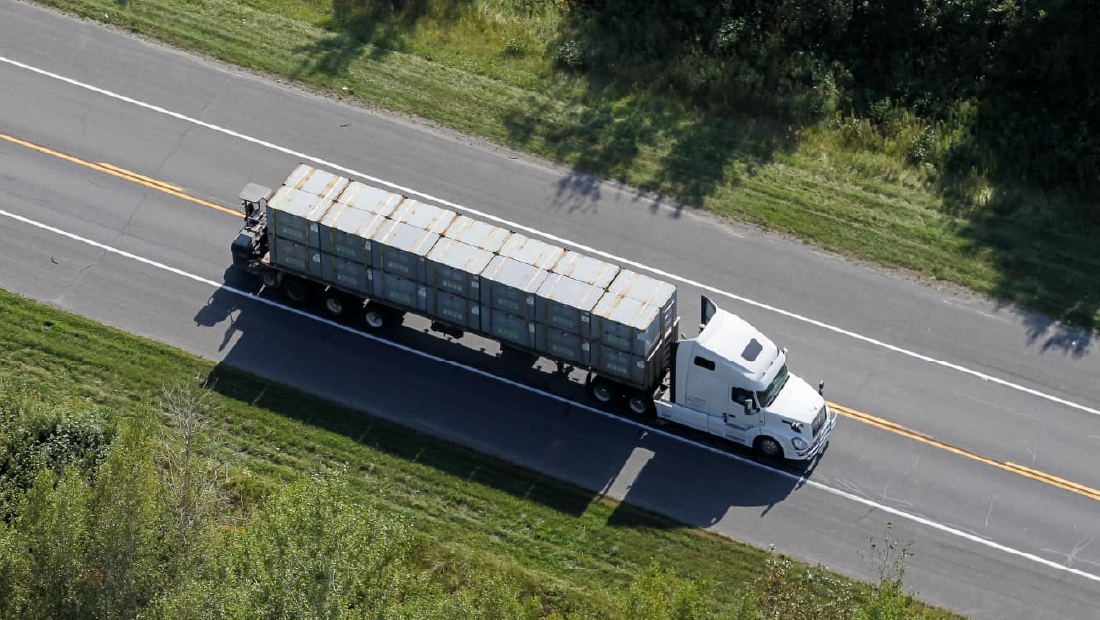
The selection of your transport method directly shapes your delivery speeds and shipping cost-efficiency. Full Truckload (FTL) shipping provides exclusive use of an entire 53-foot trailer for a single dedicated run. This method is the ideal path for large shipments that can fill a truck completely, providing fast transit because the driver moves straight from your warehouse to the destination.
Conversely, Less-Than-Truckload (LTL) shipping accommodates smaller cargo sizes up to 15,000 pounds. Multiple clients share the trailer space, allowing you to pay only for the floor area your goods occupy. Additionally, intermodal transport combines highway trucks with regional rail networks to move freight efficiently over long distances. Shippers frequently utilize intermodal rail runs to protect their budgets when highway fuel costs climb rapidly.
Specialized Fleet Equipment for Targeted Cargo Protection
Securing specialized cargo requires matching your product architecture with a specific vehicle design. Standard enclosed trailers work well for normal retail boxes, but unique commodities demand custom mechanical tools:
- Dry Vans: Fully enclosed, standard trailers built to protect weather-sensitive, palletized goods from rain and road debris.
- Reefers: Temperature-controlled trailers designed for perishable items, ensuring strict compliance with cold chain safety rules.
- Flatbeds: Open trailers without permanent walls or roofs, used for oversized machinery and construction materials.
- Heavy-Lift Trailers: Specialized multi-axle trailers built to carry overweight industrial assets legally using specific route permits.
How Primary Industry Segments Shape Sourcing Needs
Different sectors of the economy experience unique material flow challenges that require specific logistics answers. A generic transport plan cannot satisfy the speed needs of online storefronts or the heavy weight demands of raw industrial factories.
Retail Supply Chain Management and Seasonal Agility
Modern store chains require high operational agility to keep up with changing consumer demands and sudden seasonal shopping waves. Shippers must balance their weekly inventory flows to avoid empty store shelves without overpaying for empty space inside long-distance trucks. Retailers rely heavily on a combination of LTL and parcel shipping to manage small, frequent shipments efficiently. This steady replenishment strategy keeps store inventories balanced without bloating warehouse holding overhead.
E-Commerce Distribution and Last-Mile Delivery Constraints
Online shopping platforms dominate the modern last-mile delivery sector, where speed and predictive planning are the top priorities. E-commerce distribution hubs must be positioned close to major metropolitan areas to satisfy next-day or same-day delivery expectations. Managing these parcel streams requires a tight focus on avoiding residential and remote-area surcharges. Shippers must deploy advanced routing platforms to group local packages tightly, reducing your final delivery costs across urban lanes.
Manufacturing Synchronization and Fleet Management Requirements
Industrial production lines demand steady stability and highly synchronized supply chain management workflows to keep operations running. A delay in receiving a single sub-assembly can stall entire factory crews and lead to massive financial losses. Manufacturers rely on a blend of FTL and intermodal services to transport heavy industrial machinery and parts consistently between separate assembly plants. Effective fleet management tools help dispatchers monitor raw materials live, ensuring factory components arrive exactly when the production floor needs them.
Cross-Border Logistics and Complex Customs Clearance Standards
Hauling freight across international boundaries introduces intense regulatory oversight and complex legal paperwork. Shippers must prepare their border arrivals carefully to keep their transport trucks moving through port terminals without delays.
Managing Customs Documentation and the Bill of Lading
Moving specialized commercial cargo across the United States, Canada, and Mexico requires an experienced freight forwarding strategy. Shippers must provide absolute data accuracy on every form, including the commercial invoice and the formal Bill of Lading (BOL). The BOL acts as the official legal contract between the shipper and the carrier, detailing the exact weight and item count of the payload. Missing even a single digital document can cause border authorities to seize your truck, leading to severe terminal delays.
Evolving Trade Policies and Tariff Risks in 2026
International shipping lanes face increased trade policy uncertainty due to updated regulatory actions. For example, formal sessions are scheduled to iron out regional differences during the six-year review of the U.S.-Mexico-Canada Agreement (USMCA). Shippers must also track new Section 301 tariffs proposed to strengthen forced-labor enforcement.
These updated trade policies use a multi-tier duty system that impacts cargo flows depending on the country of origin. Partnering with a skilled customs clearance broker helps your company pre-clear items and avoid expensive detention fees.
Market Vulnerabilities and Critical Logistics Challenges in 2026
The modern highway market operates under heavy pricing pressures and tight capacity restrictions. Shippers must track macro transport metrics to insulate their distribution budgets from sudden roadside shocks.
Tracking Volatile Diesel Fuel Costs and Surcharge Pressures
Energy market inflation represents a major challenge for North American shipping networks. During the spring of 2026, the USA on-highway diesel price averaged a high level of $5.401 per gallon, creating mixed regional trends. These elevated diesel costs place continuous upward pressure on standard freight costs across all transport corridors. Carriers automatically increase their variable fuel surcharges to cover these pump expenses, making accessorial costs a large portion of your base shipping bill.
Note: Route guide depth metrics have worsened across North America, averaging a challenging 1.48 reading due to tightening capacity. Long hauls over 600 miles are experiencing the worst route guide failures as carriers reject underpriced contract freight.
The Supreme Court Ruling on Carrier Selection and Broker Negligence
Corporate legal risks have expanded significantly due to a recent judicial precedent. A significant U.S. Supreme Court ruling in Montgomery v. Caribe Transport clarified a major legal issue regarding vehicle accidents. The Court ruled that federal law does not preempt freight brokers from being sued in state courts, allowing state-level negligence claims to proceed. Shippers may also face state-level liability for carrier selection if they hire an unsafe fleet that causes a highway collision.
Info: This legal shift replaces a uniform federal framework with a fragmented system where liability standards vary by state. Companies must deploy strict vetting protocols to verify carrier safety ratings and manage their legal risks.
Strategic Optimization Best Practices for Enterprise Shippers
Lowering your total logistics expenses requires moving away from reactive spot market habits. Shippers can restructure their operations using modern software and outsourced service configurations.
Scannable Strategy Guide – Comparing Logistics Operational Models
Selecting the best logistics model depends on the total size of your company and the complexity of your supply chain. Let us compare the three primary industry logistics models:
- 1PL (First-Party Logistics): Your manufacturing company handles the shipping and carrier management internally using its own warehouse staff and private trucks.
- 2PL (Second-Party Logistics): Your business hires a basic standalone transport provider, such as a local asset-based trucking company, to move cargo along fixed routes.
- 3PL (Third-Party Logistics): Your enterprise outsources its entire supply chain management and carrier relations to an external logistics specialist like ENorth Logistics.
Outsourcing to a professional 3PL yields predictive analytics and real-time visibility through an integrated Warehouse Management System (WMS). Our automated platforms analyze your shipping patterns to build consolidation pools and execute smart route optimization. This technical oversight lowers your mileage expenses while keeping your fleet operations completely resilient against market disruptions.
Conclusion
Succeeding in a highly volatile transportation marketplace requires an organized approach to managing your ground freight industry logistics milestones. Transitioning away from unmanaged spot-market transactions toward structured contract agreements protects your corporate budget from unexpected rate spikes. By implementing precise pallet weight verification and utilizing advanced multi-carrier tracking software, you can eliminate expensive admin penalties while keeping your client deliveries perfectly on time.
The dedicated transport logistics specialists at ENorth Logistics are ready to build a more resilient distribution framework for your business. Our enterprise maintains active USDOT registrations, valid MC authorities, and active Ontario CVOR licenses to ensure total regulatory compliance across all North American borders. We handle the complex details of route optimization and carrier safety auditing so your staff can focus entirely on core commercial growth. Reach out to our customer support center today to execute a thorough lane performance audit, secure competitive volume contract pricing, and request an accurate quote for your next cargo run.
Frequently Asked Questions
What is the primary focus of ground freight industry logistics?
Ground freight industry logistics focuses on moving commercial cargo safely over land using trucks, rail, and intermodal networks. This specialized sector connects manufacturing plants to distribution hubs, helping businesses coordinate FTL and LTL shipments. Managing these lanes using modern software reduces transit delays and lowers your final delivery costs across North America.
How does a Transportation Management System optimize over-the-road shipping?
A Transportation Management System optimizes over-the-road shipping by automating carrier selection, live quoting, and GPS tracking. The platform utilizes advanced route optimization to calculate the most efficient highway paths. This automation eliminates empty miles, handles transit disruptions, and cuts down on expensive contract fuel surcharges during busy quarters.
Why is an accurate Bill of Lading critical for cross-border logistics?
An accurate Bill of Lading is critical because it serves as the official legal contract between the shipper and the carrier. This document outlines exact cargo weights, item counts, and handling requirements. Providing flawless documentation ensures smooth customs clearance and prevents international border authorities from issuing expensive terminal detention penalties.
What did the Supreme Court rule regarding carrier selection negligence?
The Supreme Court ruled that federal laws do not protect freight brokers from negligence lawsuits in state courts following trucking accidents. The precedent suggests shippers can also face state-level liability. This change forces companies to use strict vetting protocols to verify carrier safety ratings.