Managing a business budget can be very difficult when transportation costs keep rising every year. Finding an affordable way to move smaller cargo shipments is essential for survival in the current market. Fortunately, utilizing modern less than truckload services offers the perfect solution for growing companies.
Understanding the basic LTL meaning helps you ship your goods without paying for an entire commercial trailer. This shipping method allows multiple businesses to share space on a single vehicle, which lowers your everyday overhead costs.
This complete 2026 guide will teach you exactly how freight consolidation helps streamline your logistics network. We will look closely at how a modern hub-and-spoke network keeps cargo moving smoothly between regional terminals. You will also learn about important pricing factors like freight class and volumetric weight calculations. Partnering with the right transport team protects your profits. Let us look at how these flexible shipping solutions can improve your supply chain efficiency today.
Understanding Less Than Truckload Services and LTL Meaning
Janitorial companies and commercial freight providers use specific terms to categorize different cargo sizes. Understanding how these shipping networks operate makes it much easier to plan your inventory moves without spending too much money.
What is the LTL Full Form and Core Concept?
The LTL full form stands for Less Than Truckload in the transportation industry. This commercial shipping option is designed specifically for smaller businesses that do not have enough cargo to fill an entire semi-trailer. It focuses on smaller freight loads that weigh between 150 pounds and 15,000 pounds. This provides a fast alternative for businesses that do not want to wait weeks to compile a massive shipment.
Typically, these shipments consist of one to six standard wooden pallets. If your cargo fits easily within these size limits, booking a full truck is a massive waste of your corporate capital.
Shared Truck Shipping vs. Full Truckloads
Using shared truck shipping completely changes how companies handle their everyday logistics. Instead of renting an entire truck, your business shares the trailer floor space with several other companies at the same time.
This shared model provides distinct benefits for your regular budget structure:
- Space Savings: You only pay for the exact physical space your pallets occupy.
- Flexible Volumes: You can send small orders frequently instead of waiting for a large load to pile up.
- Reduced Warehouse Costs: It helps you keep inventory moving instead of storing it for a long time.
This smart setup makes smaller operations highly competitive against giant global corporations. It ensures your corporate supply chain stays completely agile under tough market pressures. Many transport providers rely on this system to maximize their asset utilization throughout the year.
How Freight Consolidation and the Hub-and-Spoke Network Work
Moving shared cargo across North America requires an incredibly organized distribution plan. LTL shipping does not just go in a straight line from one dock to another. Instead, it relies on an interconnected series of regional terminals to move freight efficiently.
Local Freight Pickup and Sorting
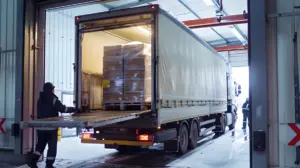
The process begins when a local delivery truck arrives at your loading dock. The driver collects your wrapped pallets and takes them directly to a local shipping terminal. At this initial sorting facility, warehouse workers organize all incoming shipments based on their final geographic destination. This initial sorting ensures your cargo is properly grouped before starting its journey across the country. It reduces the risk of items getting lost during transit.
Main Linehaul Operations and Transfers
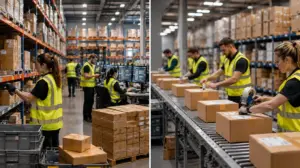
Next, your cargo undergoes active freight consolidation inside the regional terminal. Workers combine your pallets into a much larger trailer alongside goods from other companies heading in the same direction. This consolidated trailer then moves through a highly efficient hub-and-spoke network.
Instead of driving directly to the final address, the truck travels between major regional distribution centers. This centralized system allows carriers to maximize their trailer space and improve their overall warehousing distribution workflows across North America:
- Terminal Sorting: Freight is continuously organized at regional hubs.
- Efficient Transfers: Pallets switch trucks seamlessly to stay on the fastest path.
- Constant Movement: Linehaul operations keep trucks moving day and night.
Destination Sorting and Final Delivery
Once the long distance trip is complete, the truck arrives at the destination terminal nearest to your buyer. Workers unload the trailer and sort the individual shipments one last time. Your pallets are transferred onto a small local delivery truck. This local driver navigates neighborhood streets to drop off the cargo safely at the client’s loading dock. Every package is carefully tracked from start to finish to ensure total transparency.
This multi-step process keeps shipping costs low while providing reliable results for your regular corporate clients. Using this structured shipping model provides absolute peace of mind for modern business managers.
Key Benefits of Choosing Less Than Truckload Services
Sharing commercial trailer space offers massive operational advantages for your everyday business supply chain. Utilizing these flexible logistics options helps your company adapt quickly to shifting retail market demands while protecting your overall corporate revenue.
Slashing Your Logistics Overhead Costs
Booking an entire shipping trailer for just a few small cargo pallets is highly expensive for growing businesses. Shared transport networks solve this issue by dividing total highway travel costs, expensive diesel fuel, and driver labor bills among several different shippers at once. Working with a reliable provider like ENorth Logistics ensures you only pay for your exact cargo footprint inside the vehicle. This smart budget control dramatically cuts down your monthly freight overhead expenses and keeps your business highly profitable.
Access to Specialized Carrier Services
Standard freight shipments often require unique handling equipment during final customer drop offs. LTL networks give shippers easy access to valuable specialized tools that standard delivery trucks do not carry.
These value added features make corporate deliveries highly convenient:
- Liftgate Delivery: Lowers heavy cargo pallets safely down to street level when a commercial building has no loading dock.
- Inside Delivery: Moving wrapped goods directly into a customer warehouse or retail storage area.
- Appointment Scheduling: Booking precise drop off windows to avoid expensive warehouse detention delays.
Lowering Carbon Emissions and Improving Sustainability
Consolidating small shipments helps protect the surrounding environment from unnecessary pollution. Packing multiple corporate loads into a single commercial truck maximizes total trailer capacity and removes extra delivery vehicles from busy public highways. This eco-friendly shipping setup drastically lowers greenhouse gas emissions and cuts national fuel waste. Shippers can easily hit their green environmental sustainability goals while simultaneously saving a lot of money on their regular shipping lanes.
Key Pricing and Packaging Factors for Shippers
Carriers look at specific physical measurements to determine your final shipping bill every day. Providing highly accurate cargo data to your transport team prevents unexpected auditing fees and keeps your inventory moving along the highway without any sudden logistics delays.
Understanding Freight Class Metrics
LTL providers use an official classification system to rate your cargo fairly. All commodities are organized into eighteen distinct categories ranging from Class 50 up to Class 700. This specific system is based entirely on product density, item value, liability risk, and overall ease of handling.
Denser items like heavy steel bolts or auto parts are categorized into a lower class, making them much cheaper to transport. Fragile or low density items like large ping pong balls are placed into a high class, which drives up your baseline rate. ENorth Logistics can help your office evaluate your cargo categories accurately to avoid extra warehouse inspection charges.
Calculating Volumetric Dimensional Weight
Carriers also evaluate your freight using volumetric measurements to ensure large, lightweight boxes do not take up entire trailers for free. Dimensional weight measures how much physical space a package occupies compared to its actual scale weight.
To help shippers calculate their exact size metrics before booking trailer space, transport networks rely on a standard industry formula:
Dimensional Weight = Length X Width X Height ÷ Dim Factor
If your calculated dimensional weight is higher than the actual scale weight of your pallet, the carrier will bill you based on the size footprint instead. Always check your total pallet dimensions carefully before scheduling your weekly pickups.
Mandatory Packaging Standards to Prevent Damage
Because LTL cargo is handled multiple times at different regional terminals, packing your individual items securely is absolutely mandatory. Shippers must protect their goods to survive frequent forklift transfers and bumpy linehaul highway journeys.
Following these simple packaging standards keeps your corporate inventory safe:
- Heavy Duty Pallets: Always stack your industrial boxes on sturdy wooden or plastic platforms.
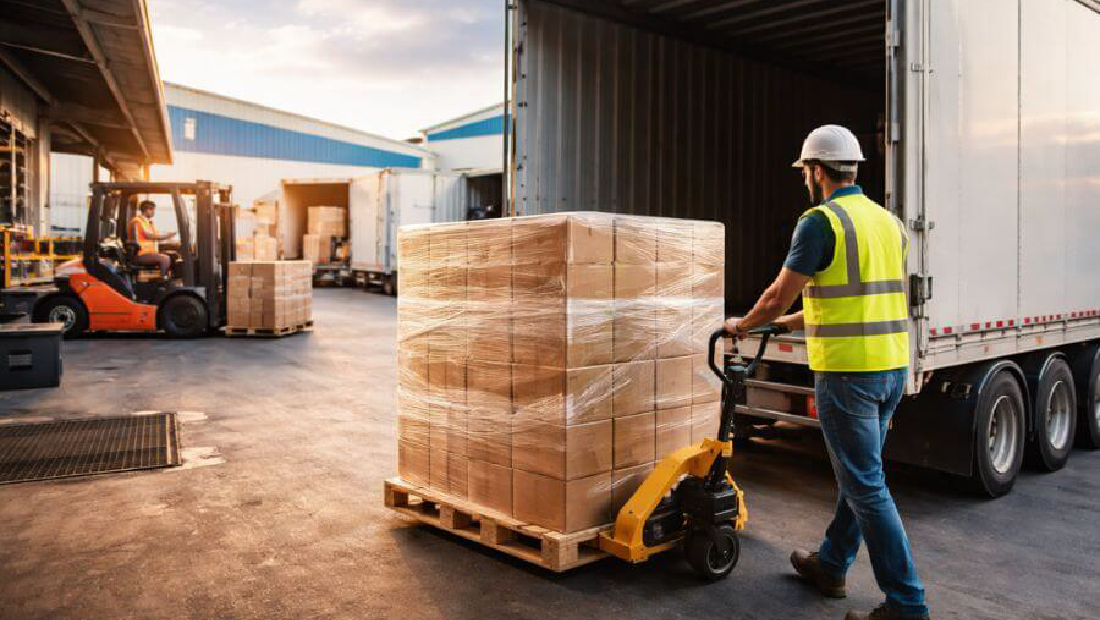
- Secure Shrink Wrapping: Wrap your pallets tightly with thick plastic film to stop boxes from shifting around during transit.
- Corner Protectors: Use heavy cardboard corner rails to prevent tight straps from crushing your retail product boxes.
Proper crating completely removes the risk of transit damage, ensuring your valuable business clients receive their cargo deliveries in perfect condition.
2026 Industry Outlook – Navigating Tight Capacity and Rising Rates
The modern freight market is experiencing major operational shifts that alter how companies manage their distribution networks. Staying updated on current transportation changes allows your brand to plan its shipping budget carefully.
Rising Costs and Shifting Truckload Demands
The 2026 shipping landscape faces severe constraints due to tight full truckload capacity, high carrier insurance premiums, and rising corporate driver wages. These combined financial challenges are pushing an increasing number of companies to shift their freight into LTL networks to secure space. Because of this massive surge in network demand, major carriers are implementing mid-single-digit rate increases of around 5 percent this year. Fleet operators must maintain extreme pricing discipline to balance their own rising overhead costs with everyday client demands.
Building a Steady Supply Chain Flow
To protect your daily operations from these rising prices, logistics experts recommend moving away from erratic, last minute shipping habits. LTL terminals run smoothest when cargo volumes remain highly predictable and steady week after week.
Shippers can protect their delivery networks by following a few strategic steps:
- Arrange Longer Lead Times: Book your trailers several days in advance to secure available capacity.
- Avoid Sudden Volume Spikes: Smooth out your freight schedules to prevent terminal backlogs.
- Partner with Experts: Work closely with a trusted partner like ENorth Logistics to navigate volatile markets safely.
Establishing a consistent operational flow protects your supply chain from sudden rate hikes and guarantees reliable service all year long.
ENorth Logistics – Your Trusted LTL Partner in 2026
Finding a reliable partner for cross-border shipping is crucial for your business growth. ENorth Logistics stands out as the premier provider of top-rated less than truckload services across both Canada and the USA. We handle your shipments safely, efficiently, and completely on schedule. Our team combines advanced logistics technology with hands-on coordination to optimize routes and provide real-time updates.
We maintain full compliance with all federal, state, and provincial transportation regulations to give you complete peace of mind.
Registration & Compliance Status
| Credential Type | Registration Status | Operational Coverage |
|---|---|---|
| USDOT & MC Authority | Registered & Active | Full interstate commerce across the USA |
| Canada CVOR | Registered & Active | Provincial compliance in Ontario and Canada |
| Tax Compliance | Fully Compliant | IRS EIN, CRA Business Number, and IFTA filing |
By partnering with a carefully vetted network of leading freight carriers, we ensure your consolidated cargo is always handled with absolute care.
Conclusion
Surviving in the complex freight market requires a smart mix of strategic planning and reliable logistics networks. Utilizing premium less than truckload services is an excellent way for growing businesses to maintain a resilient supply chain while operating on a strict budget. By mastering freight consolidation, checking dimensional weight formulas, and preparing early for tight capacity, you protect your corporate bottom line from unexpected delays.
ENorth Logistics is proud to be your trusted partner to streamline your cross-border operations and secure the best shipping rates for your cargo. Our dedicated support team builds long-term relationships by delivering responsive service, professional guidance, and customized logistics solutions that support your long-term success. Contact our compliance and customer support department today to explore our full range of modern transport solutions and request a custom quote for your business pallets.
Frequently Asked Questions
What does LTL stand for in logistics?
In logistics, the LTL full form stands for Less Than Truckload. This type of shipping service consolidates small cargo pallets from multiple businesses onto a single truck trailer. It is highly cost-effective because you only pay for the exact physical space your freight occupies during transit.
How does a hub-and-spoke network function in freight shipping?
A hub-and-spoke network functions by moving cargo through centralized distribution centers rather than in a direct line. Local trucks collect individual shipments and bring them to regional terminals. Freight is then consolidated into larger trailers for long-distance linehaul operations before final local delivery.
Why should businesses choose ENorth Logistics for less than truckload services?
Businesses choose ENorth Logistics for less than truckload services because we provide reliable, technology-driven cross-border transport. We maintain active USDOT, MC, and Canada CVOR licenses. This guarantees full legal compliance, transparent real-time tracking, and exceptional warehousing distribution support throughout Canada and the USA.
What causes unexpected accessorial fees in less than truckload services?
Unexpected accessorial fees in less than truckload services occur when shippers provide inaccurate measurements or require extra equipment. Common causes include miscalculating the freight class, incorrect dimensional weights, or requesting specialized services like liftgate delivery or residential drop-offs without notifying the carrier beforehand.