You are constantly balancing cost, speed, and reliability when shipping goods. Choosing the wrong freight method does not just affect delivery timelines. It impacts inventory flow, customer satisfaction, and overall operational efficiency. Many businesses struggle because they select shipping methods based only on cost without understanding how each model actually works in real operations. Learning about LTL freight services can help businesses build a more efficient shipping strategy.
In 2026, supply chains are more demanding. Customers expect faster delivery and fewer errors. At the same time, fuel costs, cross border delays, and capacity constraints continue to affect logistics decisions. You cannot afford inefficiency in your shipping strategy. Understanding the difference between Full Truckload, Less Than Truckload, and Partial Truckload shipping is essential if you want to control costs without sacrificing performance.
Understanding the Core Difference Between FTL, LTL, and PTL
You need clarity before making decisions. These three shipping methods are built around how space inside a truck is used and how shipments are handled during transit. To better understand these differences, businesses can explore LTL vs FTL vs PTL shipping guide before selecting a transportation model.
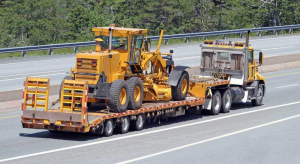
Full Truckload means your shipment uses the entire trailer. There are no other goods sharing that space. Less Than Truckload means your goods share space with multiple shipments from different businesses. Partial Truckload sits in between. It involves larger shipments than LTL but does not require a full trailer.
The difference may sound simple, but the operational impact is significant. Each method affects how often your goods are handled, how long they stay in transit, and how predictable your delivery timeline will be.
FTL uses full trailer capacity for one shipment
LTL combines multiple shipments in one truck
PTL shares space but with fewer stops than LTL
Handling frequency varies across all three methods
Understanding these differences helps you match the shipping method to your business needs instead of guessing.
When Full Truckload Shipping Becomes the Better Choice
You should choose Full Truckload when control and speed matter more than shared cost savings. FTL works best when you have large volume shipments or goods that require minimal handling. Businesses comparing these options can review LTL vs FTL shipping to determine which solution best aligns with their operational requirements.
In real operations, every additional touchpoint increases risk. When shipments are loaded and unloaded multiple times, the chances of damage or delays increase. FTL removes that risk by keeping your goods in one truck from origin to destination.
You also gain scheduling flexibility. With FTL, your shipment does not depend on other deliveries. This means fewer delays caused by route changes or consolidation processes.
Direct delivery without intermediate stops
Reduced handling improves cargo safety
Faster transit times across long distances
Greater control over pickup and delivery schedules
Businesses dealing with high value goods, time sensitive shipments, or cross border deliveries often rely on FTL because it reduces uncertainty.
Where Less Than Truckload Shipping Creates Challenges
LTL is often chosen for cost savings, but it introduces complexity that many businesses underestimate. Since your shipment shares space with others, it goes through multiple terminals before reaching its destination.
Each terminal stop involves unloading, sorting, and reloading. This process increases transit time and handling frequency. For fragile or sensitive goods, this becomes a major concern.
Delays are also more common in LTL. If one shipment in the network is delayed, it can affect others. This makes delivery timelines less predictable.
Multiple handling points increase damage risk
Transit times are longer due to consolidation
Delivery schedules depend on network efficiency
Limited control over routing and timing
LTL works best for small shipments that are not time sensitive. However, if reliability is critical, it may not be the best option.
How Partial Truckload Offers a Middle Ground
Partial Truckload is designed for shipments that are too large for LTL but do not require a full trailer. It reduces some of the limitations of LTL while keeping costs lower than FTL.
With PTL, your shipment shares space with fewer loads. This reduces the number of stops and handling points. As a result, transit time improves compared to LTL.
You still do not get the full control of FTL, but the balance between cost and efficiency is often better for mid sized shipments.
Fewer stops compared to LTL
Lower cost than full truckload
Reduced handling improves safety
Better transit time compared to shared networks
PTL is useful when your shipment volume sits between small and full loads. It provides flexibility without fully committing to FTL pricing.
Cost Comparison Across All Three Methods
Cost is often the deciding factor, but it should not be the only one. You need to consider total cost, not just the shipping rate. Companies trying to identify the most affordable option can compare which is cheaper for your shipment: LTL vs FTL before making transportation decisions.
FTL has a higher upfront cost, but it reduces risk and delays. LTL has lower initial pricing, but hidden costs can arise from damage, delays, or extended transit times. PTL offers a balance between the two.
For example, if a delayed shipment affects your inventory availability, the cost of lost sales can exceed the savings from choosing LTL. Similarly, damaged goods increase replacement costs and affect customer trust.
FTL offers stability with higher upfront cost
LTL reduces cost but increases risk exposure
PTL balances cost and performance
Total cost includes delays and damage impact
You should evaluate cost based on long term impact rather than immediate savings.
Transit Time and Delivery Reliability Differences
Speed and reliability vary significantly between these methods. FTL offers the fastest delivery because it moves directly from pickup to destination.
LTL takes longer due to multiple stops and consolidation processes. PTL sits in between, offering improved speed compared to LTL but not as fast as FTL.
Reliability follows the same pattern. FTL is the most predictable because it has fewer variables. LTL is the least predictable due to network dependency.
FTL provides fastest and most reliable delivery
LTL has longer and variable transit times
PTL offers moderate speed and reliability
Fewer stops improve consistency
If your business depends on strict delivery timelines, this difference becomes critical.
Risk and Damage Considerations
Handling is the main factor that affects cargo safety. In LTL, shipments are handled multiple times across terminals. Each handling point increases the chance of damage.
FTL minimizes this risk because goods are loaded once and unloaded once. PTL reduces handling compared to LTL but does not eliminate it completely.
For fragile goods, electronics, or high value items, reducing handling is essential. This is why many businesses shift to FTL despite higher cost.
More handling increases damage risk
FTL offers highest cargo protection
PTL reduces but does not eliminate handling
LTL has highest exposure to damage
Your product type should influence your shipping choice.
Choosing the Right Method Based on Your Business Needs
There is no single best option. The right method depends on your shipment size, urgency, and risk tolerance. Businesses operating across Canada can also review the LTL shipping Canada guide 2026 to better understand shipping networks, transit expectations, and cost considerations.
If you prioritize speed and safety, FTL is the best choice. If cost is your main concern and your shipment is small, LTL may work. If you need a balance, PTL provides a middle solution.
Your decision should align with your operational goals, not just your budget.
Use FTL for large or urgent shipments
Use LTL for small and flexible deliveries
Use PTL for medium sized loads
Match method with business priorities
ENorth Logistics helps businesses choose the right method based on real operational needs.
Make Smarter Shipping Decisions in 2026
You cannot afford to choose shipping methods based on guesswork. Each option affects your cost, delivery speed, and customer satisfaction. Understanding the difference between FTL, LTL, and PTL allows you to make decisions that support your business growth.
FTL gives you control and speed. LTL offers cost savings with trade offs. PTL provides balance. The key is choosing the right method for each shipment instead of using one approach for everything.
Work with ENorth Logistics to build a shipping strategy that improves efficiency, reduces risk, and supports your business in 2026.
FAQs
1. Can you switch between FTL, LTL, and PTL for different shipments
Yes, many businesses use a combination of all three. The choice depends on shipment size and urgency. Flexibility helps optimize cost and performance.
2. How do seasonal demand changes affect shipping choice
During peak seasons, capacity becomes limited. FTL may become harder to secure, and LTL delays may increase. Planning ahead is essential.
3. Is PTL available for all routes
PTL availability depends on carrier networks and demand. It is more common on high traffic routes. You should confirm availability before planning shipments.
4. What is the biggest mistake businesses make when choosing shipping methods
Focusing only on cost is the biggest mistake. Ignoring transit time and risk leads to higher long term expenses.
5. Why choose ENorth Logistics for freight services
ENorth Logistics provides tailored solutions based on your shipment needs. You get reliable service, better planning, and improved supply chain efficiency.