ENorth Logistics | Freight Mode Decision Guide
Every freight shipment involves a fundamental decision: move it by truck, move it by rail and truck combined, or find the right balance of both. Full truckload freight and intermodal freight each solve real shipping problems. The wrong choice costs you money or compromises your delivery commitments. The right choice depends entirely on your business type, freight profile, and timeline.
ENorth Logistics operates across both FTL and intermodal networks. This guide breaks down how each mode works, where each one wins, and which business types benefit most from each. You will walk away knowing exactly which mode fits your next shipment and why.
Not sure which freight mode fits your shipment? Speak with an ENorth Logistics freight specialist and get a recommendation in minutes.
Understanding FTL Freight: What It Is and How It Works
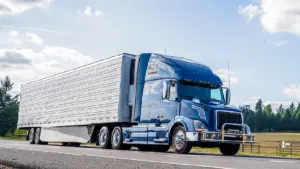
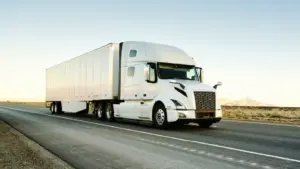
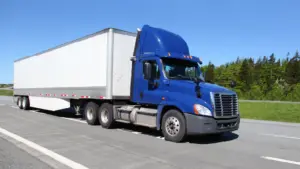
Full truckload freight means one shipper fills an entire trailer from pickup to delivery. The truck travels directly from your origin to your destination without stopping at distribution terminals. No other freight shares the trailer. That direct movement is what makes FTL the fastest and most secure ground freight option available.
ENorth Logistics FTL network covers dry van, flatbed, and refrigerated options across North America. You get a dedicated carrier assigned to your load. The driver moves your freight and nothing else until delivery is complete. That exclusivity translates to speed, accountability, and lower damage rates compared to shared freight options.
Core Characteristics of FTL Freight
• Dedicated trailer with no freight from other shippers
• Direct origin to destination routing with no terminal stops
• Fastest available transit times on all lanes
• Lower handling frequency means lower damage risk
• Real time GPS tracking from loading to delivery
Understanding Intermodal Freight: What It Is and How It Works
Intermodal freight uses a combination of transportation modes within a single shipment. In North America that typically means a truck picks up your container at origin, transfers it to a rail network, and a truck delivers it at the destination. The container does not change. Only the transportation mode changes at transfer points.
ENorth Logistics intermodal services connect your freight to major rail networks across the continent. The model works best on lanes over 750 miles where rail efficiency offsets the added transit time from terminal transfers. You get a meaningful cost reduction compared to FTL without sacrificing container security or tracking visibility.
Core Characteristics of Intermodal Freight
• Shared infrastructure cost across multiple shippers on the rail network
• Lower cost per mile on long haul lanes compared to FTL
• Container remains sealed throughout the entire journey
• Rail segment reduces truck miles and carbon emissions
• Capacity availability is stronger than truck only during peak freight cycles
FTL vs Intermodal: Side by Side Comparison
The table below compares FTL and intermodal across the factors that matter most to shipping decision makers. Use this as your starting reference point before reading the business specific recommendations below.
ENorth Logistics operates competitive rates on both modes. The goal is not to push one mode over another. The goal is to match your freight to the mode that serves your actual business requirements.
Comparison Table
| Factor | FTL (Full Truckload) | Intermodal Freight |
|---|---|---|
| Transit Speed | Fastest door to door, no transfer delays | Slower due to rail legs and terminal handoffs |
| Cost | Higher per mile, lower total cost for time sensitive loads | Lower per mile cost on longer lanes over 750 miles |
| Freight Security | No transfers, minimal handling, lower damage risk | Multiple handling touchpoints increase risk slightly |
| Flexibility | High. Pickup and delivery on your schedule | Lower. Rail schedules drive transit windows |
| Tracking Visibility | Real time GPS from pickup to delivery | Tracking available but with rail segment gaps |
| Best For | Time critical, fragile, or high value shipments | High volume, non urgent, cost focused shipments |
| Carbon Footprint | Higher per mile due to truck only movement | Lower on long hauls due to rail efficiency |
The Pros and Cons of FTL Freight for Your Business
FTL freight delivers speed and control. You set the pickup time, the carrier moves directly to your destination, and you receive real time tracking the entire way. For businesses where delivery timing affects production lines, customer commitments, or perishable inventory, that control is worth the premium over intermodal.
The primary limitation of FTL is cost per mile on long haul routes. When your freight is not time critical and your lane extends beyond 1,000 miles, the cost difference between FTL and intermodal becomes substantial. ENorth Logistics FTL rates are competitive, but the mode itself has structural cost limitations on very long lanes for non urgent cargo.
FTL Pros vs FTL Cons
| FTL Pros | FTL Cons |
|---|---|
| Speed | Direct routing, no transfer delays |
| Security | No intermediate handling |
| Flexibility | Custom pickup and delivery scheduling |
| Visibility | Real time GPS throughout transit |
Intermodal Pros vs Intermodal Cons
| Intermodal Pros | Intermodal Cons |
|---|---|
| Cost | 15 to 40 percent lower cost on long lanes |
| Sustainability | Significantly lower carbon per mile |
| Capacity | More available capacity during peak periods |
| Scalability | Strong for high volume consistent lanes |
Compare FTL and intermodal rates for your lane right now. Get both quotes from ENorth Logistics in under three minutes.
The Pros and Cons of Intermodal Freight for Your Business
Intermodal freight solves two problems at once: cost and sustainability. Rail moves freight at a fraction of the per mile cost of a truck only lane. For businesses shipping consistent volume on long haul lanes, the savings compound quickly across hundreds of shipments per year. The cost advantage is real and measurable.
The limitation of intermodal is schedule dependency. Rail moves on fixed schedules and terminal operations have processing windows. If your delivery window is tight or your freight requires just in time arrival, intermodal introduces variables that FTL eliminates. ENorth Logistics recommends intermodal for planned, non urgent loads where transit time flexibility exists.
When Intermodal Is the Stronger Choice
• Your lane is longer than 750 miles with no hard delivery deadline
• You ship high volume and consistent freight on the same lane regularly
• Your business has sustainability or emissions reduction targets to meet
• You have 1 to 3 days of delivery window flexibility beyond FTL transit time
• Your freight is non perishable, non fragile, and not time sensitive
Which Mode Fits Your Business Type
The right freight mode depends on what you ship, when you need it delivered, and how much transit variability your business can absorb. The table below maps common business types to the recommended freight mode and explains why ENorth Logistics is the right partner for each.
These are starting recommendations. Your specific volume, lane, and freight characteristics may shift the optimal mode. ENorth Logistics freight specialists review your full shipping profile before making a final recommendation. You get a mode match built on your actual data.
Business Type Recommendations
| Business Type | Typical Freight Profile | Recommended Mode | Why ENorth Logistics |
|---|---|---|---|
| E-commerce Retailer | High volume, time sensitive, mixed SKUs | FTL for peak, Intermodal off peak | Flexible capacity and real time tracking |
| Auto Parts Manufacturer | Heavy, high value, JIT delivery required | FTL | Dedicated carrier network, no transfer risk |
| Grocery and Food Distributor | Temperature controlled, strict delivery windows | FTL Reefer | Certified reefer fleet and temp monitoring |
| Building Materials Supplier | Oversized, heavy, flatbed required | FTL Flatbed | Specialized equipment and oversized permits |
| Apparel and Fashion Brand | Lower density, large volume, cost sensitive | Intermodal | Cost optimized lanes for non time sensitive loads |
| Pharmaceutical Company | Regulated, temperature sensitive, documentation heavy | FTL Reefer | Chain of custody tracking and compliance support |
| Agricultural Exporter | Bulk, seasonal, long haul | Intermodal | Rail advantage on cross country agricultural lanes |
How to Decide Between FTL and Intermodal for Your Next Shipment
Start with your delivery deadline. If you need the freight to arrive within a specific window that intermodal cannot guarantee, FTL is the answer. Delivery certainty has real business value. Missing a production schedule or a retail replenishment window costs more than the freight rate difference.
If your deadline allows flexibility, look at your lane distance and volume. Lanes over 750 miles with consistent freight profiles are where intermodal delivers the strongest cost advantage. ENorth Logistics can model both options for your specific lane and show you the cost and transit time difference in a single quote comparison.
Decision Checklist for Choosing FTL vs Intermodal
• Does your shipment have a hard delivery deadline? If yes, choose FTL.
• Is your lane shorter than 750 miles? FTL is typically more cost competitive.
• Is your freight fragile, high value, or temperature controlled? FTL provides better protection.
• Are you shipping consistent high volume on a long haul lane? Intermodal reduces your cost.
• Does your company have emissions reduction targets? Intermodal supports those goals.
Ready to choose the right freight mode? Request your ENorth Logistics quote and compare FTL and intermodal rates side by side.
Frequently Asked Questions
What is the minimum shipment size for FTL freight with ENorth Logistics?
FTL freight does not have a strict minimum weight requirement. You reserve the entire trailer regardless of how much space your freight occupies. FTL becomes cost effective when your shipment is large enough that sharing a trailer with other freight would not reduce your rate meaningfully. ENorth Logistics specialists can advise on whether FTL or a consolidated option better fits your load size.
How much cheaper is intermodal compared to FTL?
Intermodal rates typically run 15 to 30 percent lower than FTL on lanes over 750 miles. The exact savings depend on the specific lane, current rail capacity, and fuel surcharges. ENorth Logistics provides both rates when you request a quote so you can make the comparison directly without any assumptions.
Can I ship refrigerated freight intermodally?
Refrigerated intermodal is available on select lanes with temperature controlled container equipment. It is not as widely available as standard intermodal and transit time variability is higher. For temperature sensitive shipments with strict delivery requirements, ENorth Logistics generally recommends FTL reefer to maintain chain of custody integrity.
Does ENorth Logistics offer tracking for both FTL and intermodal shipments?
Yes. ENorth Logistics provides tracking for both modes through your account dashboard. FTL shipments have continuous GPS tracking from pickup to delivery. Intermodal shipments have tracking at each major milestone including origin terminal, rail departure, destination terminal arrival, and final delivery. Both are visible in the same dashboard interface.
How do I know which mode ENorth Logistics recommends for my lane?
The ENorth Logistics online quote tool generates both FTL and intermodal rates when both are available for your lane. You see transit time and cost for each option side by side. For complex freight profiles or high volume accounts, a freight specialist reviews your lane history and makes a mode recommendation based on your specific shipping patterns and business requirements.