A mid sized manufacturing company in Ontario prepares a large shipment of industrial components for distribution to multiple warehouses across the United States. The logistics team receives three different Full Truckload (FTL) quotes that vary significantly in price, transit time, and fuel surcharge structure. At the same time, a retail importer in British Columbia faces unexpected cost increases because previous shipments were booked without understanding how FTL pricing fluctuates based on season, lane demand, and border clearance timing.
These situations are common across Canadian supply chains. Businesses often assume that FTL pricing is fixed and predictable. In reality, FTL rates are influenced by multiple operational variables including distance, fuel costs, driver availability, cross border regulations, and shipment urgency. Without understanding these factors, companies end up overpaying or facing delays that disrupt inventory flow.
E North Logistics focuses on helping businesses understand how FTL pricing actually works in 2026 and how to structure freight decisions that reduce cost risk while improving delivery reliability across Canada and US routes.
How FTL Shipping Pricing Actually Works in Real Operations
You are not paying a single fixed rate for truckload shipping. You are paying for a combination of operational variables that change based on demand, geography, and timing.
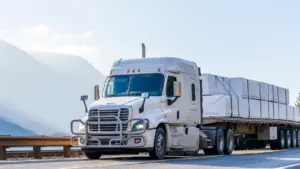
FTL pricing is built around dedicated truck usage. This means your shipment occupies the entire trailer, regardless of whether it is fully loaded or not. Because of this, pricing depends heavily on lane demand and truck availability in your region.
For example, a shipment moving from Toronto to Chicago may have a lower rate if trucks are already available returning empty from that direction. However, the same shipment during peak retail season may cost significantly more due to reduced carrier availability.
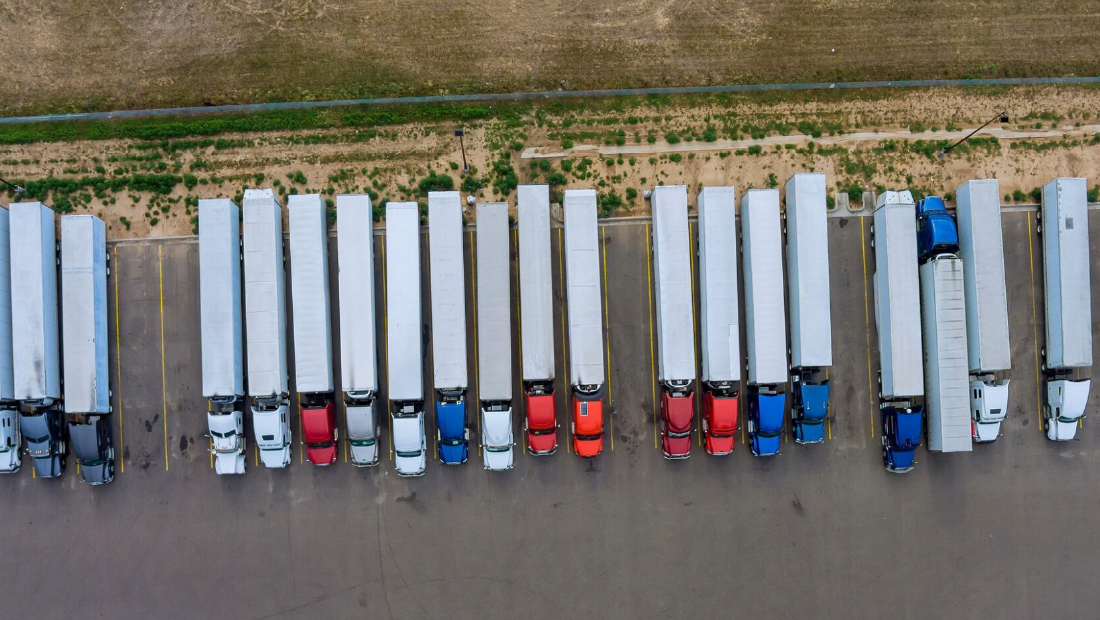
FTL pricing depends on truck availability
Lane demand affects cost variation
Seasonal peaks increase freight rates
Empty return optimization impacts pricing
Understanding this structure helps you avoid overpaying during high demand periods.
Key Factors That Influence FTL Rates in 2026
You need to understand what drives pricing before you negotiate freight contracts. FTL rates are not random. They are calculated based on multiple real time logistics variables.
Distance is the most obvious factor, but it is not the only one. Fuel price fluctuations directly affect per mile cost. Driver availability also impacts pricing because shortages increase carrier rates.
Cross border shipments between Canada and the US introduce additional factors such as customs clearance timing and documentation handling. Delays at the border increase operational cost and affect pricing structure.
For example, a shipment from Vancouver to California may cost more during peak shipping season due to congestion at border points and higher fuel surcharges.
Distance affects base pricing structure
Fuel costs directly impact rate changes
Driver shortages increase carrier pricing
Border delays affect cross border shipments
E North Logistics helps businesses structure freight planning around these variables to control cost exposure.
Seasonal Impact on FTL Shipping Costs
You operate in a supply chain environment where timing directly affects cost. FTL rates fluctuate based on seasonal demand cycles.
During peak retail seasons such as Q4, trucking demand increases significantly due to retail inventory movement. This reduces truck availability and increases pricing across most lanes in Canada and US routes.
In contrast, off peak periods offer more stable pricing due to higher carrier availability. However, businesses that fail to plan ahead during peak cycles often face last minute booking premiums.
For example, a distributor in Alberta shipping to multiple US states experiences 20 to 30 percent cost increase during holiday season because trucks are pre booked weeks in advance.
Peak seasons increase freight rates
Off peak periods offer cost stability
Early booking reduces price risk
Demand spikes reduce carrier availability
Planning ahead is critical for controlling logistics cost in 2026.
Cross Border FTL Shipping Complexity Between Canada and US
You are not only managing transportation. You are managing regulatory compliance, customs clearance, and timing coordination between two countries.
Cross border FTL shipments require accurate documentation, tariff classification, and customs pre clearance. Any delay in documentation leads to border hold times that increase operational cost.
For example, a shipment from Ontario to Michigan may be delayed if paperwork is incomplete or if customs inspection volume is high. Even small delays can disrupt delivery schedules and warehouse planning.
Cross border freight also requires coordination between carriers on both sides of the border, which adds another layer of pricing variability.
Customs delays affect delivery timing
Documentation accuracy is critical
Cross border coordination adds complexity
Inspection delays increase cost exposure
E North Logistics ensures structured cross border freight handling to reduce delay risk and cost unpredictability.
Hidden Cost Drivers in FTL Shipping
You often focus only on base freight rate, but hidden costs significantly affect total logistics expense. These include fuel surcharges, detention charges, waiting time fees, and accessorial charges.
For example, if a loading dock is not ready when the truck arrives, detention fees begin accumulating. Similarly, if unloading takes longer than scheduled, additional charges apply.
Fuel surcharge also fluctuates weekly based on market fuel price indexes. Many businesses fail to track this, resulting in unpredictable cost variations across shipments.
Detention fees increase operational cost
Accessorial charges affect total billing
Fuel surcharges fluctuate weekly
Delays increase hidden expenses
Understanding these cost drivers helps you improve freight budgeting accuracy.
FTL vs LTL Decision Making in Business Logistics
You must choose between Full Truckload (FTL) and Less Than Truckload (LTL) based on shipment size, urgency, and cost efficiency.
FTL is more efficient when you have large volume shipments that require direct delivery without stops. LTL is suitable for smaller shipments but introduces handling risk and longer transit times.
For example, a manufacturer shipping full pallet loads across Canada benefits more from FTL because it reduces handling and improves delivery speed. However, smaller shipments may not justify full truck usage.
FTL reduces handling and transit delays
LTL increases consolidation time
Shipment size determines method choice
Efficiency depends on delivery urgency
E North Logistics helps businesses select the right freight method based on operational needs.
Cost Optimization Strategies for FTL Shipping
You are not locked into high freight costs. Strategic planning can significantly reduce FTL expenses.
Booking in advance reduces exposure to peak pricing. Consolidating shipments into full loads improves cost efficiency. Choosing flexible delivery windows allows better carrier matching.
For example, businesses that allow flexible pickup scheduling often receive lower rates because carriers can optimize route planning.
Advance booking reduces peak cost impact
Load consolidation improves efficiency
Flexible timing reduces rate pressure
Route optimization lowers transportation cost
E North Logistics builds freight strategies that reduce long term logistics expenses.
Take Control of Your Freight Costs in 2026
You are operating in a logistics environment where pricing is dynamic, not fixed. Without understanding how FTL rates are structured, you risk overpaying and losing operational control over your supply chain.
E North Logistics provides structured freight solutions that help you manage cost, reduce delay risk, and improve cross border shipping performance between Canada and the US.
Partner with E North Logistics to optimize your FTL shipping strategy and take control of your logistics costs in 2026.
FAQs
1. What is Full Truckload (FTL) shipping used for?
FTL shipping is used when a shipment requires an entire truck dedicated to one delivery. It is ideal for large volume goods and direct routes. It reduces handling and improves delivery speed.
2. Why do FTL rates change frequently in Canada and US routes?
Rates change based on fuel prices, driver availability, and seasonal demand. Market conditions directly impact carrier pricing. This makes FTL rates dynamic rather than fixed.
3. How does cross border shipping affect FTL costs?
Cross border shipments involve customs clearance and documentation requirements. Delays at the border increase operational cost and transit time.
4. When should a business choose FTL over LTL shipping?
FTL should be used when shipment volume is large enough to fill a truck or when fast, direct delivery is required. It reduces handling and improves efficiency.
5. Why choose E North Logistics for FTL shipping in Canada?
E North Logistics provides structured freight planning, cost optimization, and cross border expertise. It helps businesses reduce logistics risk and improve supply chain efficiency.