A distribution manager in Ontario is preparing weekly shipments to multiple warehouse locations across the United States. At the same time, a manufacturing business in Alberta struggles with delayed deliveries because their shipments are being consolidated through shared freight networks that increase handling time and reduce control over delivery schedules.
Both businesses are dealing with the same core issue. They are not optimizing their freight method based on operational scale and urgency. Full Truckload shipping is often overlooked because companies focus only on cost per shipment instead of total supply chain efficiency. In reality, FTL is not just a transport option. It is a control system for businesses that depend on predictable delivery, reduced handling risk, and faster inventory movement.
E North Logistics works with Canadian businesses that need reliable freight movement across regional and cross border routes, where timing and shipment integrity directly impact revenue flow.
What Full Truckload Shipping Actually Means in Business Terms
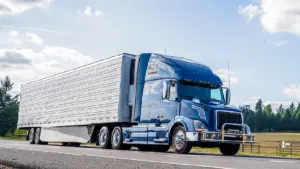
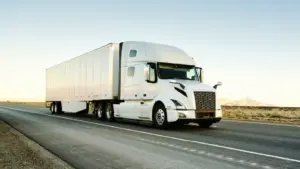
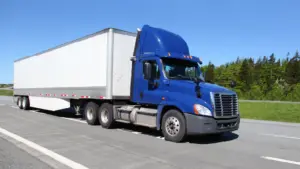
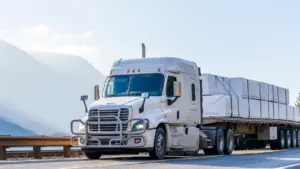
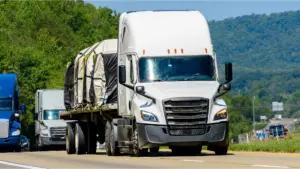
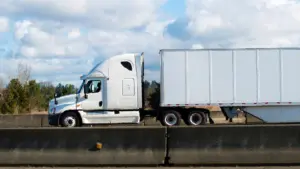
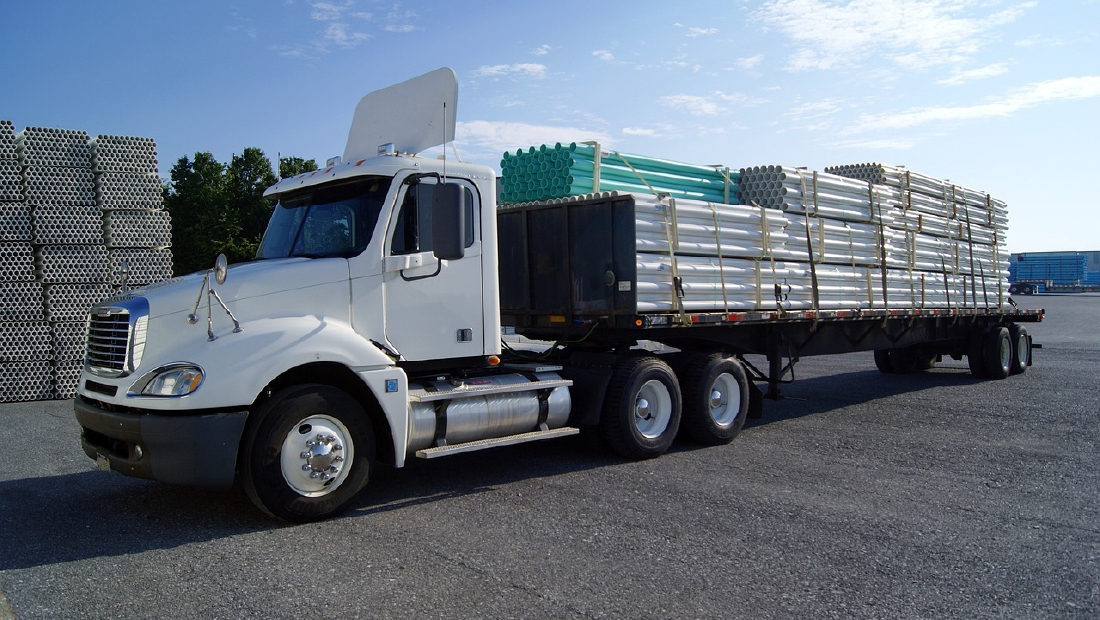
You are using Full Truckload shipping when your goods occupy an entire truck without sharing space with other shipments. This means your cargo moves directly from pickup point to delivery point without intermediate stops for consolidation or unloading other freight.
In practical business terms, this gives you full control over shipment timing, handling conditions, and transit routing. Unlike shared freight systems, your shipment is not delayed by other consignments or warehouse sorting processes.
For example, a furniture distributor in British Columbia shipping full warehouse loads to retail stores in Calgary benefits from direct routing because products arrive in uniform condition without multiple handling points.
Dedicated truck for one shipment
No sharing with other cargo
Direct point to point delivery
Reduced handling and transfer risk
Key Benefits of Full Truckload Shipping for Businesses
1. Faster Transit Times
You reduce delivery time because your shipment does not wait for consolidation or multiple drop offs. Trucks move directly from origin to destination.
A food distribution company in Toronto shipping perishable goods to Michigan benefits from FTL because transit time reduction directly improves product freshness and reduces spoilage risk.
2. Lower Risk of Damage
Your goods are loaded once and unloaded once. This reduces handling damage significantly compared to shared freight systems where cargo is moved multiple times.
For example, electronics manufacturers shipping fragile equipment reduce breakage risk by avoiding multiple warehouse transfers.
3. Predictable Delivery Scheduling
You control pickup and delivery timing more effectively. This improves warehouse planning and inventory flow.
A retail chain in Alberta uses FTL to schedule weekly stock replenishment without delays caused by shared freight consolidation.
4. Better Cost Efficiency at Scale
While FTL may appear more expensive per trip, it becomes more cost efficient when shipment volume is high because you avoid per unit handling charges.
5. Improved Supply Chain Control
You reduce dependency on third party consolidation schedules. This gives you better control over your logistics timeline.
FTL vs LTL Comparison Table
| Factor | Full Truckload (FTL) | Less Than Truckload (LTL) |
|---|---|---|
| Shipment handling | Single load only | Multiple handling points |
| Transit speed | Faster direct delivery | Slower due to consolidation |
| Damage risk | Lower risk | Higher risk due to transfers |
| Cost structure | Fixed per truck | Based on shared space |
| Scheduling control | High control | Limited control |
| Ideal for | Large shipments | Small shipments |
When Your Business Should Choose FTL Shipping
You should choose Full Truckload shipping when your operations depend on speed, volume, and delivery control rather than fragmented cost saving.
In real business operations, this decision becomes clear in situations like:
A manufacturing plant shipping full pallet loads to distribution centers weekly
A retail business restocking multiple stores before seasonal demand spikes
A construction supply company moving bulk materials to project sites
A cross border supplier delivering time sensitive industrial goods
In each of these cases, delays or damage create higher financial impact than transport cost itself.
Real Business Situations Where FTL Improves Operations
Situation 1: Seasonal Retail Restocking
A retail chain in Ontario prepares for holiday season inventory. Instead of using shared freight, they use FTL to ensure entire store shipments arrive in one controlled delivery cycle. This reduces warehouse congestion and improves shelf readiness.
Situation 2: Manufacturing Supply Chain Stability
An automotive parts manufacturer in Alberta ships full truckloads to assembly plants in the US. Using FTL ensures production lines do not stop due to delayed partial shipments.
Situation 3: Cross Border Distribution Control
A food distributor shipping from Canada to the US uses FTL to maintain temperature control and avoid delays caused by multi stop consolidation.
Hidden Operational Advantages You Often Overlook
You do not just gain transport efficiency with FTL. You gain operational predictability that affects your entire supply chain.
Warehouse teams plan unloading in advance
Inventory cycles become predictable
Fewer delays in downstream operations
Reduced dependency on shared freight delays
These benefits improve business stability even if they are not immediately visible in freight invoices.
Cost Perspective: Why FTL Becomes Cheaper at Scale
You often compare FTL and LTL only on shipment price. That comparison is incomplete.
When you factor in damage reduction, faster delivery, fewer handling fees, and reduced delay cost, FTL often becomes more cost efficient for medium to large shipments.
For example, a business shipping 20 pallets through LTL may pay lower base cost but incur additional handling charges, delay penalties, and damage replacements. The same shipment under FTL avoids these hidden costs.
Decision Framework for Choosing FTL
You can use this simple decision logic:
If shipment fills most of a truck: choose FTL
If delivery timing is critical: choose FTL
If product damage risk is high: choose FTL
If shipment is small and non urgent: LTL may work
Build a Smarter Freight Strategy With ENorth Logistics
You are not just moving goods. You are managing timing, cost, risk, and customer satisfaction through your logistics decisions. Full Truckload shipping gives you control over all four when used correctly.
E North Logistics helps Canadian businesses structure FTL shipping strategies that reduce delays, improve cost efficiency, and strengthen cross border supply chain performance.
Partner with E North Logistics to optimize your Full Truckload strategy and improve supply chain control across Canada and US routes.
FAQs
1. What makes Full Truckload shipping better for large businesses?
Full Truckload shipping gives businesses control over timing, handling, and delivery routes. It reduces delays caused by shared freight systems. It also improves shipment reliability for large volume goods.
2. Is FTL always more expensive than LTL shipping?
FTL has a higher upfront cost but often becomes more cost efficient at scale. It reduces damage, handling fees, and delays. These savings balance overall logistics expenses.
3. When should a company avoid using FTL shipping?
Companies should avoid FTL when shipment size is too small to fill a truck. In such cases, LTL is more cost effective. FTL is best for large or time sensitive shipments.
4. How does FTL improve supply chain reliability?
FTL reduces dependency on consolidation schedules and multiple handling points. This makes delivery timing more predictable. It improves warehouse planning and inventory flow.
5. Why should Canadian businesses consider E North Logistics for FTL?
E North Logistics provides structured freight planning and cross border expertise. It helps businesses reduce cost risks and improve delivery consistency. It also strengthens overall logistics efficiency.