You are managing shipments where delays, damage, and cost inefficiency directly affect your margins. When you are moving large volumes of goods across long distances, partial solutions create unnecessary risk. Shared freight increases handling, adds transit time, and raises the chances of damage. This is where Full Truckload shipping becomes a practical solution for businesses that require speed, control, and reliability.
In 2026, shipping expectations are higher than before. Customers expect faster delivery, accurate timelines, and minimal errors. If your logistics strategy does not support this, you lose competitive advantage. Full Truckload shipping is not just about moving goods in bulk. It is about reducing touchpoints, improving transit efficiency, and maintaining product integrity from origin to destination.
What Full Truckload Shipping Actually Means in Operations
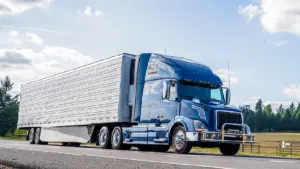
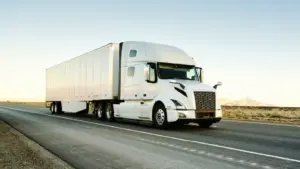
Full Truckload shipping means your shipment occupies the entire trailer. Your goods are not mixed with other shipments. This reduces handling and limits external interference during transit.
This model works best when you have high volume shipments or sensitive goods that require minimal movement. Unlike shared freight, your cargo is loaded once and delivered directly to the destination. This improves speed and reduces risk exposure.
Single shipment occupies entire trailer
Minimal handling during transit
Direct route from pickup to delivery
Reduced risk of damage or delay
You gain more control over scheduling and delivery timelines. This is critical for businesses working with strict supply chain deadlines.
When FTL Becomes the Right Choice for Your Business
You should not choose FTL based on volume alone. The decision depends on shipment urgency, product type, and delivery expectations.
If your goods are time sensitive or high value, reducing transit risk becomes a priority. FTL allows you to control movement without relying on shared logistics networks. This improves predictability and reduces delays caused by multiple stops.
Businesses in retail distribution, manufacturing, and cross border trade often rely on FTL for consistent performance. It supports high demand operations where delays create operational disruptions.
Ideal for large volume shipments
Suitable for time sensitive deliveries
Reduces dependency on shared networks
Improves delivery predictability
ENorth Logistics provides FTL solutions designed for businesses that require efficiency and reliability at scale.
Cost Considerations: Is FTL Always Expensive
You might assume FTL is always more expensive than shared shipping. This is not always accurate. Cost should be evaluated based on total shipment value and risk.
In shared shipping, lower upfront cost often leads to hidden expenses. Delays, damage, and extended handling increase overall cost. FTL reduces these risks, which can result in better long term value.
For high volume shipments, FTL can become more cost efficient than splitting goods across multiple shipments. You also save on administrative coordination and handling complexity.
Lower risk of damage reduces replacement cost
Faster delivery improves operational flow
Fewer touchpoints reduce handling errors
Better control reduces unexpected delays
You need to evaluate cost based on total impact, not just initial pricing.
Transit Speed and Delivery Reliability
Speed is one of the biggest advantages of FTL shipping. Your shipment moves directly from pickup to destination without multiple stops. This reduces transit time significantly.
Reliability also improves because there are fewer variables involved. Shared shipping depends on multiple pickups and deliveries, which increases delay risk. FTL eliminates this complexity.
For businesses operating on tight schedules, this level of reliability is critical. Delayed shipments can disrupt production, inventory planning, and customer delivery commitments.
Direct routes reduce transit time
Fewer stops improve reliability
Better scheduling control
Reduced dependency on external factors
ENorth Logistics ensures optimized routing for faster and more predictable delivery timelines.
Risk Reduction and Cargo Safety
Every time cargo is handled, risk increases. In shared shipping models, goods are loaded and unloaded multiple times. This increases the chance of damage or loss.
FTL minimizes handling. Your shipment remains in the same trailer from origin to destination. This reduces exposure to damage and improves overall cargo safety.
For fragile, high value, or sensitive goods, this becomes a critical advantage. You protect product quality while reducing liability risk.
Minimal handling reduces damage risk
Controlled environment improves safety
Lower exposure to external interference
Better shipment integrity
This is why many businesses switch to FTL for high value shipments.
Cross Border Shipping Advantages
If you are shipping between the United States and Canada, efficiency becomes even more important. Border delays can affect delivery timelines significantly.
FTL simplifies cross border logistics because the shipment is consolidated. Documentation is processed for a single load, reducing complexity. This speeds up clearance and reduces hold times.
Businesses that rely on cross border trade benefit from the predictability of FTL. It reduces delays caused by mixed shipments and improves overall supply chain efficiency.
Faster border clearance process
Reduced documentation complexity
Improved delivery timelines
Better shipment tracking
ENorth Logistics specializes in cross border FTL services that support fast and secure freight movement.
Operational Efficiency for Growing Businesses
As your business scales, logistics becomes more complex. You need solutions that support growth without increasing operational challenges.
FTL simplifies logistics by reducing coordination requirements. You are managing fewer shipments with clearer timelines. This improves efficiency and reduces administrative workload.
For growing businesses, this level of simplicity is valuable. It allows you to focus on expansion without being slowed down by logistics issues.
Fewer shipments to manage
Clearer delivery timelines
Reduced coordination effort
Scalable logistics solution
Choose Control Over Complexity
You are not just moving goods. You are managing a supply chain that impacts your business performance. Full Truckload shipping gives you control, speed, and reliability that shared methods cannot match.
If your shipments require efficiency, reduced risk, and predictable delivery, FTL is the right choice. It simplifies operations while improving overall performance.
Partner with ENorth Logistics to streamline your freight operations and move your shipments with confidence in 2026.
Frequently Asked Questions
1. What is the difference between FTL and LTL shipping?
The primary difference between Full Truckload (FTL) and Less Than Truckload (LTL) shipping is trailer usage. With FTL, a single shipper uses the entire truck trailer, while LTL combines freight from multiple shippers in one trailer.
FTL is typically preferred when businesses need faster delivery, greater cargo security, and minimal handling. Since the shipment moves directly from pickup to destination, transit times are generally shorter and more predictable.
Key differences include:
FTL uses a dedicated trailer for one shipment.
LTL shares trailer space among multiple shippers.
FTL offers faster transit times with fewer stops.
LTL is often more economical for smaller shipments.
FTL significantly reduces the risk of damage due to limited handling.
Businesses should evaluate shipment size, urgency, and cargo sensitivity when deciding between FTL and LTL transportation.
2. How much freight is required for a Full Truckload shipment?
There is no strict requirement that a shipment must completely fill a trailer to qualify as FTL. Many companies choose FTL when their freight occupies a significant portion of the trailer or when shipment security and delivery speed are priorities.
In general, FTL is commonly used when:
Freight exceeds 15,000 pounds.
Shipments require more than 8 to 12 pallets.
Products are high value or fragile.
Delivery deadlines are strict.
Businesses want dedicated transportation without freight consolidation.
Even smaller shipments may be moved as FTL if reducing transit risk and improving delivery performance outweigh cost considerations.
3. What factors affect Full Truckload shipping costs?
FTL pricing is influenced by several operational and market factors. Understanding these variables helps businesses estimate transportation budgets more accurately and optimize shipping strategies.
Important factors affecting FTL rates include:
Pickup and delivery distance.
Freight weight and dimensions.
Trailer type such as dry van, reefer, or flatbed.
Fuel prices and fuel surcharges.
Seasonal freight demand and capacity availability.
Cross-border requirements and customs processing.
Pickup and delivery locations.
While FTL may have a higher upfront transportation cost compared to shared shipping, many businesses find it provides greater overall value by reducing delays, product damage, and administrative complexity.
4. What types of freight are best suited for Full Truckload shipping?
FTL shipping is designed for freight that requires direct transportation, enhanced security, and reduced handling throughout the shipping process.
Industries and freight types that commonly benefit from FTL include:
Retail distribution and replenishment shipments.
Manufacturing materials and finished products.
Automotive parts and equipment.
Food and beverage transportation.
Temperature-sensitive refrigerated goods.
High-value electronics and technology products.
Industrial machinery and oversized freight.
Because freight remains on the same trailer throughout transit, FTL helps maintain product integrity and improves supply chain reliability.
5. What are the benefits of using FTL for cross-border shipping between Canada and the United States?
Cross-border transportation involves customs documentation, inspections, and regulatory compliance requirements that can impact delivery timelines. FTL shipping helps simplify these processes by moving a single consolidated shipment directly between origin and destination.
Key cross-border advantages include:
Faster customs clearance for dedicated shipments.
Reduced documentation complexity.
Fewer delays caused by freight consolidation.
Better shipment visibility and tracking.
Lower risk of cargo damage during transit.
Improved delivery predictability for supply chain planning.
For businesses that regularly move freight between Canada and the United States, FTL shipping provides greater control, improved operational efficiency, and more reliable delivery performance across international supply chains.