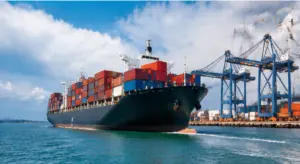
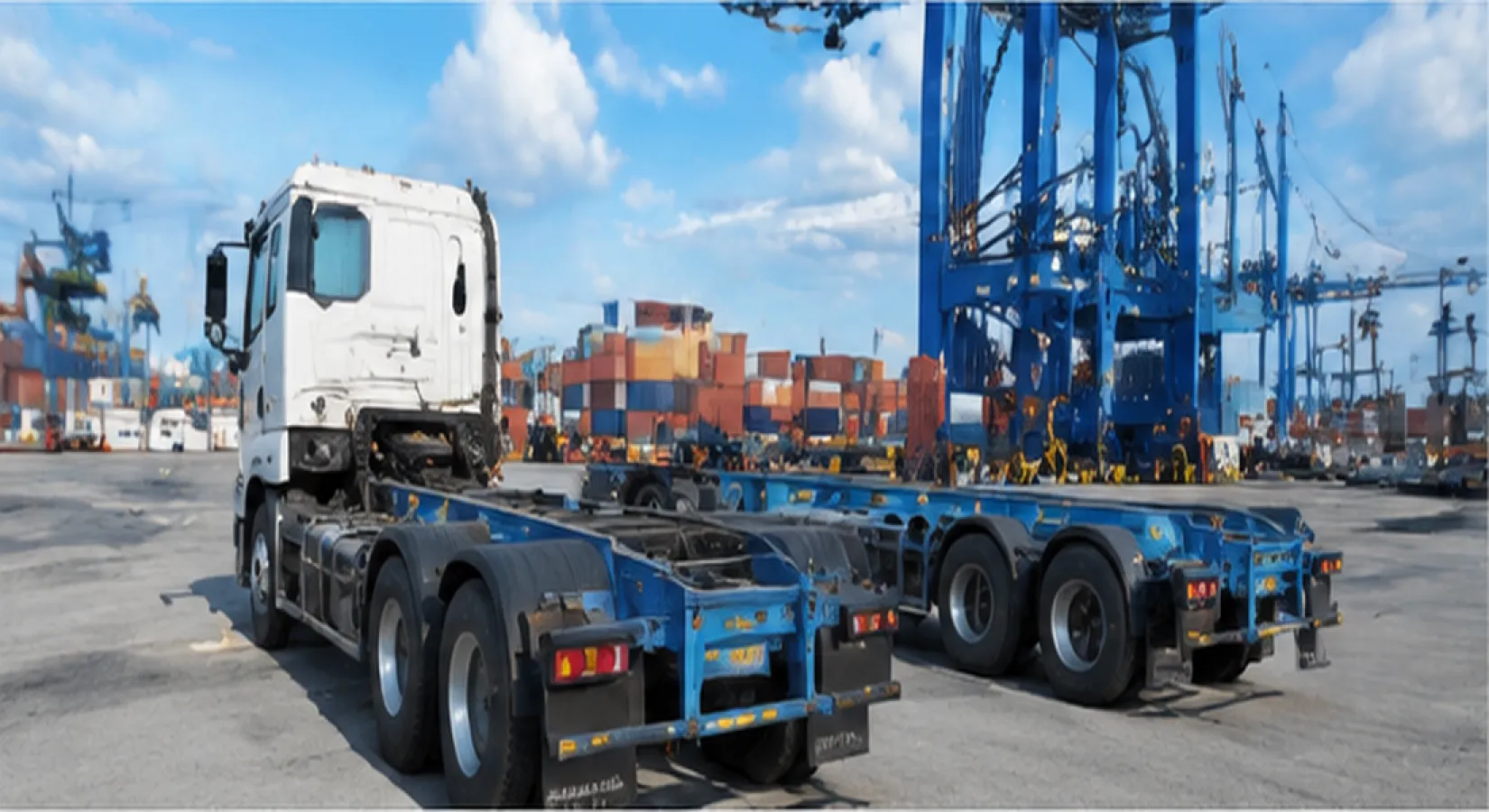
Moving international freight requires a tightly synchronized connection between different transport networks. When container ships arrive at marine terminals, thousands of heavy metal boxes must clear the docks quickly. If these cargo units sit idle on the wharf, supply chains stall and your business faces severe financial penalties. Managing this critical transfer point demands high-performance coordination before your products ever hit public highways.
Overland container transportation forms the structural baseline for modern global trade. Sourcing the right transportation assets keeps your supply chain resilient against changing terminal rules. At ENorth Logistics, we look at port logistics through a practical, data-driven framework. This guide explores how specialized short-haul fleets, equipment setups, and harbor systems function to protect your corporate shipping budget.
Evaluating the Critical Role of Drayage Trucking Carriers
Specialized transport providers handle the initial land movements that connect major maritime gateways with inland rail lines. Standard long-haul trucking companies are not structured to manage the strict administrative rules enforced at harbor gates. Because of these challenges, shippers must work with certified asset groups to clear their incoming freight smoothly.
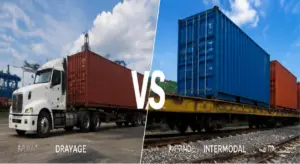
Drayage trucking represents the vital short-haul transport of shipping containers linking ocean ports, regional rail yards, local logistics hubs, and inland distribution centers. Operating as the essential first and last mile of intermodal shipping, it handles the short-distance moves that initiate or conclude a longer journey.
To understand how these specialized fleets protect your supply chain, look at the core characteristics defining modern drayage trucking carriers:
- Short-Distance Scope: These runs typically cover local distances under 50 miles from the container terminal.
- Terminal Gate Access: Drivers possess valid port authority permits and federal security badges to enter restricted zones.
- Intermodal Rail Links: Fleet dispatchers align truck movements with active train schedules to optimize delivery times.
- Chassis Equipment Use: Carriers deploy specialized skeletal frames to pull heavy metal containers over public roads.
Understanding these baseline parameters helps you select the best transport methods for your local containers. Let us look closely at the primary operational workflows these fleets execute daily.
Defining Inbound Operational Workflows for Import Drayage
Import drayage focuses entirely on moving loaded containers directly from the port terminal to an off-site warehouse or a nearby rail ramp. This inbound workflow is tied to strict Last Free Day (LFD) rules enforced by marine terminal operators. Ports allow a limited window of free storage time before penalty fees accumulate on your account.
If a container is not picked up by your chosen carrier before the last free day passes, exorbitant storage fees are incurred. These compounding penalties can drain your corporate distribution margins within a few days. High-performing drayage trucking carriers coordinate their dispatch schedules to pull loads out before your free time expires.
Managing Outbound Logistics for Export Drayage
Export drayage handles the reverse logistical flow by transporting empty containers from a storage depot to a shipper’s manufacturing facility for product loading. Once workers fill the container, the driver returns the loaded container back to the port terminal securely. This outbound process demands precise synchronization with strict carrier schedules and shipping line timelines.
Your logistics team must manage two critical timing rules during export operations:
- The Earliest Return Date (ERD): The first calendar day the port terminal will accept a specific export container for a scheduled vessel.
- The Port Cutoff Window: The strict deadline after which the terminal operator closes the vessel manifest, meaning late trucks are turned away at the gate.
Equipment Logistics – Master Chassis Management and Asset Procurement
Moving a steel ocean box over public roads requires a specialized wheeled transport trailer. A container completely lacks wheels, meaning it cannot travel down a highway without an underlying support frame. Sourcing this essential equipment represents one of the most complex parts of intermodal shipping.
A chassis is the skeletal trailer frame used to physically haul an ocean container on the road. Without this vital asset, the container sits on the ground and cannot be transported by a truck tractor. Managing these hardware pieces requires continuous tracking because equipment shortages at the port can halt your container drayage services instantly.
Note: Chassis maintenance and procurement rules are frequently updated by intermodal equipment providers. Shippers must track their chassis choices carefully to balance their rental expenses and dispatch flexibility.
Comparing Commercial Equipment Sourcing Options
Trucking fleets and third-party logistics firms secure their container trailers through distinct pooling networks. Each procurement strategy carries unique financial risks regarding daily usage fees and asset maintenance.
Review this scannable reference index to see how different chassis sourcing models compare:
Sourcing Model Class | Operational Structure | Core Financial Advantage | Primary System Risk |
Carrier-Owned Pools (COCP) | The drayage company provides its own private chassis fleet. | Streamlines terminal operations and removes third-party dependencies. | Requires large upfront equipment investments from the carrier fleet. |
Gray Pools (CCM Model) | Multiple equipment providers and shipping lines pool their chassis under unified management. | Allows a driver to pick up a container and chassis from a single location. | Subject to regional inventory shortages during peak import waves. |
Motor Carrier Leases | Drivers or carriers rent chassis daily from third-party leasing companies. | Delivers flexible capacity without long-term asset ownership burdens. | Incurs high daily rental costs and strict return location rules. |
Empty chassis management requires careful tracking by your logistics team to avoid hefty street per diem fees. These daily penalties accumulate rapidly if your driver fails to return the trailer to the exact designated depot on time. Shippers must work with an organized carrier dispatch office to monitor these equipment return windows closely.
Deciphering Terminal Procedures and Port Operations
Marine hubs operate under extreme capacity pressures, handling thousands of truck movements simultaneously each day. Terminal operators enforce strict port authority rules to minimize congestion and maintain yard fluidity. Shippers must align their pickup schedules with these facility routines to prevent costly delays at the gate.
Managing Strict Marine Terminal Appointment Systems
High-volume ports utilize automated gate scheduling platforms to control the flow of incoming truck traffic. Drayage drivers must schedule precise gate times to pick up or drop off containers at specific terminal berths.
These appointment windows are often highly limited, meaning your driver must arrive exactly on schedule. Missing an appointment slot can result in wasted travel time, canceled reservations, and expensive turn time fees from the carrier.
Executing Security and Gate Procedures at the Harbor
Passing through a secure marine terminal gate requires matching specific federal identification rules and facility permits. Drivers must hold valid Transportation Worker Identification Credential (TWIC) cards to enter secure maritime zones without an escort.
When your container drayage services provider arrives at the checkpoint, automated scanners read the container number, checking the data against active customs manifests. Having all your documentation prepared in advance ensures the vehicle clears the gate line quickly.
Driver with TWIC Card + Valid Gate Reservation → Automated Scanner Approval → Fast Yard Entry
Controlling Risk with Per Diem and Storage Fine Mitigation
Ports allow a strict window of free time to remove an arrived container from the terminal facility, which usually spans 2 to 4 days. Failing to clear the container out of the port on time triggers daily storage charges that often exceed $200+ per day.
These severe per diem and storage fees are usually passed directly onto the primary shipper or the logistics broker. To control these risks, your business must use a carrier dispatch network that tracks last free days actively.
Info: Managing total landed costs requires close oversight of your terminal operations data. Implementing real-time visibility software helps you spot delayed containers before storage fines accumulate.
Adapting to Tighter Sourcing Pressures and Capacity Constraints in 2026
External market disruptions and changing regulatory realities continue to squeeze transportation budgets this year. Shippers must adjust their logistics playbooks to manage tightening fleet supplies and volatile energy costs.
Navigating Peak-Season Pressure and Truckload Exits
The current 2026 freight market is experiencing a significant shift as spot market truckload rates climb above traditional contract rates. Data reveals that tender rejection rates have reached multi-year highs, signaling that carriers hold increased pricing power.
Smaller independent operators continue to struggle with high inflation and equipment maintenance expenses, causing elevated capacity exits across the trucking industry. This contraction means your company must compete fiercely for trailer space, especially as peak-season pressure builds directly into the third quarter.
Managing Legal Risks Following the Montgomery v. Caribe Precedent
Corporate legal exposures have expanded significantly due to a major judicial milestone. A landmark U.S. Supreme Court ruling in Montgomery v. Caribe Transport clarified a critical liability issue for transportation networks. The Court ruled that federal laws do not protect transportation brokers or primary shippers from being sued in state courts following a truck accident.
Consequently, companies face increased negligence exposure tied directly to how they evaluate their drayage trucking carriers. This legal shift places an immense premium on working with an enterprise provider that maintains a rigorous, well-documented carrier qualification program.
The ENorth Logistics Operational Standard
Coordinating a successful intermodal freight plan requires working with a certified transportation management partner you can trust completely. ENorth Logistics provides high-performance container logistics solutions across Canada and the United States, keeping your regional port moves seamless. We remove the administrative burden of equipment management by checking your customs data, tracking your last free days, and securing reliable chassis assets before our trucks ever arrive at the gate.
To protect your business from rising legal risks and border friction, our team maintains full operating credentials across all state and provincial corridors:
- Active USDOT Registration: Full federal license for legal interstate transport across all U.S. highway systems.
- Valid MC Authority: Active commercial operating authority to execute cross-border international container freight.
- Ontario CVOR License: Certified transport compliance to operate heavy machinery safely within Canadian trade zones.
- Complete IFTA Compliance: Audited fuel tax reporting safety across all regional boundary lines.
Our team utilizes advanced digital tracking systems to provide real-time freight visibility from pickup to drop-off. We continuously monitor changing weather conditions, permit restrictions, and harbor wait times to protect your corporate profit margins. Partnering with ENorth Logistics means your commercial cargo is fully protected by a professional, technology-driven transportation network.
Conclusion
Succeeding in the competitive international trade market requires a disciplined approach to vehicle selection and terminal scheduling. Transitioning away from unmanaged, last-minute terminal bookings toward structured contract shipping agreements shields your business from expensive storage fines and driver delays. By tracking your container lifecycles carefully, checking your local free time limits, and utilizing advanced multi-carrier tracking platforms, you can eliminate expensive terminal penalties effortlessly.
The experienced container logistics specialists at ENorth Logistics are ready to build a more resilient distribution framework for your business. Our team handles the complex details of route planning, port scheduling, and carrier safety auditing so your staff can focus entirely on core commercial growth. Reach out to our customer support center today to execute a thorough lane performance audit, secure competitive volume contract pricing, and request an accurate quote for your next cargo run.
Frequently Asked Questions About Drayage Logistics
What is the primary role of drayage trucking carriers in a supply chain?
Drayage trucking carriers function as specialized transport providers that move containerized cargo over short distances, typically under 50 miles. They act as the essential first and last mile connection linking marine ports, rail yards, and local warehouses together. Their drivers handle the highly secure gate procedures needed to transfer international containers safely onto public highways.
How do chassis pools optimize modern equipment management?
Chassis pools optimize equipment management by consolidating standard trailer frames under a unified tracking system, which lowers container positioning costs. Models like gray pools let drivers pick up a chassis and a container from a single location, reducing empty repositioning miles. This shared infrastructure helps carriers combat rising fuel costs while maintaining high fleet utilization.
What are the main differences between import drayage and export drayage?
Import drayage focuses on moving loaded containers out of a port terminal to an inland warehouse before strict Last Free Day deadlines expire. Export drayage handles the reverse flow by delivering an empty container to a shipper for product loading, then returning the filled unit back to the harbor gate. Outbound moves must stay within the Earliest Return Date and vessel cutoff windows.
Why are port operations shifting toward automated appointment systems?
Terminal operations utilize automated appointment systems to control truck traffic density and maintain yard fluidity inside congested harbors. Requiring drivers to secure specific gate time slots helps port operators minimize long queue lines and reduce vehicle emissions. Matching your dispatch schedules with these target windows prevents expensive turn time penalties at the checkpoint.