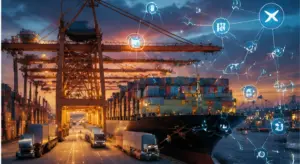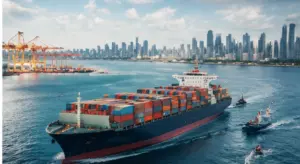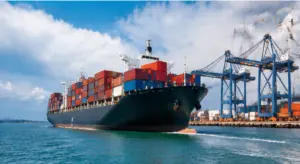
Moving international cargo through major marine terminals requires a tightly planned distribution strategy. Many supply chain coordinators experience regular delivery delays and unexpected cost overruns because they view container tracking as a passive task. When your cargo gets stuck on a crowded shipping dock, your company risks losing vital retail contracts and paying expensive storage penalties. Sourcing highly reliable local transport solutions has become a primary operational focus for modern import and export enterprises.
Overland container hauling forms the baseline link between deep-sea shipping lines and regional commercial facilities. Managing these localized container runs demands real-time visibility, proper equipment sourcing, and disciplined terminal scheduling. At ENorth Logistics, we look at port logistics through a practical, technology-driven framework. This guide will clarify the primary transportation options and network structures to help you optimize your logistics budget.
Defining Port Drayage Services in Modern Freight Forwarding
Establishing an efficient container distribution network requires a clear knowledge of localized hauling operations. Shippers must study how their goods transition from ocean slips onto public roads to avoid common terminal bottlenecks.
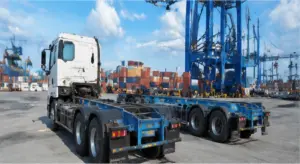
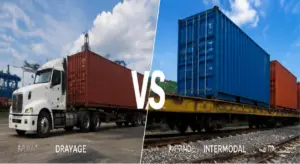
Port drayage services bridge the critical first- and last-mile gap between seaports, rail yards, and regional distribution centers. In the Greater Toronto Area (GTA), specialized logistics providers coordinate short-haul container movements, cross-border freight, intermodal transfers, and bonded warehousing to keep global supply chains moving without costly storage or terminal delays. Local logistics networks, like those servicing the L5B area, provide a wide array of supply chain services to optimize import and export flows.
To keep your operations flowing smoothly, modern short-haul fleets handle a variety of standardized container designs:
- 20-Foot Standard Containers: Ideal for heavy, dense industrial commodities like machinery components, metal coils, and stone blocks.
- 40-Foot Standard Containers: The standard baseline unit for moving large volumes of retail consumer products, apparel, and lightweight electronics.
- 45-Foot High-Cube Containers: Specialized over-dimensional units built to maximize internal vertical space for light, high-volume cargo runs.
Core Drayage and Intermodal Services for Commercial Supply Chains
Selecting the ideal transport format for your ocean containers lowers your logistics overhead significantly. Shippers can choose different handling options based on their delivery destinations and product categories.
Port-to-Door Drayage for Streamlined Inventory Moves
Port-to-door drayage gives your business a direct transport pipeline from the marine terminal straight to your receiving dock. The assigned driver picks up the loaded container from the harbor slot and rolls directly down regional highway corridors without intermediate terminal sorting steps. This direct container transfer cuts out extra cargo handling, which lowers the risk of structural product damage and speeds up your arrival timelines. It represents the most efficient way to keep your local manufacturing lines fully supplied.
Intermodal Transfers Across Major Rail Carrier Networks
When moving freight over massive continental distances, highway trucking costs can become too expensive for standard budgets. Intelligent logistics teams deploy intermodal drayage trucking solutions to combine the flexibility of road transport with the long-distance economy of regional trains. Drivers handle the short-haul transfers needed to carry ocean containers between major marine facilities and the primary CN and CP rail networks.
Review these operational phases that occur during a standard rail connection cycle:
- Terminal Retrieval: The container is lifted off the arrival vessel and placed onto a local truck chassis.
- Ramp Transfer: The driver moves the unit over local roads straight to the regional rail yard gate.
- Rail Linehaul: Specialized rail cranes lock the container onto a train car for the long cross-country trip.
- Last-Mile Delivery: A secondary truck fleet fetches the container at the inland rail ramp for final facility delivery.
Specialized Hauls for Complex and Regulated Payloads
Moving hazardous materials or temperature-sensitive goods requires unique driver credentials and custom trailer equipment. High-performance carriers maintain specialized fleets to handle these regulated commodities safely without roadside safety violations.
Review this scannable reference chart to see how specialized equipment assignments align with your cargo classes:
Cargo Commodity Class | Required Fleet Asset Specification | Core Supply Chain Protective Feature |
Overweight Freight | Heavy Tri-Axle Chassis Systems | Distributes heavy weight legally to comply with road weight laws. |
Hazardous Materials | Hazmat Certified Drivers & Vehicles | Employs safety placards and strict compliance tracking for chemical protection. |
Perishable Goods | Temperature-Controlled Reefer Trailers | Uses active cooling or heating systems to prevent early product spoilage. |
Warehousing Logistics and Strategic Transloading Operations
Managing an efficient international supply chain requires incorporating advanced storage strategies into your transport loops. Shippers who pull containers to destination facilities without checking their local warehouse capacities often face extreme yard crowding.
Bonded Storage inside CBSA-Approved Facilities
When importing valuable commodities, paying immediate border taxes can place a heavy strain on your working capital. Smart corporate importers utilize bonded storage networks to manage their cash flows efficiently.
These secure, CBSA-approved facilities allow you to store your arrived ocean containers safely while deferring your mandatory duties and taxes until the cargo is officially released for domestic distribution. This environment provides a secure tax shelter while your team processes your final international sales documents.
Note: Bonded warehousing logistics centers operate under strict government surveillance. All inventory entries and departures require validated border documentation to maintain compliance with federal trade laws.
Transloading and Distribution Centers Management
Transloading represents a highly efficient technique used to optimize your long-distance shipping expenses. Instead of paying to haul a heavy ocean container thousands of miles inland, the vehicle drops the unit at a specialized cross-dock terminal near the entry port.
Our operations teams execute a complete transloading cycle by utilizing organized warehouse workflows:
- Container De-Stuffing: Workers unload the raw cartons directly out of the arrived ocean container.
- Palletization Control: Loose boxes are stacked securely onto standard wooden pallets and wrapped with protective film.
- Cross-Dock Sorting: Cargo is sorted based on final regional destination codes to maximize trailer density.
- Final Distribution Routing: Pallets are loaded onto domestic trucks for fast Less-Than-Truckload (LTL) or Full-Truckload (FTL) distribution.
Managing Cross-Border Drayage Trucking Regulations and Costs
Hauling commercial freight across international border boundaries introduces strict administrative oversight and complex legal paperwork rules. Shippers who ignore customs requirements face severe terminal delays and high administrative fines at the checkpoint.
Smooth Customs Clearance at Major International Gateways
Executing a successful cross-border drayage trucking run requires absolute accuracy on every document before your vehicle reaches the international boundary line. Importers must work closely with experienced customs clearance brokers to pre-clear their manifests through digital trade portals.
For high-volume parcel distributions, staying ahead of evolving trade rules like Section 321 bulk parcel requirements or strict Canadian Food Inspection Agency (CFIA) codes is vital to prevent unexpected truck impoundments. Flawless data preparation ensures your cross-border trucks pass through inspection checkpoints without facing costly structural delays.
Controlling Port Logistics Penalty Fees
Marine terminal operators and shipping lines enforce strict storage timelines to keep their facilities clear of old containers. Shippers must track their arrival logs closely to avoid expensive accessorial upcharges.
Review these common port penalties and their underlying operational causes to safeguard your budget:
- Demurrage Fees: Assessed by the port terminal operator if a loaded container remains inside the terminal yard past the allowed free days.
- Detention Charges: Billed by the ocean shipping line if your company holds onto an empty container or trailer chassis past the return deadline.
- Turn Time Fees: Incurred if your driver misses a pre-booked gate slot, forcing the carrier to charge for lost driver hours.
[Info] Most major North American ports allow a strict window of two to four free days to clear your container out of the yard. Utilizing real-time visibility platforms lets you track these last free days actively to bypass unexpected demurrage upcharges.
Summary of Essential Cargo Management Solutions
To help your procurement department evaluate potential transport options, we have compiled an easy-to-use scannable table. Use these benchmarks to match your current import volumes with the best short-haul logistics solutions.
Service Option Class | Target Container Focus | Primary Supply Chain Benefit |
Port-to-Door Drayage | 20ft, 40ft, and High-Cube units | Direct delivery that cuts out intermediate handling stops. |
Intermodal transfers | Rail-linked ocean containers | Connects local trucks with high-efficiency CN and CP rail networks. |
Bonded Warehousing | Uncleared import containers | Permits secure storage while deferring duties and taxes safely. |
Transloading Care | Loose ocean container cargo | De-stuffs and palletizes items for final LTL or FTL distribution. |
The ENorth Logistics Performance Framework
Managing a complex international container network requires working with a certified transportation management partner you can trust completely. ENorth Logistics provides high-performance container logistics solutions across Canada and the United States, keeping your regional port moves seamless. We remove the administrative burden of equipment management by checking your customs data, tracking your last free days, and securing reliable chassis assets before our trucks ever arrive at the harbor gate.
Our operations team specializes in supporting the high-volume shipping needs of the Greater Toronto Area (GTA), utilizing advanced cross-dock hubs situated near the active L5B infrastructure zone. To protect your business from rising legal risks and border friction, our enterprise maintains full operating credentials across all state and provincial corridors. We hold active USDOT registrations, valid MC operating authorities, and compliant Ontario CVOR licenses to ensure total regulatory safety on every highway run. Partnering with ENorth Logistics means choosing a professional team dedicated to your long-term commercial growth.
Conclusion
Succeeding in a highly volatile transportation marketplace requires an organized approach to managing your port drayage services. Transitioning away from unmanaged, last-minute terminal bookings toward structured contract shipping agreements shields your corporate ledger from unexpected storage fines and driver delays. By tracking your container lifecycles carefully, checking your local free time limits, and utilizing advanced multi-carrier tracking platforms, you can eliminate expensive terminal penalties effortlessly.
The experienced container logistics specialists at ENorth Logistics are ready to build a more resilient distribution framework for your business. Our team handles the complex details of route planning, port scheduling, carrier safety auditing, and customs clearance coordination so your staff can focus entirely on core commercial growth. Reach out to our customer support center today to execute a comprehensive lane performance audit, secure competitive volume contract pricing, and request an accurate quote for your next cargo run.
Frequently Asked Questions
What are port drayage services and why are they vital for supply chains?
Port drayage services are specialized, short-haul trucking solutions that move containerized cargo between marine ports, rail yards, and local warehouses. They are vital because they handle the critical first- and last-mile gap in international trade corridors. Securing this localized transport loop helps businesses eliminate terminal bottlenecks and keeps their commercial distribution lines fully predictable.
How does intermodal drayage trucking lower cross-country shipping costs?
Intermodal drayage trucking lowers costs by combining short-haul truck movements with high-capacity regional rail networks like the CN and CP lines. Trains can haul hundreds of shipping containers simultaneously over thousands of miles using a fraction of the fuel needed for traditional highway trucks. Shippers use this multimodal mix to lower their long-distance freight costs when diesel fuel prices experience upward volatility.
What is the primary benefit of utilizing a bonded storage facility?
The primary benefit of utilizing a bonded storage facility is the ability to defer expensive customs duties and import taxes until your cargo is officially released for domestic distribution. These CBSA-approved warehousing operations give your company a secure space to hold freight while your documentation is finalized. This financial shelter helps businesses keep their working capital lines highly stable.
Why do transloading services improve regional distribution efficiency?
Transloading services improve efficiency by de-stuffing ocean containers at specialized cross-dock facilities near the entry port instead of moving heavy container assets deep inland. Workers palletize the loose cargo and sort items into domestic delivery trucks. This strategy allows you to transition your freight into high-density LTL or FTL distribution lines, reducing empty highway miles and lowering your total shipping overhead.