Picture this scenario. Your full container load arrives smoothly at a major U.S. port after a long ocean voyage, only for unexpected drayage fees to inflate your total landed costs by 15% to 30%. As logistics managers and corporate importers managing complex supply chains, you know how these hidden charges can erode profit margins and disrupt business budgets. Understanding the components of short-haul logistics pricing allows you to control these expenses effectively before your cargo leaves the terminal gate.
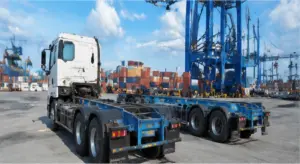
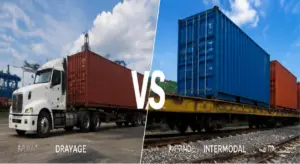
Drayage represents the specialized, short-haul truck transport of shipping containers between a port, a rail yard, an intermodal facility, and a nearby destination. In 2026, standard drayage costs are running between $300 and $900 per move/end. These rates remain heavily dependent on local terminal wait times and exact travel distances. This guide breaks down local transport pricing and provides actionable strategies to keep your logistics network predictable. At ENorth Logistics, we view port pricing through a practical, data-driven framework to help your company eliminate unexpected administrative charges.
Defining the Financial Realities of Drayage Trucking Rates in 2026
Managing a global distribution grid requires a clear understanding of the variable billing line items assessed at transport gates. Shippers frequently discover that general economic shifts can alter local truck availability much faster than expected. Gaining a transparent view of current marketplace pricing patterns keeps your supply chain highly resilient.
What is Drayage and Why Does Short-Haul Pricing Matter?
Local container transportation serves as the critical link connecting container ships and regional rail networks with inland commercial warehouses. While a long ocean voyage moves your goods across thousands of miles economically, the final short-haul highway leg can determine your overall profitability. Shippers must track these terminal maneuvers carefully to prevent their localized freight from stalling inside congested rail ramps.
And missing a single delivery timeline can trigger a chain reaction of administrative penalties across your entire operations grid. That is why mastering short-haul pricing is an essential lever for modern cost control.
Baseline Expectations for Local Container Transportation Costs
In the current freight market, securing local transportation requires budgeting for specific regional rate structures. Baseline moves generally incur flat local fees rather than standard over-the-road mileage rates.
Info: Local drayage operations typically handle distances under 80 to 100 miles from the origin ramp. If your delivery destination exceeds this regional boundary, carriers will transition your quote into standard mileage billing structures.
Core Sourcing Elements That Dictate Standard Drayage Trucking Rates
Your final transportation quote depends on a balanced blend of facility congestion metrics, vehicle availability, and specific product traits. Trucking lines must evaluate these field variables continuously to maintain profitable operations. Understanding these pricing variables lets your procurement team estimate their shipping overhead with extreme accuracy.
Travel Distance, Route Length, and Per-Mile Costs
Distance forms the primary baseline for any container transportation invoice. Short first and last mile hauls usually carry flat baseline rates to cover the driver’s basic time and equipment staging. However, when a route stretches toward distant inland industrial parks, the pricing transitions into mileage bands. Shippers must track these variable per-mile costs to calculate their total landed expenses accurately on extended hauls.
Port Terminal Turn Times and Local Congestion Delays
Port terminal congestion and slow driver wait times drive up overall shipping costs significantly. When a terminal experiences a high vessel backlog, drivers must idle in long terminal gate queues for multiple hours just to fetch a single container.
Trucking lines face heavy financial pressures from these delays because an idling truck cannot earn revenue on secondary runs. Consequently, carriers automatically assess port congestion surcharges and high wait-time fees to recover their lost labor hours. This dynamic causes indirect increases in your total terminal fees and port fees.
Equipment Access and Chassis Rental Realities
In today’s logistics environment, local chassis availability remains one of the largest variables in your transport budget. A shipping container cannot travel on public highways without a specialized wheeled chassis trailer. Sourcing a chassis locally can add separate daily rental or split-trip fees to your final invoice. If your provider must source the trailer from a separate storage yard, your business will face extra chassis split charges.
Specialized Cargo Categories and Permitting Fees
The physical nature of your merchandise alters the equipment and legal documentation your carrier must deploy. Standard container configurations work well for lightweight retail boxes, but specialized commodities attract premium container handling charges:
- Overweight Containers: These units demand specialized tri-axle chassis units to comply with federal bridge weight laws and avoid safety fines.
- Hazardous (Hazmat) Cargo: This freight requires drivers to hold specific operating credentials, deploy safety placards, and pay custom handling fees.
- Bonded Shipments: These loads demand secure carrier licenses and custom customs documentation to prevent legal delays.
Cost Breakdown Matrix for Commercial Intermodal Logistics
Analyzing separate line items on an invoice protects your business from unexpected administrative billing adjustments. Shippers who only account for the base rate often underestimate their true logistics expenses by a wide margin. Reviewing current marketplace benchmarks helps your team audit carrier quotes effectively.
The following chart outlines the standard fee structures observed across the North American container transport grid. These figures reflect the current market balance, which remains sensitive to changing energy costs and labor constraints.
Logistics Fee Category | Average Operational Cost Range (USD) | Primary Pricing Mechanism |
Local Base Drayage | $300 – $900 | Billed per individual container move/end |
Chassis Split / Usage | $50 – $100 | Assessed as a fixed daily trailer rental fee |
Pre-Pull Fee | $150 – $300 | Charged for overnight storage at the carrier lot |
Volatile Fuel Surcharge | 10% – 15% | Added to the base invoice to offset diesel prices |
Standard FTL Line-Haul | $1.50 – $2.85 | Billed using active per-mile costs |
Note: Variable fuel surcharge percentages adjust weekly based on national on-highway diesel price indexes. Shippers must verify these energy updates to ensure their freight invoices match live market data.
Your Step-by-Step Drayage Freight Quote Online Planning Guide
Securing an accurate transport estimate requires your procurement team to provide flawless cargo details during the initial inquiry. Entering vague or estimated dimensions into a digital platform results in expensive reclassification penalties and automated terminal delays. Following an organized data collection routine keeps your pricing completely transparent.
Gathering Vital Container Specifications and Total Weights
To secure an accurate drayage freight quote online, you must have your exact container details ready for review. Specify the precise container size, including 20-foot, 40-foot, 45-foot, or 53-foot configurations.
You must also declare the exact container weight before booking the run. Being explicitly clear if your payload is overweight allows the dispatcher to secure a specialized tri-axle chassis in advance, preventing roadside safety violations.
Scheduling Facility Appointments and Managing Port Logistics
Modern marine terminals and rail yards utilize strict gate scheduling systems to manage high traffic volumes. Shippers must verify whether their target pick-up or delivery terminal requires strict, limited-time appointments.
These facilities operate under the Uniform Intermodal Interchange & Facilities Access Agreement (UIIA) framework. Coordinating your pickup times with active customs clearance feeds ensures your driver clears the terminal gate without facing turn-away delays.
Balancing Accessorial Surcharges, Lumpers, and Driver Detention Limits
Managing your warehouse offloading times is essential for keeping your accessory fees low. Shippers must clarify if they need the transport driver to pay an external lumper crew to unload cargo at the final destination.
Furthermore, you must track how much free loading or unloading time is included in your contract. The industry standard usually allows 2 hours of free time at the dock before expensive driver detention fees begin to apply.
Verifying Bonded and Hazmat Carrier Credentials
If your inventory falls under custom customs bonds or chemical classifications, you must declare this data immediately. Moving these restricted commodities demands specific carrier licenses, verified documentation, and trained drivers. Verifying these credentials during the initial quote phase protects your company from border enforcement friction and expensive cargo impoundments.
The ENorth Logistics Approach to Transparent Container Management
Managing the complex rules of international trade requires working with a licensed provider focused on asset safety and digital visibility. ENorth Logistics provides premium transportation management solutions across Canada and the United States, keeping your open-deck and container transits seamless. We remove the operational stress of port logistics by managing your terminal appointments, checking your custom documents, and tracking your last free days before our trucks ever arrive at the harbor.
To protect your enterprise from rising legal exposures and cross-border friction, our team maintains active, audited operating credentials across every North American highway corridor:
- Active USDOT Registration: Full federal authorization to execute legal interstate commerce across all United States highways.
- Valid MC Authority: Active interstate carrier licensing to manage high-volume cross-border commercial freight moves.
- Ontario CVOR License: Active Commercial Vehicle Operator’s Registration to operate heavy equipment legally within Canadian transport corridors.
- IFTA Tax Compliance: Fully audited fuel tax reporting compliance across all state and provincial boundary lines.
Our team utilizes advanced digital tracking systems to provide real-time freight visibility from pickup to drop-off. We continuously monitor changing weather conditions, permit restrictions, and highway border delays to protect your corporate profit margins. Partnering with ENorth Logistics means choosing a professional team dedicated to your ongoing commercial success.
Conclusion
Succeeding in the competitive international trade market requires a disciplined approach to vehicle selection and terminal scheduling. Transitioning away from unmanaged, last-minute terminal bookings toward structured contract shipping agreements shields your business from expensive port fees and driver delays. By tracking your container lifecycles carefully, checking your local free time limits, and utilizing advanced multi-carrier tracking platforms, you can eliminate expensive terminal fees and container handling charges effortlessly.
The experienced container logistics specialists at ENorth Logistics are ready to build a more resilient distribution framework for your business. Our team handles the complex details of route planning, terminal port scheduling, carrier safety auditing, and custom border documentation so your staff can focus entirely on core commercial growth. Reach out to our customer support center today to execute a comprehensive lane performance audit, secure competitive volume contract pricing, and request an accurate quote for your next cargo run.
Frequently Asked Questions
What factors dictate baseline drayage trucking rates?
Drayage trucking rates are determined by a combination of baseline flat fees and variable destination adjustments. Your final invoice is driven heavily by the total travel distance, current port terminal turn times, and local chassis availability. Additional expenses can accrue if your container requires specialized handling for overweight or hazardous materials.
How do port fees and terminal fees impact short-haul shipping?
Port fees and terminal fees expand rapidly whenever local harbor terminals experience heavy vessel backlogs or high yard congestion. When trucks wait in long queues, carriers assess congestion surcharges to offset their lost driver hours. Shippers must track their last free days closely to avoid steep daily demurrage penalties at the terminal gate.
Why do carriers apply a fuel surcharge to drayage invoices?
Carriers apply a variable fuel surcharge to protect their operational profit margins from volatile diesel fuel prices. When national on-highway diesel averages experience upward inflationary trends, this percentage fee scales up automatically to cover the extra pump expenses. Tracking these energy updates ensures your shipping estimates remain completely accurate.
How can I secure an accurate drayage freight quote online?
You can secure an accurate drayage freight quote online by providing your exact container size, total cargo weight, and specific commodity type to your logistics provider. It is vital to note whether your target facility requires strict UIIA scheduling appointments. Providing precise information prevents unexpected driver detention fees and terminal loading delays.