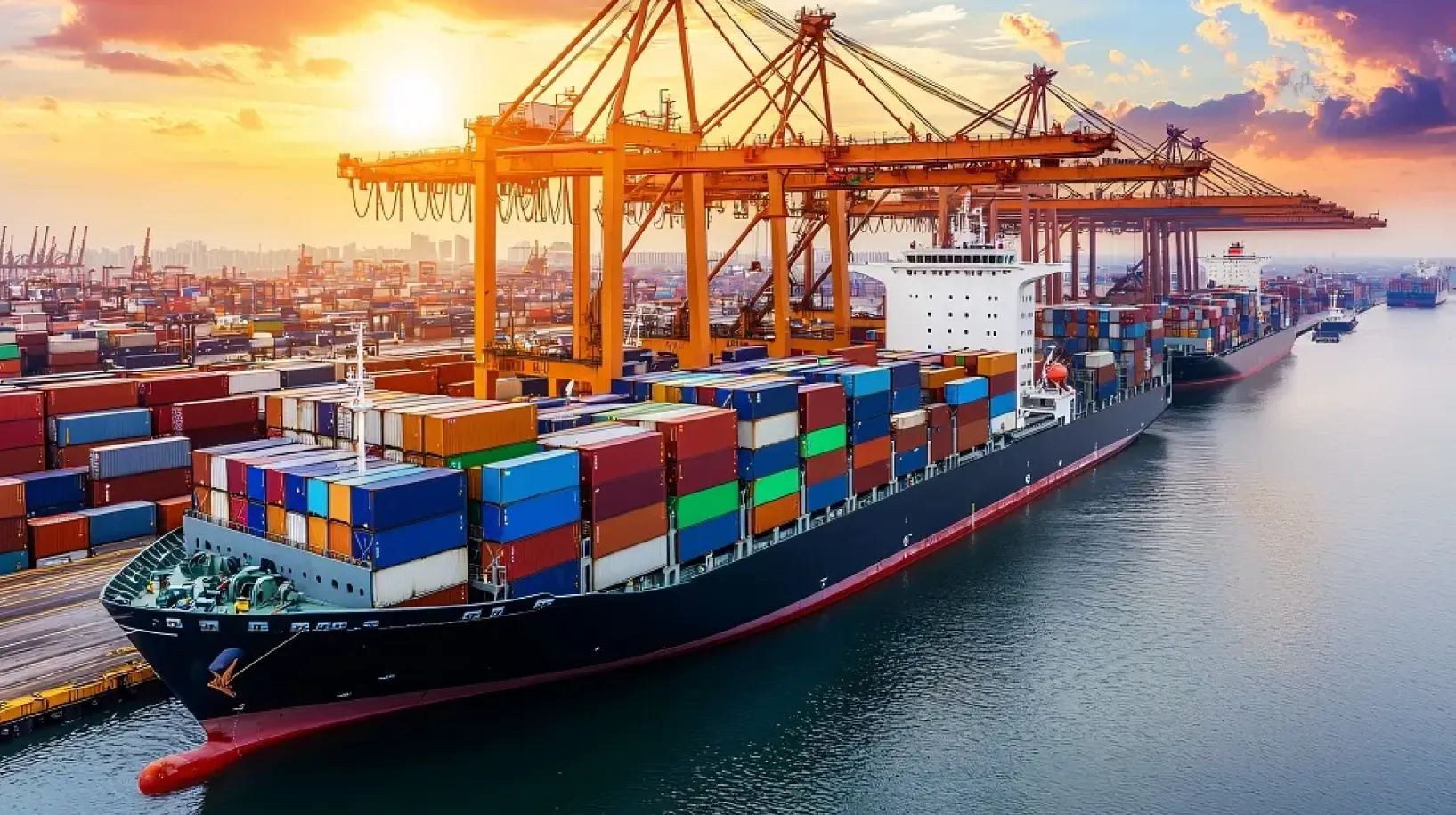
When freight delays or inventory mismatches occur in a supply chain, the impact extends beyond logistics. It disrupts revenue flow and customer trust. A transportation cost increase on a critical shipping lane can affect inventory availability, customer service performance, fulfillment efficiency, and overall profitability across an organization.
For logistics leaders, understanding what affects freight rates in Canada is essential for controlling transportation expenses and improving operational planning. Freight pricing is influenced by a complex combination of shipment characteristics, carrier capacity, market demand, fuel costs, geographic challenges, and service requirements.
According to industry insights from Gartner Supply Chain, FreightWaves, and CSCMP, transportation spend remains one of the largest supply chain cost categories for manufacturers, distributors, retailers, and ecommerce businesses. Organizations that understand freight pricing drivers are better positioned to optimize logistics costs while maintaining service reliability.
ENorth Logistics supports more than 500+ shipments monthly through an integrated Canada-USA logistics network supported by 98.7% on-time delivery performance, 24/7 live tracking support, and 99.999% operational reliability.
Despite advances in transportation technology, many businesses continue to struggle with fragmented freight planning, inconsistent carrier communication, and limited shipment visibility that make freight costs difficult to predict and manage.
Why Modern Supply Chains Are Struggling With Freight Visibility and Fulfillment Delays
Freight pricing challenges often originate from broader operational inefficiencies throughout the supply chain.
A Supply Chain Manager operating multiple warehouses may lack real-time visibility into inventory availability, resulting in reactive transportation decisions and higher freight costs. Without synchronized inventory data, shipments may move before consolidation opportunities are identified.
An ecommerce operator managing multiple carriers frequently encounters inconsistent tracking information, making transportation planning more difficult. Delayed shipment visibility often creates customer service challenges and fulfillment bottlenecks.
Warehouse teams experience similar issues when Transportation Management Systems (TMS) and Warehouse Management Systems (WMS) operate independently. Inventory synchronization delays can result in expedited shipping requests, fragmented freight movement, and increased transportation expenses.
Cross-border shipments introduce additional complexity. Customs documentation, compliance requirements, and carrier handoffs can create delays that impact transportation performance and overall freight costs.
These operational gaps make it difficult for organizations to understand why transportation rates fluctuate and how freight optimization opportunities can be identified.
Why Shipment Characteristics Have the Greatest Impact on Freight Pricing
The most direct factor affecting freight costs is the shipment itself. Understanding How LTL Freight Pricing Works in Canada can help businesses identify the factors that influence shipping costs and improve transportation planning.
Carriers evaluate shipments based on weight, dimensions, density, freight classification, and handling requirements. These characteristics influence how efficiently freight can move through transportation networks and how much trailer capacity is consumed.
Large but lightweight shipments often generate higher transportation costs because they occupy valuable trailer space. Similarly, fragile products requiring specialized handling typically receive higher freight classifications.
Shipment Factors That Affect Freight Rates
| Factor | Impact on Pricing | Operational Consideration |
|---|---|---|
| Weight | Higher weight increases cost | Influences transportation capacity |
| Dimensions | Larger freight costs more | Impacts trailer utilization |
| Freight Class | Higher class increases rates | Based on density and handling |
| Product Type | Specialized freight costs more | May require special equipment |
| Packaging Quality | Affects damage risk | Influences carrier handling |
Organizations that optimize packaging, improve freight density, and accurately classify shipments often reduce transportation costs without sacrificing service quality.
ENorth Logistics supports freight optimization through integrated transportation planning and shipment visibility systems designed to improve operational efficiency across freight networks. For a more detailed breakdown of freight classifications, pricing variables, and transportation costs, explore our LTL Freight Rates Guide.
Migrate to an integrated logistics system with ENorth Logistics’ freight, warehousing, and fulfillment platform. Explore solutions here.
Why Geography and Lane Density Create Major Pricing Differences
Canada’s geography plays a significant role in transportation pricing. Businesses shipping across Canada can Compare Carrier Rates in Canada to identify the most cost-effective carrier based on route, transit time, and service requirements.
Unlike densely populated transportation corridors, many Canadian shipping routes involve long distances, lower freight volumes, and limited carrier availability. These factors influence carrier pricing structures and transportation capacity utilization.
High-density lanes such as Toronto to Montreal often benefit from strong competition among carriers and frequent freight movement. As a result, transportation rates on these corridors tend to be more competitive.
Conversely, shipments moving into remote regions of Northern Ontario, Western Canada, or low-density destinations frequently generate higher transportation costs. Carriers may need to account for deadhead mileage, reduced backhaul opportunities, and longer transit distances.
ENorth Logistics manages transportation across Canada and the United States through a unified logistics platform supported by carrier partners including Purolator, DHL Freight, FedEx Freight, XPO Logistics, and TForce Freight. This network helps businesses access transportation capacity across diverse shipping lanes while maintaining shipment visibility.
For Transportation Managers and Procurement Leaders, understanding lane density is critical when evaluating transportation budgets and network design strategies.
Migrate to an integrated logistics system with ENorth Logistics’ freight, warehousing, and fulfillment platform. Explore solutions here.
Why Fuel Surcharges and Market Demand Cause Freight Rate Volatility
Freight rates are heavily influenced by market conditions.
Fuel represents one of the largest operating expenses for transportation providers. As diesel prices fluctuate, carriers adjust fuel surcharges to reflect changing operating costs. These adjustments directly affect transportation invoices and freight budgeting.
Freight demand also plays a major role in pricing. When shipping demand exceeds available carrier capacity, transportation rates typically increase. During peak retail seasons, agricultural harvest periods, and periods of strong economic activity, capacity constraints often drive freight costs higher. Before selecting a carrier, use our Compare LTL Freight Rates Guide to evaluate pricing strategies and make more informed freight decisions.
Conversely, periods of lower demand may create opportunities for more competitive carrier pricing.
Major Market Drivers of Freight Costs
| Market Factor | Impact on Freight Rates |
|---|---|
| Fuel Prices | Higher fuel increases surcharges |
| Carrier Capacity | Limited capacity raises rates |
| Seasonal Demand | Peak periods increase costs |
| Driver Availability | Labor shortages affect pricing |
| Economic Conditions | Influence freight volume |
| Equipment Availability | Impacts transportation supply |
Organizations relying on reactive transportation planning often face greater exposure to market volatility than businesses using proactive freight management strategies.
ENorth Logistics helps businesses improve freight visibility and transportation planning through integrated logistics services that support more predictable operations.
Migrate to an integrated logistics system with ENorth Logistics’ freight, warehousing, and fulfillment platform. Explore solutions here.
Why Accessorial Charges and Service Requirements Increase Total Freight Costs
Many organizations focus on base transportation rates while overlooking the impact of accessorial charges.
Accessorial fees apply when shipments require services beyond standard dock-to-dock transportation. Common examples include liftgate services, residential delivery, inside delivery, appointment scheduling, temperature-controlled transportation, and specialized handling.
These charges can significantly increase total transportation spend when they are not identified during the planning process.
Cross-border shipments may also incur additional costs associated with customs clearance, documentation processing, duties, taxes, and regulatory compliance requirements.
For ecommerce businesses shipping inventory to Amazon FBA facilities, compliance requirements can create additional operational considerations. Incorrect labeling, packaging, or documentation can delay receiving processes and increase transportation expenses.
ENorth Logistics supports freight execution through integrated transportation, warehousing, fulfillment, and compliance workflows that help businesses improve shipment accuracy while reducing avoidable transportation costs.
Organizations that centralize logistics planning typically gain greater visibility into total landed transportation costs and improve freight management outcomes.
Migrate to an integrated logistics system with ENorth Logistics’ freight, warehousing, and fulfillment platform. Explore solutions here.
Why Integrated Logistics Operations Improve Freight Cost Control
Transportation costs cannot be managed effectively when freight planning operates independently from warehousing, inventory management, and fulfillment operations.
Inventory inaccuracies frequently create urgent shipping requests that increase transportation expenses. Warehouse delays often result in missed pickup appointments and reduced carrier efficiency.
ENorth Logistics addresses these challenges through multi-service logistics integration that combines freight transportation, warehousing, fulfillment, inventory visibility, and shipment tracking within a unified operational platform.
Real-time WMS inventory scanning and SKU-level tracking improve inventory synchronization while supporting more efficient transportation planning. Businesses gain greater control over freight movement, carrier coordination, and fulfillment workflows.
This integrated approach helps organizations reduce transportation inefficiencies while improving shipment visibility across Canada-USA supply chains.
Migrate to an integrated logistics system with ENorth Logistics’ freight, warehousing, and fulfillment platform. Explore solutions here.
ENorth Logistics Editorial Expertise
ENorth Logistics’ editorial insights are developed by professionals with hands-on experience in freight transportation, warehouse operations, and supply chain optimization across Canada and the United States. Our perspective is grounded in real logistics execution environments, not theoretical supply chain models.
Conclusion
Global supply chains are under increasing pressure from rising freight costs, delivery expectations, inventory complexity, and transportation market volatility. Understanding what affects freight rates in Canada allows organizations to make more informed decisions about transportation planning, carrier selection, inventory management, and logistics network design.
The future of freight management will increasingly rely on AI-powered routing, predictive transportation planning, warehouse automation, inventory synchronization, and real-time freight orchestration. Businesses that improve shipment visibility and operational coordination will be better positioned to manage transportation costs effectively. Whether you’re shipping regionally or across the Canada-USA border, our LTL Freight Services provide reliable transportation solutions supported by real-time tracking and nationwide carrier coverage.
At ENorth Logistics, we help businesses simplify freight transportation, warehousing, fulfillment, and cross-border logistics through an integrated operational platform designed to improve visibility, reliability, and efficiency. Our unified Canada-USA logistics network provides the tools and expertise needed to navigate changing transportation markets while maintaining strong service performance.
ENorth Logistics helps businesses simplify freight, fulfillment, and warehousing operations across Canada and the USA. Get a logistics quote today.