Shipping goods across international borders requires a clear, well-structured distribution plan. If you fail to organize your local container pickups and long-distance travel lanes, your freight budget can vanish quickly. Many warehouse operations teams face severe supply chain bottlenecks because they pick their over-the-road equipment randomly. Choosing the correct transport setup protects your inventory from logistics friction and ensures your products reach customer shelves predictably.
Overland transport relies on distinct vehicle configurations to handle heavy metal shipping containers safely. Shippers frequently discover that general economic shifts can alter truck availability much faster than expected.
At ENorth Logistics, we look at container transportation through a practical, data-driven framework. This guide explores the direct comparison between Drayage vs Intermodal Trucking to help your company eliminate delivery blind spots and maximize logistics efficiency.
Breaking Down the Fundamentals of Drayage vs Intermodal Trucking
Managing a successful distribution network requires a clear knowledge of the specific entities that move cargo across the country. Sourcing the right trailer type keeps your daily dock operations highly efficient and helps control final delivery costs.
While both shipping options focus entirely on moving heavy shipping containers, they serve fundamentally different purposes within your network. Matching your weekly volumes to the correct model eliminates unexpected handling fees along key lanes.
The Specialized Function of Local Drayage Trucking Methods
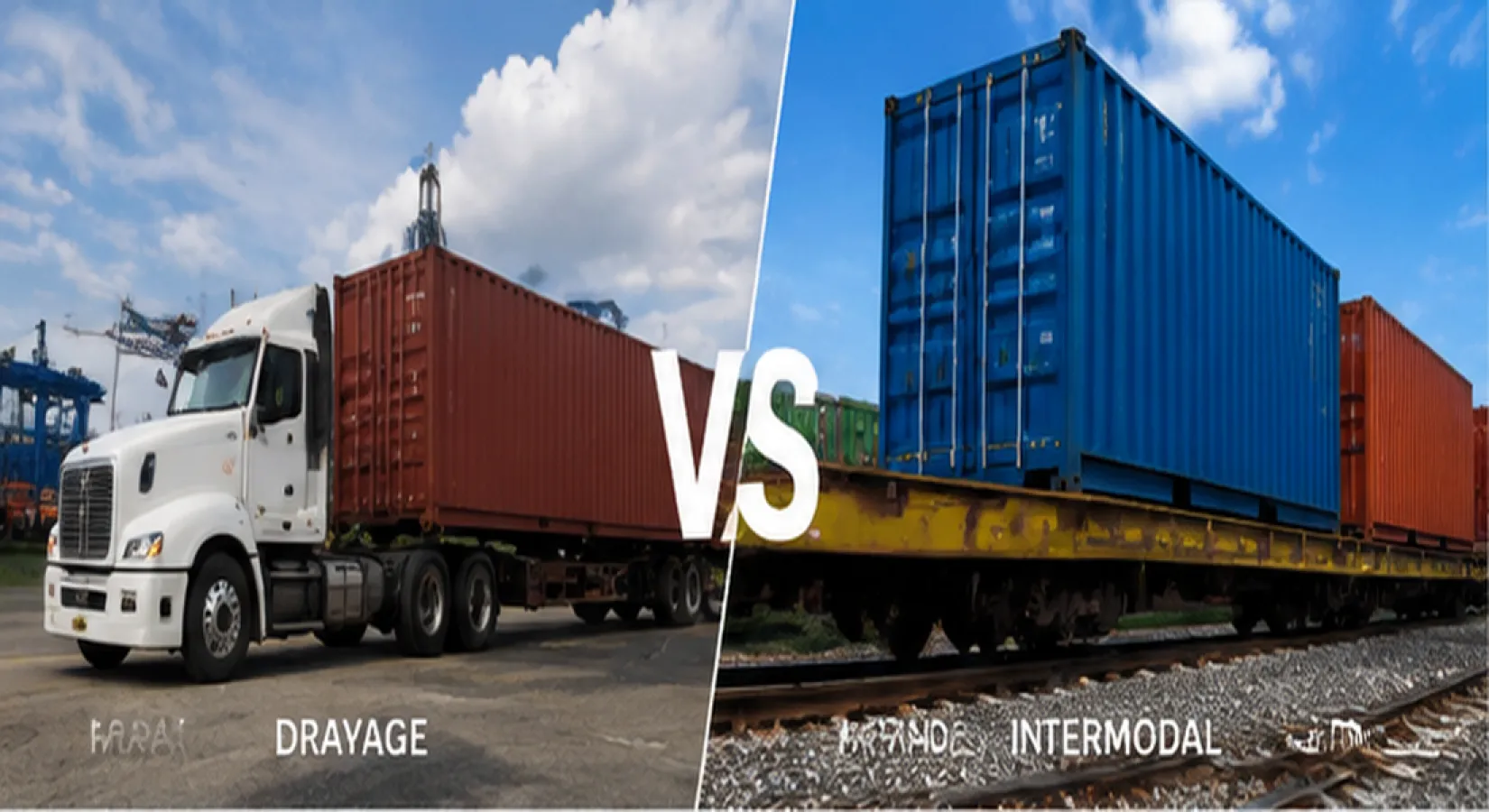
Drayage represents a highly specialized, short-haul trucking method that moves containerized cargo over very brief distances. This process typically connects local transport nodes within the same metropolitan area or routes products to a nearby distribution hub. It serves as the primary connector for port-to-warehouse transport and is essential for clearing out crowded marine yards.
The operational boundaries of local drayage runs generally remain under 80 to 100 miles on a single trip. Because these trips are short, a single local driver can complete multiple terminal runs in a single shift. Shippers deploy these targeted services to handle rapid container transfers, execute local cross-docking maneuvers, and return empty steel containers to port storage depots.
The Long-Distance Blueprint of Multimodal Freight and Intermodal Trucking
Intermodal transport relies on multiple modes of transit to move goods across vast continental distances efficiently. This system utilizes a strategic blend of heavy rail lines, ocean cargo ships, and commercial highway trucks to complete long-haul runs. The primary feature of this shipping method is that the freight remains locked inside the original container during the entire journey, which means the cargo is never handled or unloaded between transfers.
This long-distance transport system works best for freight routes that span over 500 miles or 800 kilometers across North America. Utilizing a robust rail freight connection lets your business bypass the driver capacity constraints that frequently plague long-haul highway lanes. Furthermore, combining rail and road transportation delivers an exceptionally sustainable alternative for high-volume, non-time-sensitive corporate inventory.
Core Operational Comparisons for Strategic Supply Chains
Selecting the ideal transport mix requires comparing the technical traits and cost structures of each mode side-by-side. Shippers must analyze their cargo arrival deadlines against the physical speed limits of regional infrastructure.
Comparing Transit Distances and Equipment Sourcing Controls
The physical path your cargo takes through the continent depends on your initial equipment choice. Review this scannable reference matrix to see how each method performs across essential container logistics metrics:
Operational Feature Benchmark | Localized Drayage Services | Intermodal Trucking Networks |
Typical Target Distance | Short-haul runs under 80 to 100 miles | Long-distance corridors over 500 miles |
Primary Mode Architecture | Strictly local road transportation | Multimodal freight (Combines truck and rail) |
Main Asset Facility Focus | Marine ports, rail terminals, and warehouses | Cross-country rail lines and container yards |
Cargo Handling Risk | Low risk due to single dedicated run | Minimal risk because the container stays sealed |
Equipment Availability | Tied to local chassis provider depots | Dependent on rail car supply and crane links |
Info: Intermodal volumes have risen above historical averages as shippers look to lower their long-haul costs. Moving freight onto rail systems shields your business from the extreme spot market volatility found on public highways.
Managing Financial Cost Variables and Last Free Day Deadlines
Executing efficient container moves requires your staff to maintain strict timing control over their terminal schedules. For local drayage operations, the primary challenge centers on avoiding expensive port storage penalties and chassis rental upcharges.
Ocean terminals enforce strict storage limits and track your exact Last Free Day (LFD) metrics closely. If your drayage provider misses the LFD deadline for an import pickup, the port will assess steep daily demurrage fines that quickly erode your project profits.
Missed Port Pickup Slot → Exceed Last Free Day → Steep Daily Demurrage Fines
Intermodal shipping scales your transport expenses differently. Because trains handle the long linehaul portion of the trip, your total cost per mile drops dramatically on long routes. This setup is highly cost-effective because it lowers your exposure to volatile highway fuel surcharges and driver labor inflation.
But your team must account for specialized accessorial fees, such as chassis split charges or flip fees at the rail yard, when building your annual budgets.
How These Shipping Methods Intersect in Global Trade Networks
In practical logistics planning, these two transportation formats do not compete against each other for lane dominance. Instead, they function as overlapping, dependent links within an integrated international supply chain.
The Journey of an Import Container Through North American Lanes
To understand how these methods cooperate, let us trace the path of an international container arriving from an overseas manufacturer. Shippers must coordinate these transfers carefully to keep their total landed costs under control.
A standard international supply chain run uses a series of integrated steps to move freight smoothly:
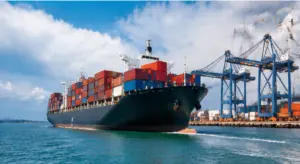
- The Marine Port Arrival: The cargo ship anchors at a major terminal like the Port of Vancouver or the Port of Montreal, where crane crews unload the container onto the dock.
- The Import Drayage Stage: A local port truck picks up the container and executes a quick port-to-warehouse transport run to deliver the box to a nearby rail ramp.
- The Intermodal Rail Linehaul: The container is locked onto a specialized rail car, and an intermodal train carries the payload thousands of miles across the country.
- The Final Last-Mile Delivery: Once the train reaches the inland terminal, another localized drayage truck hooks up the container and pulls it directly to your customer’s receiving dock.
Note: Every international intermodal move relies on an efficient drayage truck at both ends of the rail line to complete the journey. A delay at either terminal gate will stall the entire cross-country distribution cycle.
Strategic Sourcing Framework – Choosing the Right Container Transportation Solution
Your final asset selection should align with your favorite customer delivery timelines, cargo weights, and distance parameters. Shippers must implement a systematic container logistics comparison protocol to ensure they do not overpay for empty trailer space.
When to Prioritize Localized Drayage Services
Your company should invest in localized drayage services when your primary distribution targets sit within the immediate metropolitan area of an active port or rail yard. This short-haul setup is designed specifically for fast-moving workflows like cross-docking, container stripping, and warehouse sorting.
It is also the correct path when your team faces tight port cutoff times and must return empty steel containers to clear your accounts before late penalties accrue. Drayage gives you immediate, highly flexible control over localized container positioning.
When to Utilize Long-Haul Intermodal Shipping Infrastructure
Your organization should shift its freight onto intermodal shipping lines when moving heavy product volumes across distances exceeding 500 miles. It represents the most economical choice for cross-border shipping lanes and coast-to-coast retail distribution.
If your delivery schedules are slightly flexible and can handle a longer transit window, rail networks provide excellent reliability. Choosing this mode helps your business achieve its green corporate initiatives by reducing transportation carbon emissions significantly.
Technical Sourcing Advantages – Comparing Equipment Assets
Matching your product dimensions with the right trailer design prevents highway safety violations at regional scale checkpoints. Review the core equipment layouts that carriers deploy on your shipping lanes:
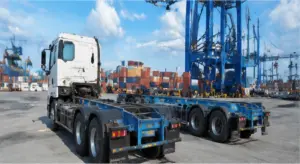
- Standard Container Chassis: A heavy-duty steel frame equipped with twist locks to secure standard 20-foot or 40-foot ocean containers safely on public roads.
- Extendable Chassis Systems: Flexible trailers that can slide open mechanically to accommodate variable container lengths on a single run.
- Tri-Axle Slider Configurations: Specialized three-axle chassis built specifically to support heavy, dense cargo loads while remaining compliant with federal bridge weight laws.
The ENorth Logistics Asset Protection Standard
Managing a complex container network requires working with a licensed provider focused on asset safety and digital visibility. Our company simplifies your regional distribution by combining advanced software tracking with strict driver compliance standards. We remove the operational stress of freight management by checking your container classifications, planning your rail routes, and auditing your accessory needs before our trucks ever arrive at your gate.
To guarantee complete peace of mind, our organization maintains active legal credentials across all North American highway corridors:
- Active USDOT Registration: Authorized for legal interstate transport across all U.S. highways.
- Valid MC Authority: Active commercial operating authority for cross-border logistics.
- Ontario CVOR License: Active Commercial Vehicle Operator’s Registration for safe Canadian transits.
- Complete IFTA Compliance: Audited fuel tax reporting safety across all state and provincial lines.
Our team utilizes advanced digital tracking systems to provide real-time freight visibility from pickup to drop-off. We continuously monitor changing weather conditions, permit restrictions, and highway border delays to protect your corporate profit margins. Partnering with ENorth Logistics means your commercial cargo is fully protected by a professional, technology-driven transportation network.
Conclusion
Succeeding in the competitive international trade market requires a disciplined approach to vehicle selection and terminal scheduling. Sourcing the right combination of localized drayage services and long-haul intermodal rail networks shields your corporate ledger from sudden spot market inflation. By tracking your container lifecycles carefully, checking your local free time limits, and utilizing advanced multi-carrier tracking platforms, you can eliminate expensive terminal penalties effortlessly.
The experienced container logistics specialists at ENorth Logistics are ready to build a more resilient distribution framework for your business. Our team handles the complex details of route planning, port scheduling, and carrier safety auditing so your staff can focus entirely on core commercial growth. Reach out to our customer support center today to execute a thorough lane performance audit, secure competitive volume contract pricing, and request an accurate quote for your next cargo run.
Frequently Asked Questions About Drayage vs Intermodal Trucking
What is the primary distinction when evaluating drayage vs intermodal trucking?
The primary distinction when evaluating Drayage vs Intermodal Trucking centers on total travel distance and the number of transport modes used. Drayage focuses strictly on the short-haul road movement of a container over short distances, usually under 100 miles. Intermodal trucking covers the local truck segments of a much longer cross-country shipment that uses rail or cargo ships to complete the trip.
Why does intermodal transport lower long-distance shipping costs?
Intermodal transport lowers costs because trains can move hundreds of containers simultaneously using a fraction of the fuel needed for individual over-the-road trucks. Shifting the long linehaul segment onto rail tracks lowers your exposure to highway spot rate spikes and driver labor shortages. This systematic pooling delivers excellent cost-efficiency for routes over 500 miles.
How do port storage fees impact local drayage operations?
Port storage fees alter your drayage budget directly if your warehouse team experiences pickup delays. Marine gates enforce strict free time limits, and exceeding your Last Free Day triggers automated daily demurrage penalties. Drayage dispatchers must schedule precise terminal appointments to clear containers out quickly before these extra charges accrue.
Can a business execute cross-border shipping using intermodal rail lines?
Yes, a business can easily execute cross-border shipping using intermodal rail lines to move containers between Canada, the United States, and Mexico. This multimodal framework allows containers to pass through international borders efficiently at designated rail ports. Shippers combine these rail runs with local drayage trucks to handle the final warehouse deliveries.