Running a successful commercial enterprise requires an efficient international logistics strategy. Shippers frequently discover that unexpected transit delays can alter arrival schedules much faster than expected. Managing an international supply chain means choosing the most efficient transport routes for your raw materials and finished products. Selecting an improper transport method can inflate your overhead costs and leave your retail shelves empty.
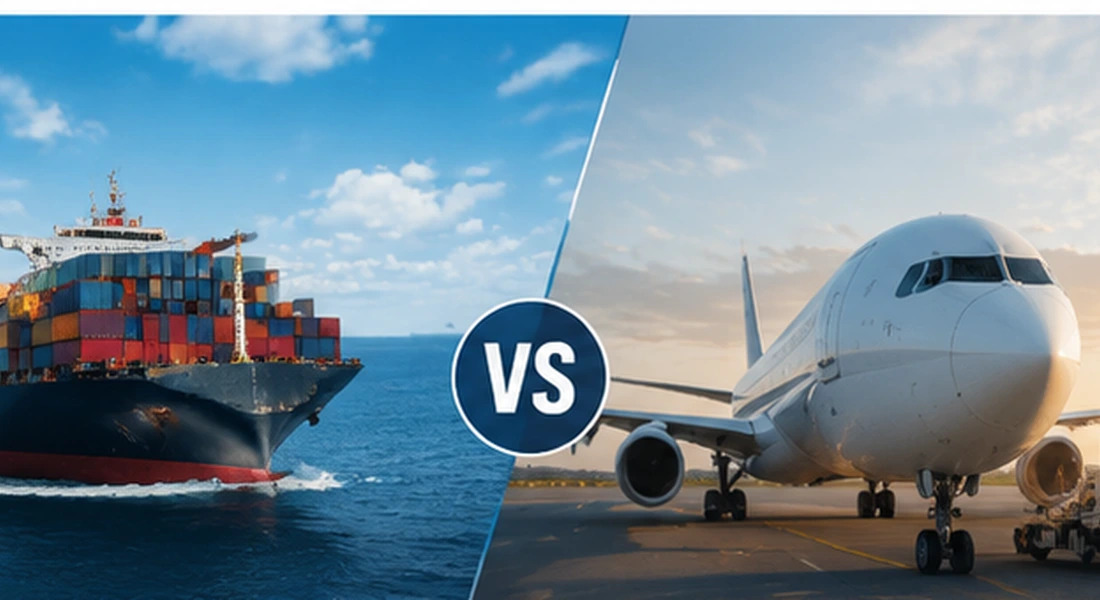
The modern global marketplace requires careful coordination between distinct transport fleets. Shippers must analyze the core differences between ocean vessels and cargo planes to protect their working capital. At ENorth Logistics, we look at global shipping channels through a practical, data-driven framework. This guide explores the direct comparison of sea freight vs air freight along with the critical choice of FCL vs LCL shipping to keep your logistics operation predictable.
Understanding the Core Shipping Modes for Global Trade
Selecting the best transportation network depends on matching your specific inventory metrics with the proper vehicle asset class. Shippers must evaluate how different shipping modes handle commercial cargo to avoid distribution friction. Let us look closely at how these separate transport networks operate under daily supply chain demands.
The Operational Baseline of Air Cargo Networks
Air transportation relies on dedicated freighter jets and commercial passenger aircraft to move cargo across international borders quickly. This method treats speed as the ultimate performance benchmark, allowing companies to fulfill orders within a highly condensed timeline. Air cargo networks use daily flight departures to maintain flexible capacity allocation across major international airports. Shippers select air cargo when avoiding facility downtime or satisfying immediate retail deadlines is the top corporate priority.
The Structural Framework of Sea Freight Services
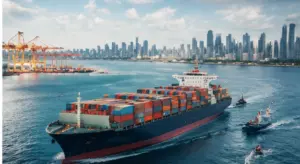
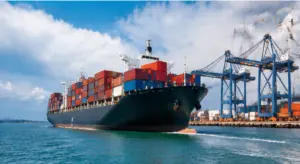
Ocean transportation uses massive container ships to haul heavy cargo across international waterways via fixed sailing schedules. This method represents the structural backbone of global trade, moving roughly 90 percent of all international commodities by volume. Sea freight networks route inventory through major marine ports utilizing standardized ocean containers. Shippers deploy ocean shipping when moving heavy, bulky, or high-volume items over long distances where lead times are planned and predictable.
Direct Cost-Efficiency and Transit Time Comparison in 2026
Balancing your financial budget against your delivery deadlines is a primary focus for modern logistics coordinators. Global trade routes are experiencing significant volatility this year due to shifting energy costs and regional infrastructure restrictions. Evaluating these shifting market indicators helps your team maintain an excellent transit time comparison ledger.
- Air Transit Windows: 1 to 5 Days Globally
- Sea Transit Windows: 20 to 45+ Days Depending on Route Lanes
Recent maritime market updates reveal that ongoing Red Sea disruptions have altered standard ocean lane routing significantly. Most major carriers are detouring around the Cape of Good Hope, which consumes roughly 15 percent of global container capacity. This routing adjustment adds 10 to 14 days of extra travel time to Asia-to-Europe and Asia-to-US-East-Coast lanes. Shippers must account for these extended transit timelines when calculating their weekly warehouse replenishment cycles.
Review this scannable reference guide to see current 2026 pricing and transit metrics across primary global trade lanes:
Shipping Corridor Lane | Transport Mode Choice | Average Market Cost (USD) | Standard Transit Time |
Shanghai to Los Angeles | Ocean FCL (40ft Container) | $2,200 – $3,800 | 14 – 18 Days |
Shanghai to Los Angeles | Ocean LCL (per CBM) | $45 – $80 | 18 – 22 Days |
Shanghai to Los Angeles | Air Freight (per kg) | $2.50 – $4.50 | 2 – 4 Days |
Shanghai to New York | Ocean FCL (40ft Container) | $3,200 – $5,500 | 28 – 35 Days (via Cape) |
Shanghai to New York | Ocean LCL (per CBM) | $65 – $110 | 32 – 40 Days (via Cape) |
Shanghai to New York | Air Freight (per kg) | $3.00 – $5.00 | 2 – 4 Days |
Note: Ocean freight rates are down roughly 70 percent from historical pandemic peaks due to a 3.6 percent expansion in global fleet capacity. However, seasonal spikes can still add short-term premiums during busy shipping quarters.
Breaking Down Volumetric Weight Restrictions
Air freight carriers enforce strict weight and volume pricing rules because plane cargo holds possess limited physical space. Airlines calculate your final invoice using whichever metric is larger between your actual scale weight and the calculated volumetric weight.
To find this metric, multiply your package dimensions in centimeters and divide the total by a standard index factor of 6000. If your product is lightweight but bulky, these dimensional weight rules can trigger high volumetric penalties on air routes.
Determining the Economic Break-Even Point
The financial calculus of choosing between air and ocean shipping has shifted noticeably this year. In past shipping seasons, air freight was reserved exclusively for small parcel items under 100 kilograms.
Because ocean transit times are longer and face frequent carrier surcharges, the break-even crossover point has shifted down. For urgent or time-sensitive inventory, air shipping becomes the more economical choice for dense cargo packages weighing between 300 and 400 kilograms. Beyond that volume threshold, the superior cost scalability of sea freight consistently wins the budget battle.
Evaluating Cargo Suitability and Supply Chain Risk
Selecting the right transport mode requires a close analysis of your specific product architecture and safety requirements. Shippers must evaluate cargo suitability traits to avoid product damage during long international journeys. Let us look at the primary product groups best suited for each mode of travel.
Review these target commodity classes to align your inventory choices with the best transportation grid:
- Air Freight Priorities: High-value consumer electronics, sensitive pharmaceuticals, fresh perishables, seasonal luxury fashion apparel, and emergency machinery replacement parts.
- Sea Freight Foundations: Heavy industrial machinery, bulk commodities, house furniture, construction materials, automotive assemblies, and non-perishable inventory restocking lines.
Info: Air shipping features fewer manual handling touchpoints and shorter travel windows, which heavily reduces the risk of cargo damage or warehouse theft. Logistics experts recommend utilizing air cargo networks for any commercial cargo valued over $50 per kilogram.
Deep Sourcing Analysis – FCL vs LCL Shipping
If your procurement team chooses sea freight as your main transport option, you must make a secondary choice between different ocean trailer models. Shippers must analyze the physical layout of an intermodal container to protect their balance sheets from unexpected dead space fees. Let us evaluate how these two primary container distribution methods perform under everyday supply chain pressures.
Full Container Load for Direct Port-to-Port Movements
Full Container Load (FCL) shipping means your business secures exclusive use of an entire 20-foot or 40-foot ocean container shell. This method represents the ultimate choice when your total shipment volume exceeds 15 to 20 cubic meters (CBM).
Review the primary operational advantages of an FCL strategy:
- Lower Unit Costs: Renting the entire container provides a lower cost-per-item ratio compared to shared alternatives.
- Direct Port Transit: Your container moves directly from the loading origin to the target port of discharge without intermediate hub stops.
- Maximum Security: The steel container is sealed with a heavy security tag at the factory and remains closed until it enters your facility yard, minimizing product damage risks.
Less than Container Load and Container Consolidation Needs
Less than Container Load (LCL) shipping consolidates smaller pallet quantities from multiple separate companies inside a single shared container. This method works perfectly when you have smaller shipments that measure under 10 to 15 cubic meters. Shippers only pay for the exact physical space their goods occupy, providing low upfront costs for growing brands.
However, the container consolidation workflow requires extra cargo handlings at specialized port warehouses. Workers must pack the container at the origin port and unpack the pallets at the destination terminal. These extra warehouse consolidation steps mean that LCL transits generally take longer and carry higher per-unit landed costs than standard FCL runs.
Sourcing Logistics Strategies for Maximum Supply Chain Resilience
Succeeding in a highly volatile international market requires implementing disciplined warehouse habits and using advanced data tools. Shippers who ignore administrative billing details often face frequent customs holds and unexpected detention adjustments. Working closely with an experienced freight forwarder keeps your distribution channels clear of roadside friction.
Review these best practices to optimize your supply chain management program:
- Enforce Absolute Documentation Accuracy: Customs clearance delays are frequently caused by small documentation errors rather than actual legal issues. Ensure your commercial invoices, packing lists, and your formal bill of lading are flawless before your truck arrives at the port terminal.
- Master Your Active Incoterms: Clearly outline the exact financial risks and costs between the buyer and the seller inside your purchase agreements. Know whether your project relies on FOB (Free On Board) or CIF (Cost, Insurance, and Freight) rules to keep your cargo insurance metrics fully accurate.
- Deploy Agile Hybrid Shipping Models: Protect your logistics budget by mixing transport options. Ship 70 to 80 percent of your baseline inventory via cost-effective ocean lanes, while holding back a small air freight buffer to handle sudden customer demand spikes.
Conclusion
Protecting your corporate transportation budget requires a disciplined approach to equipment selection and documentation accuracy. Sourcing a balanced mix of air cargo speed and sea freight economy shields your business ledger from sudden spot market inflation. By implementing precise pallet weight verification, tracking your volumetric metrics, and selecting the right container configuration, you can eliminate expensive port penalties while keeping your client deliveries perfectly on time.
The dedicated transport management specialists at ENorth Logistics are ready to build a more resilient distribution framework for your business. Our team handles the complex details of route optimization, customs clearance, and carrier safety auditing so your staff can focus entirely on core commercial growth. Reach out to our customer support center today to execute a comprehensive lane cost audit, evaluate your transit timelines, and secure a competitive volume contract quote for your next cargo run.
Frequently Asked Questions
When should a company choose air freight over sea freight?
A company should choose air freight when transporting highly time-sensitive, perishable, or high-value commodities that require rapid delivery within a 1-to-5-day window. Air shipping minimizes your regional warehousing costs and provides superior security for lightweight items under 300 kilograms. It is the gold standard for avoiding assembly line shutdowns and managing just-in-time inventory turnarounds.
What is the primary difference between FCL vs LCL shipping?
The primary difference between FCL vs LCL shipping centers on whether your business has exclusive use of the ocean container shell. FCL shipping gives you exclusive access to an entire 20-foot or 40-foot container, which reduces product handling steps and lowers unit costs for large volumes. LCL shipping consolidates small pallet loads from multiple companies inside a single container, allowing you to pay only for the exact space you use.
Why do Red Sea routing adjustments extend ocean transit times in 2026?
Red Sea routing adjustments extend transit times because cargo ships must detour around the Cape of Good Hope to avoid regional security risks. This longer maritime voyage consumes roughly 15 percent of global container capacity and adds 10 to 14 days of extra travel time to Asia-to-US lanes. Shippers must factor these extended ocean timelines into their broader logistics forecasts.
How does volumetric weight alter international air transport costs?
Volumetric weight alters costs because air carriers charge your account based on whichever metric is larger between actual scale weight and package volume. Lightweight, bulky items take up large amounts of airplane cargo space without adding physical weight. Measuring your boxes accurately and optimizing your product packaging prevents expensive dimensional weight penalties on your final transport invoice.