Managing a modern international supply chain requires a strict focus on your operational expenditure. For businesses importing large volumes of raw components or finished merchandise, shipping via ocean lanes represents the most viable pathway to protect profit margins. However, establishing a predictable budget is increasingly difficult when global maritime shipping channels face ongoing structural shifts. Shippers frequently discover that unexpected port congestion and changing energy indexes can alter their final delivery invoices much faster than expected.
Overland transport links and transoceanic shipping routes form the core infrastructure of the international trading system. Gaining transparent visibility over real-time sea freight rates is no longer just an administrative task, it has become a mandatory strategy for corporate survival. At ENorth Logistics, we look at global ocean transport through a highly organized, data-driven framework. This guide explores current pricing benchmarks, hidden surcharges, and digital procurement tools to keep your logistics operation completely optimized.
Understanding the Market Factors Shaping Sea Freight Rates in 2026
Evaluating the true cost of ocean shipping requires an analysis of global macroeconomic indicators and carrier fleet strategies. Shippers who assume that cargo lane pricing remains static across the year often face sudden cash flow shortages. The global container market is experiencing unique pricing pressures that alter standard contract terms and spot rates continuously.
Maritime cargo lanes are experiencing significant pricing volatility this year, forcing spot prices to surge to multi-year highs. This elevated baseline stems directly from a compressed, early peak-season demand wave, spreading tariff uncertainties, and structural equipment capacity crunches. Importers must prepare for frequent rate fluctuations and ensure they factor variable carrier surcharges into their total landed cost equations to prevent billing surprises.
Geopolitical Realities and Route Restructuring Shocks
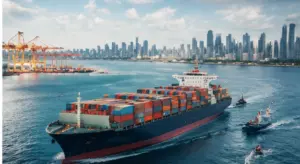
The physical routing of container ships changes how carriers calculate their base ocean freight charges. When primary maritime corridors experience regional instability, vessel operators must reroute their fleets around extended geographic pathways. Detouring around major maritime chokepoints forces ships to travel thousands of extra miles to reach their destination ports.
These extended transits alter your shipping economics directly by inflating ocean transit times and increasing fleet fuel consumption. The longer journeys create a structural pricing floor that prevents base shipping costs from declining sharply. Shippers must build flexible arrival windows into their inventory forecasts to cushion their operations against these extended ocean transits.
Artificial Capacity Controls and Carrier Blank Sailings
Vessel availability dictates how smoothly your containers move through the global port network. Even when global shipyards deliver a high volume of new cargo vessels, available slot space can remain remarkably tight. Ocean carriers utilize tactical capacity management practices to balance supply and demand along major trade lanes.
Line operators rely heavily on blank sailings, which are planned voyage cancellations, to restrict the number of active slots on the market. By withholding vessel space during weak demand periods, carriers prevent spot rates from dropping below their operational costs. This artificial capacity restriction means your procurement team must compete fiercely for trailer and slot allocations during busy quarters.
Comprehensive 2026 Container Cost Benchmarks
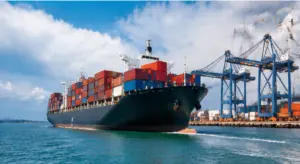
Sourcing space on a container ship requires selecting a shipping layout that aligns with your specific product volume. Transport lines divide their pricing models into separate categories based on whether you utilize a full container shell or share space with other shippers.
Reviewing these active pricing benchmarks helps your team choose an ideal balance of speed and expense. The following table highlights standard pricing ranges across major global trading lanes.
Shipping Lane Corridor | Container Sourcing Option | Average Cost Benchmark (USD) | Standard Operational Scope |
Asia to North America Hubs | Full Container Load (40ft FCL) | $3,000 – $5,500 | Exclusive trailer usage for high-volume payloads |
Asia to Toronto Terminal | Full Container Load (20ft FCL) | $3,650 – $4,500 | Direct Canada-bound rail-linked port transits |
Asia to Toronto Terminal | Full Container Load (40ft FCL) | $4,300 – $5,500 | High-capacity lane for bulk manufacturing stocks |
Asia to Montreal Docks | Full Container Load (20ft FCL) | $3,650 – $4,500 | Direct eastern gateway ocean container positioning |
Asia to Montreal Docks | Full Container Load (40ft FCL) | $4,300 – $5,500 | Maximizes space utilization for large inventory |
Global Consolidation Lanes | Less than Container Load (LCL) | $65 – $100+ / CBM | Cost-effective sharing for smaller batch orders |
Note: These baseline pricing figures represent ocean market averages for standard dry van containers. Specialized equipment classes, such as open-top units or refrigerated reefers, attract premium base rates due to higher asset maintenance needs.
Full Container Load Pricing Dynamics
When your business moves substantial freight volumes, utilizing FCL pricing models delivers the lowest unit costs. Full Container Load shipping means you secure exclusive use of an entire 20-foot or 40-foot steel container shell. This method is generally recommended when your total cargo volume exceeds 15 cubic meters (CBM).
Renting the whole container provides exceptional cargo security because the unit is sealed with a high-security lock tag at the manufacturing facility. The container stays closed until it arrives at your final receiving yard, which minimizes handling risks and prevents product damage. Furthermore, FCL shipments move faster because they bypass the intermediate sorting warehouses that slow down shared container networks.
Less than Container Load Volume Calculations
For growing commercial brands that transport smaller cargo batches, LCL pricing frameworks offer a highly flexible alternative. If you are shipping less than 12 to 15 CBM, Less than Container Load is the most viable option for your supply chain. This consolidation method pools your individual pallets inside a single shared container along with shipments from other importing businesses.
Under an LCL fee structure, you only pay for the exact physical space or cubic volume your cargo occupies inside the container. This setup lowers your upfront capital requirements, allowing you to run a lean, just-in-time warehouse replenishment model. However, the container consolidation process requires extra handling steps at specialized port warehouses. This extra step means that LCL transits generally take slightly longer to complete than standard direct FCL runs.
Demystifying Port Fees and Carrier Surcharges
The base freight rate provided on an initial estimate rarely reflects the final number on your shipping invoice. Marine terminals and ocean carriers apply a variety of mandatory fee additions to cover local handling and energy inflation. Shippers who ignore these administrative add-ons often see their total landed costs expand unexpectedly by 20% to 40%.
Understanding how these additional fees are calculated allows your accounting department to build accurate financial forecasts. Let let us explore the primary surcharges that shape your final shipping costs.
Terminal Handling Charges at Port Gates
Every container passing through a marine facility requires significant physical labor and heavy machinery coordination. Terminal Handling Charges, commonly called THC, represent the fixed port fees assessed by terminal operators to cover these dockside movements.
These fees pay for operating giant ship-to-shore cranes, moving containers across storage yards via straddle carriers, and staging units for truck drivers. THC is assessed at both the port of origin and the port of discharge, making it a critical line item to track.
Fuel Management and Bunker Adjustment Factors
Energy market volatility represents an ongoing risk for ocean liner companies. To protect their operating margins from sudden spikes in marine fuel costs, carriers apply a variable surcharge. This specific fee is known as the Bunker Adjustment Factor, or BAF.
Info: BAF percentages adjust frequently based on global crude oil indexes and regional fuel availability. Shippers must track these energy updates closely to ensure their monthly transportation spending matches active market parameters.
Peak Season Surcharges during Fleet Capacity Crunches
When consumer shopping demand climbs ahead of major holiday sales cycles, available space on cargo ships becomes highly limited. Carriers introduce a Peak Season Surcharge, or PSS, to manage this surge in customer bookings.
During an early peak season wave, these extra fees are enforced months ahead of schedule to control space allocations along dense corridors. The PSS functions as a dynamic pricing adjustment that raises your overall container cost during high-traffic quarters. Working with a provider that secures long-term contract pricing shields your ledger from these sudden seasonal price hikes.
Streamlining Logistics via Sea Freight Booking Online
The traditional process of securing ocean space relied heavily on slow manual check calls and paper documentation strings. Modern supply chains have shifted toward transactional digital platforms to accelerate their procurement steps.
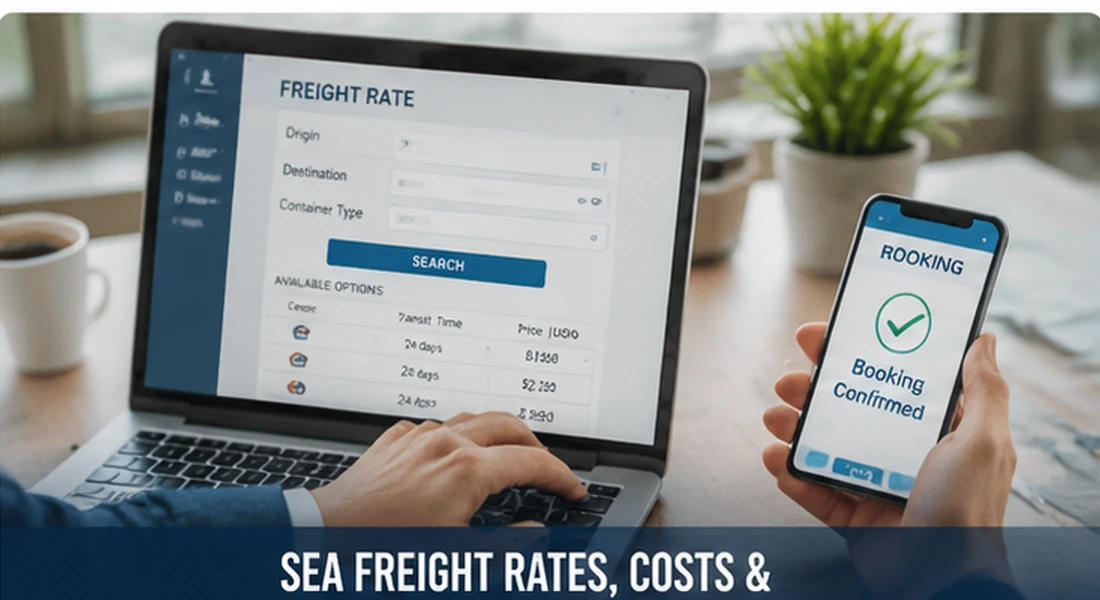
Utilizing specialized digital portals allows your business to execute sea freight booking online seamlessly. These automated systems connect your logistics coordinators directly with live asset-based carrier networks, removing middleman errors.
Input Exact Cargo Data → Instant Multi-Carrier Quote → Secure Digital Slot Booking
The Value of Immediate Digital Price Quoting
Relying on outdated pricing spreadsheets forces your procurement staff to waste valuable time negotiating basic lanes. Digital booking platforms fix this administrative bottleneck by delivering live pricing options based on your exact container size and weight.
Having instant access to multiple carrier rates allows your team to compare FCL and LCL pricing variations instantly. This transparency helps you choose the most cost-effective routing path for your cargo before your truck ever arrives at the warehouse loading bay.
Essential Shipping Documentation Requirements
Clearing your freight through international customs terminals requires perfect data accuracy on every single document file. Minor mistakes on your administrative forms will cause border agents to freeze your container, resulting in expensive port storage fines.
Your logistics team must prepare these three core legal files carefully to ensure a seamless transit:
- The Bill of Lading (BOL): The absolute most important document in global logistics, serving simultaneously as your receipt of goods, a formal contract of carriage, and an official document of title.
- The Commercial Invoice: A detailed customs declaration outlining the exact contents, financial values, and corporate parties involved in the transaction.
- The Packing List: An itemized breakdown provided by the shipper that details exactly how the goods are packaged, along with their respective scale weights and cubic dimensions.
Strategic Cost-Mitigation Best Practices for Global Importers
Lowering your total ocean freight spend requires moving away from reactive spot market purchasing habits. Implementing disciplined operational routines at your factory dock prevents unexpected billing adjustments from carriers.
Review these practical strategies to protect your corporate shipping budget:
- Plan Ahead and Increase Lead Times: Booking your ocean container space at least four to six weeks before your cargo readiness date allows you to secure stable capacity before seasonal crunches strike.
- Verify Your Dimensions Accurately: Measure and weigh your cargo pallets precisely before submitting your data to the booking platform. Incorrect declarations trigger expensive re-weigh penalties during terminal audits.
- Deploy Hybrid Sourcing Models: Combine your freight modes whenever possible. Use cost-effective ocean FCL lines to move your baseline inventory, while keeping an LCL path ready to handle sudden customer demand spikes.
Conclusion
Succeeding in a highly volatile maritime marketplace requires a disciplined approach to vehicle selection and documentation accuracy. Transitioning away from unmanaged, last-minute spot market bookings toward structured contract shipping agreements shields your corporate ledger from sudden rate spikes and unexpected port storage fees. By tracking your container lifecycles carefully, checking your local free time limits, and utilizing advanced multi-carrier tracking software, you can eliminate expensive admin penalties while keeping your client deliveries perfectly on time.
The dedicated transport logistics specialists at ENorth Logistics are ready to build a more resilient distribution framework for your business. Our enterprise maintains active USDOT registrations, valid MC authorities, and active Ontario CVOR licenses to ensure total regulatory compliance across all North American trade corridors. We handle the complex details of route planning, port scheduling, and customs clearance coordination so your staff can focus entirely on core commercial growth. Reach out to our customer support center today to execute a thorough lane performance audit, secure competitive volume contract pricing, and request an accurate quote for your next cargo run.
Frequently Asked Questions
What factors dictate baseline sea freight rates?
Baseline sea freight rates are determined by a combination of physical cargo dimensions, total travel distance, and active equipment availability along your target lane. Your final pricing is driven heavily by whether you select FCL or LCL methods, current fuel costs, and local port infrastructure congestion levels. Seasonal demand shifts can also add temporary premiums during busy quarters.
How does sea freight booking online improve my supply chain efficiency?
Executing your sea freight booking online improves efficiency by automating carrier comparisons, live quoting, and container tracking. Digital booking systems eliminate slow manual check calls and remove communication gaps across different transport networks. Shippers can monitor their entire distribution grid on a single cloud dashboard, reducing administrative errors and terminal delays.
Why do carriers apply a Bunker Adjustment Factor surcharge?
Carriers apply a Bunker Adjustment Factor (BAF) to protect their operating profits from the volatile price shifts found in global marine fuel markets. This variable fee adjusts automatically based on crude oil indexes, shifting the risk of energy inflation away from the carrier. Tracking these updates ensures your landed cost calculations stay accurate.
When should a shipper select LCL pricing over an FCL contract?
A shipper should select LCL pricing when their total cargo volume is relatively small, typically measuring under 12 to 15 cubic meters. This consolidation method allows you to pay only for the exact space your goods occupy, providing an economical choice for small pallet counts. For larger shipments, transitioning to FCL contracts provides better security and lower unit costs.