Building an efficient commercial distribution network requires a clear understanding of your vehicle options. Shippers often lose significant profit margins simply because they book the wrong type of trailer for their warehouse cargo. Choosing the right freight solution depends entirely on your cargo’s physical dimensions, protection needs, and temperature sensitivity. Businesses looking to understand specialized transportation options can explore flatbed freight services for oversized and heavy cargo movements.
In the modern transportation market, matching your freight type to the correct asset class prevents shipping delays and keeps your costs fully predictable. This concept is further explained in this flatbed vs dry van vs reefer guide.
Cargo Assessment → Trailer Selection Analysis → Efficient Lane Routing
Understanding the Core Shipping Methods
Every transportation project starts by selecting a vehicle base that matches your product architecture. Let us break down the specific mechanical traits of the three primary trailer models dominating North American highway routes.
1. Flatbed Shipping Overview
Flatbed shipping relies on an open-deck trailer design that entirely lacks fixed sides, walls, or a roof. This structural open configuration is engineered specifically to accommodate oversized, heavy, or irregularly shaped cargo that cannot physically fit inside an enclosed truck. Because it features a flat platform, operators can safely load and unload materials from any direction using overhead cranes, industrial forklifts, or heavy site machinery.
- Best Operational Uses: Ideal for hauling large construction materials, industrial manufacturing machinery, heavy structural steel beams, long pipes, and military vehicles. Businesses handling oversized freight can also review this oversized load flatbed shipping guide.
- Weather Protection Realities: Flatbed trailers offer zero natural defense against ambient weather conditions. Your cargo is fully exposed to rain, snow, wind, sun, and road debris unless it undergoes specific protective tarping. Manual tarping is a common, highly laborious requirement that adds time to the pickup window.
O Trucking - Core Advantages: Accommodates odd shapes effortlessly, allows fast loading at remote jobsites without loading docks, and easily supports heavy over-dimensional loads.
- Primary Challenges: Carries a higher risk of weather damage if tarps rip, requires extra time for physical chain securement, and frequently requires special over-dimensional road permits from municipal authorities.
2. Dry Van Shipping Overview
Dry van shipping relies on a fully enclosed box trailer, typically measuring 53 feet in length. It represents the standard for most supply chains across Canada and the United States. This trailer is designed specifically to protect standard palletized goods and boxed merchandise from external elements and road theft. Because it is completely sealed, cargo slides into the vehicle through large swing doors located strictly at the rear of the unit.
- Best Operational Uses: The ultimate option for transporting everyday consumer retail goods, home electronics, clothing textiles, dry non-perishable foods, and manufacturing components.
- Weather Protection Realities: Provides complete, weather-proof protection from heavy rain, winter snow, blowing wind, and gravel debris. The heavy locking rear doors keep high-value retail products safe from theft or vandalism during overnight highway stops.
- Core Advantages: Highly secure, protects against environmental damage, accelerates loading at standard warehouse bays, and usually serves as the most cost-effective option for general freight.
- Primary Challenges: Strictly limited by the solid interior box dimensions, cannot handle oversized items, and requires a raised warehouse loading dock or a specialized yard ramp to execute loading.
3. Reefer (Refrigerated) Shipping Overview
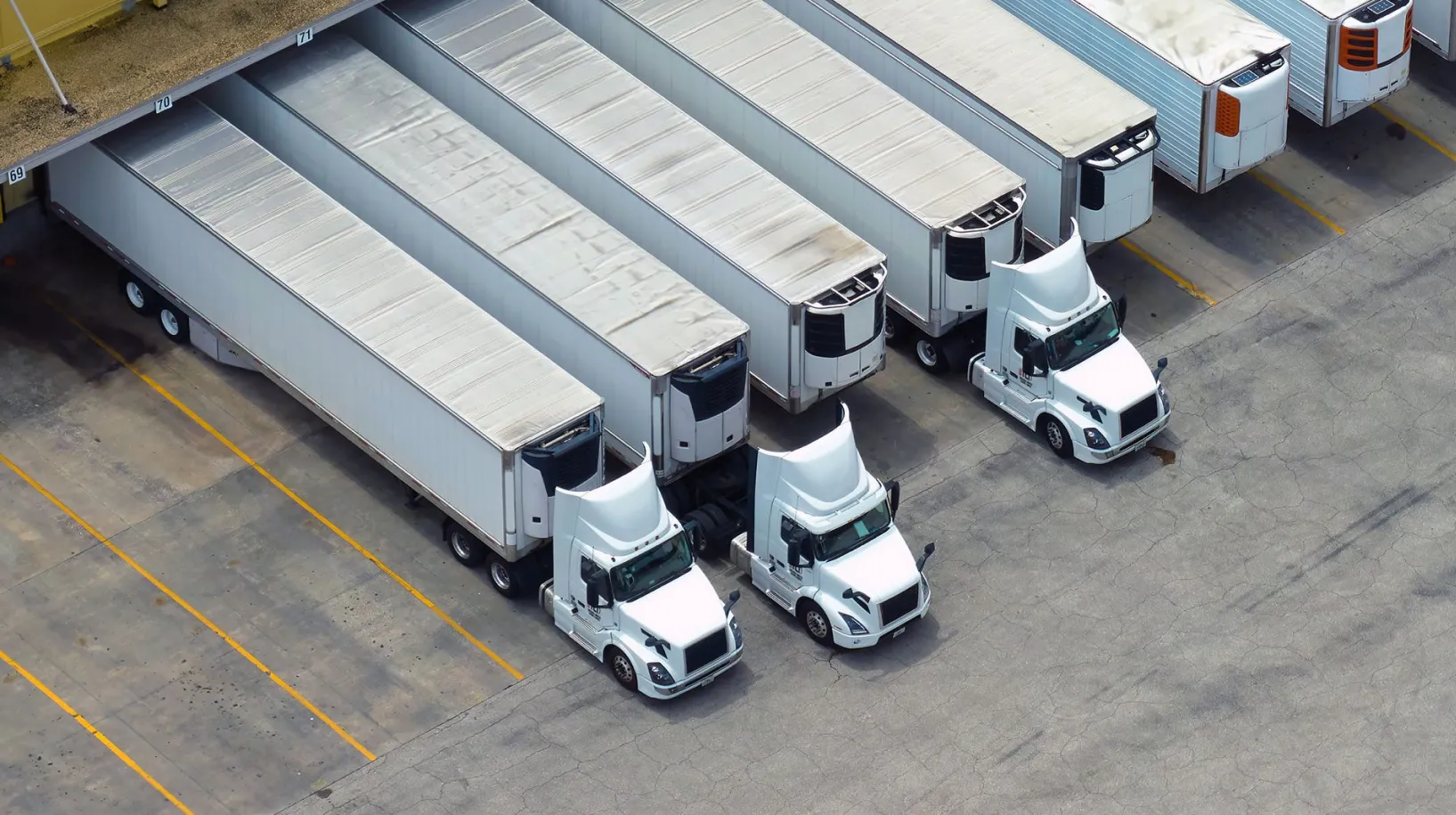
Reefer shipping utilizes a specialized enclosed box trailer equipped with an active, nose-mounted mechanical cooling and heating system. This active climate control unit allows the vehicle to maintain exact temperature settings inside the cargo area throughout the entire journey, regardless of the outdoor weather.
- Best Operational Uses: Crucial for transporting high-value pharmaceuticals, fresh produce, dairy items, frozen foods, and sensitive industrial chemical compounds.
- Weather Protection Realities: Combines full weather-proof containment with active internal climate regulation. It guards against freezing during winter and blocks extreme heat waves during summer.
- Core Advantages: Keeps perishables fresh, satisfies strict health compliance regulations, and offers versatile multi-temperature zone configurations inside a single trailer.
- Primary Challenges: Demands a high rental price, requires constant fuel monitoring for the cooling motor, and requires detailed pre-cooling steps before loading.
A Quick Freight Comparison – Flatbed Vs Dry Van Vs Reefer Shipping
Review this scannable chart to see how these three primary trailer methods stack up across key structural metrics:
Operational Feature | Flatbed Shipping | Dry Van Shipping | Reefer Freight Shipping |
Primary Cargo Type | Oversized, heavy, or oddly shaped materials | Standard pallets, boxes, and dry retail goods | Perishable foods, liquids, and pharmaceuticals |
Loading Styles | Overhead, side, or rear via crane or forklift | Rear-only access via raised warehouse docks | Rear-only access via raised warehouse docks |
Cargo Protection | Fully exposed to elements (requires manual tarps) | Enclosed, secure, and fully weather-proof | Enclosed, secure, and climate-controlled |
Equipment & Fuel Costs | Lower to moderate operational equipment cost | The lowest, most cost-effective baseline | High costs due to reefer fuel and maintenance |
Key Operational Considerations for Shippers
Selecting the right trailer type requires looking past the physical size of your product cartons. Shippers must analyze the real-world operational factors that shape daily transport routing.
Site Accessibility and Loading Maneuverability
Flatbed trailers offer excellent flexibility when delivering materials to undeveloped worksites, active construction zones, or rural farming locations. Because there are no walls, heavy cranes can pluck cargo off the deck from any angle, removing the need for a formal concrete building infrastructure. However, navigating these wide open platforms through tight city streets can require challenging backing maneuvers for the operator.
Conversely, dry vans and reefers fit standard warehouse loading docks perfectly. They back straight up to the rubber bumpers, allowing warehouse workers to roll forklifts directly into the trailer via dock levelers. This setup removes the need for specialized edge protectors, tie-down strap securements, or manual tarps, keeping the loading process fast and simple.
Fuel Consumption, Weight, and Upkeep Overhead
Refrigerated reefer units carry significantly higher upfront asset costs and ongoing operating expenses than simple dry boxes. The mechanical cooling motor consumes an independent supply of diesel fuel continuously to protect sensitive payloads, and it requires strict routine maintenance to avoid roadside mechanical breakdowns.
Flatbeds are aerodynamically inefficient because open cargo catches the wind, which increases fuel consumption at high highway speeds. However, businesses can better understand pricing factors in this flatbed freight costs 2026 guide. This lower unladen trailer weight allows shippers to maximize their actual cargo payload capacity without breaking highway scale weight limits.
Driver Availability and Base Transport Costs
The open-deck design of a flatbed makes it a much more physically demanding job for truck drivers. Operators cannot simply back up to a dock and relax. They must manually pull heavy canvas tarps, climb onto equipment frames, and secure heavy steel chains in freezing winter weather.
This continuous physical strain contributes to a smaller pool of qualified open-deck operators, which naturally drives up base shipping costs. Conversely, dry vans represent the highly available, cost-effective standard across the industry. Because dry van assignments are less physically demanding, they attract a large pool of drivers, keeping contract rates stable.
Supply Chain Market Dynamics
The modern transportation market shows a clear contrast between different equipment categories. Shippers must monitor these market movements closely to protect their logistics budgets from unexpected capacity shortages.
Surging Demands in the Open-Deck Sector
The demand for flatbed shipping is experiencing a massive seasonal surge across North America. This growth is driven heavily by massive government infrastructure projects, energy sector developments, and widespread commercial data center construction.
Lumber deliveries, steel structures, and heavy machinery are moving across the continent at high speeds. Because flatbed capacity is tightening fast, shippers must secure their open-deck trailers early to avoid spot market pricing spikes.
Stability and Consistency in Enclosed Logistics
Dry van shipping capacity remains highly stable and accessible across most major national and regional lanes. While consumer retail volumes fluctuate throughout the year, the large number of available dry van fleets prevents major pricing shocks. Shippers can leverage this steady supply to negotiate stable, long-term contract rates for their standard palletized freight distribution.
High-Performance Cargo Protection Strategies
Protecting your cargo during long highway transits requires utilizing specialized safety protocols tailored to your chosen trailer style. Proper preparation reduces product damage claims and eliminates terminal delay fees.
Tarping Protocols for Flatbed Deliveries
When utilizing open decks, protecting your cargo from rust, road salt, and moisture requires using heavy duty industrial tarps. Shippers must specify the right tarp style during the quoting phase:
- Lumber Tarps: Feature large dimensions and fitted flaps designed to cover tall, square stacks of raw wood or insulation panels completely.
- Steel Tarps: Made from heavy, drop-tested vinyl sheets built to wrap around low-profile steel coils, rods, or manufactured parts.
Blocking and Bracing Inside Dry Vans
Enclosed box walls protect your goods from wind, but they cannot stop pallets from sliding around during sudden highway stops. Loading crews must apply strict blocking and bracing techniques to secure cargo. Use heavy wooden blocks, plastic air cushions, and logistical cargo bars to lock pallets tightly against the trailer floor. This bracing stops pallets from tipping over and shifting weight onto the rear doors.
ENorth Logistics – Your Trusted Freight Partner
Managing a complex supply chain across multiple trailer formats requires a logistics partner with absolute regulatory expertise and a reliable carrier network. ENorth Logistics provides premier freight management solutions across Canada and the United States, keeping your supply chain completely optimized.
Our team eliminates the stress of freight coordination by matching your cargo dimensions with the perfect trailer asset class every time. We operate in full legal compliance with all international, federal, and provincial transportation authorities, holding completely active registrations:
- Active USDOT Number: Full registration for legal interstate commerce across the United States.
- Valid MC Authority: Active operating authority to manage cross-border commercial freight projects.
- Canada CVOR License: Active Commercial Vehicle Operator’s Registration in the Province of Ontario.
- Complete Tax Compliance: Fully compliant with all IRS, CRA, and international IFTA fuel reporting laws.
Our Multi-Mode Performance Standards
Equipment Specialty | Our Compliance Standard | Core Supply Chain Benefit |
Flatbed Operations | Certified Load Securement | Safe transport for oversized machinery and construction assets |
Dry Van Logistics | Sealed Cargo Protection | High-security, cost-effective distribution for retail products |
Reefer Transport | Continuous Temp Monitoring | Full temperature compliance for sensitive food and pharma |
Conclusion
Succeeding in modern logistics management requires a clear understanding of flatbed, dry van, and reefer capabilities. Sourcing the right trailer style ensures your cargo moves safely across North America without experiencing freight damage or terminal delays. Prioritizing open decks for oversized cargo, dry vans for secure palletized boxes, and reefers for temperature-sensitive items keeps your supply chain completely resilient. For deeper operational insights, businesses can review this flatbed freight services guide 2026.
Working with a fully licensed, technology-driven third-party logistics specialist simplifies your logistics operations completely. The experienced freight orchestration specialists at ENorth Logistics are always ready to optimize your asset distribution. Contact our support team today to review your cargo dimensions, analyze your lanes, and secure a transparent quote for your next shipment.
Frequently Asked Questions
When comparing flatbed vs dry van shipping, which is better for heavy machinery?
Flatbed shipping is much better for heavy machinery because its open-deck design allows cranes and forklifts to load large pieces from any side or angle. Most heavy industrial machinery exceeds the physical height and width limits of an enclosed dry van box, making an open flatbed trailer the only legal transport option.
Why does flatbed shipping often cost more than dry van shipping?
Flatbed shipping carries higher base costs because it is more physically demanding for truck drivers, who must manually handle heavy tarps and secure heavy steel chains. This extra physical labor reduces the overall pool of available open-deck drivers, creating tighter capacity that drives up spot rates compared to standard dry van lanes.
What are the main cargo protection risks associated with reefer freight?
The main risks for reefer freight include mechanical cooling unit failures and internal temperature fluctuations that can spoil perishable cargo. To prevent product loss, shippers must ensure carriers perform pre-cooling routines, check fuel levels for the cooling motor, and utilize continuous temperature-tracking sensors throughout the transit.
Do dry van trailers require specialized loading dock equipment?
Yes, dry van trailers are loaded exclusively from the rear, meaning they typically require a standard raised warehouse loading dock or a heavy-duty yard ramp. This setup allows warehouse forklifts to drive straight into the back of the enclosed trailer to load or unload palletized consumer goods quickly and safely.