Rail & Intermodal Ā· Canada & USA

Rail Freight & Intermodal Logistics Services

Long-haul container freight by rail, connected to your dock by drayage on both ends. A lower cost per mile than trucking alone for high-volume shipments, without you managing separate rail and trucking vendors, the same coordinated model behind our 4PL logistics services.

Next-Flight-Out Available

for urgent, time-critical shipments

98.7%

On-time delivery

500+

Monthly Shipments Coordinated

24/7

Live tracking

99.99%

Operational Reliability

The basics

What is rail freight and intermodal shipping?

A simple explanation, and when it beats trucking alone.

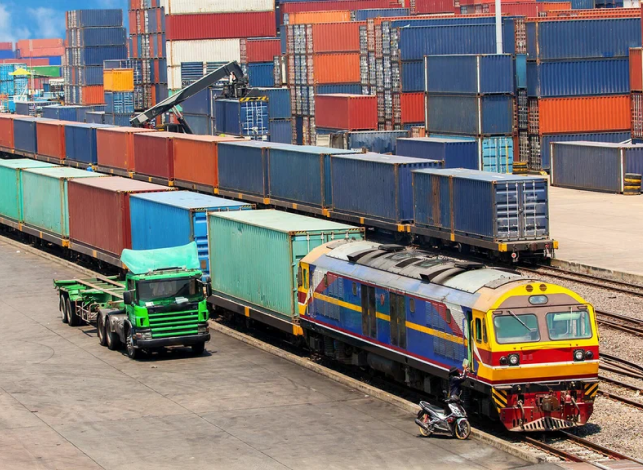
Intermodal rail freight means your container travels the long-haul portion of its journey by train instead of by truck, then switches to a truck for the short first and last mile, from the shipper’s dock to the rail yard, and from the destination rail yard to the final address. It uses the same standard containers as ocean and truck freight, connecting directly with our sea logistics services, so nothing needs to be repacked between modes. The tradeoff is straightforward: rail is typically slower than a direct truck run, but meaningfully cheaper per mile once a shipment is moving 700 miles or more, which is why it tends to make sense for high-volume freight where the delivery date has some flexibility. For shorter or more time-sensitive moves, trucking alone is usually still the better call.

Long-haul trucking only

Rail freight & intermodal with ENorth
One Point of Contact

One partner, from the dock to the rail yard and back

Your container’s journey usually touches three or four different operators: a drayage truck, a rail yard, the railroad itself, and a drayage truck again at the other end. Our team manages that handoff as one coordinated move instead of four separate bookings, backed by our reliable freight dispatching. That means confirming terminal appointments and equipment (chassis availability is one of the most common causes of pickup delays at busy rail yards), tracking “last free days” so your container doesn’t sit past its allowed time and rack up demurrage charges, and handling customs documentation on cross-border moves before the container ever reaches the yard. You get one point of contact and one shipment status, not four different tracking numbers to reconcile.

Our services

Our rail freight & intermodal services

Long-haul rail and the drayage that connects it to your dock, coordinated together.

Intermodal Container Freight

Long-haul rail for high-volume shipments

Standard containers moved by rail for the long-distance leg of your shipment.Ā 

Drayage & Rail Yard Support

The first and last mile, handled

Short-haul trucking that connects your dock to the rail network on both ends.

Industries

Industries we serve

High-volume, long-haul freight across the industries that move it most.

A manufacturer moving pallets 1,200 miles inland and an importer repositioning containers from the coast both benefit from rail’s cost advantage over long distances, even though the freight itself looks completely different, whether that volume is consolidated through our freight consolidation services or shipped as standalone containers protected under our freight insurance solutions. Programs are built around your volume and lane, not a one-size-fits-all container booking.

Why ENorth

Why businesses choose ENorth for rail freight

Built around the two things that make or break an intermodal move: cost and coordination.

Lower cost on long-haul lanes

Rail’s cost advantage over trucking grows the farther a shipment travels.

Drayage included

The first and last mile is coordinated as part of the same booking, not a separate vendor.

Demurrage avoidance

Last free days are tracked so containers move before penalty fees kick in.

Customs handled

Cross-border documentation prepared ahead of the container reaching the yard.

Equipment coordination

Chassis and terminal appointments confirmed before pickup day, not after a delay.

One point of contact

A single team manages the shipment across every mode it touches.

Pricing

Transparent rail freight pricing

Rail and intermodal pricing depends on the container, the lane and the drayage required on each end. Here’s what shapes it.

Container type

20′, 40′, 45′ or 53′ domestic container

Lane & distance

Origin, destination and total rail miles

Weight & commodity

Cargo type and total shipment weight

Drayage & transload needs

First/last mile trucking and any transload requirements

Get a rail freight quote in minutes

Tell us your lane and volume, we'll send transparent pricing with no hidden fees.

What clients say

Trusted for long-haul freight that has to move on budget

“We were paying truckload rates on a lane that runs almost 1,500 miles inland. Moving that volume to rail through ENorth cut our per-unit freight cost noticeably, and the drayage on both ends was handled without us managing a separate trucking vendor.”Ā Ā 

Logistics Manager

Manufacturing company, MississaugaĀ 

“Demurrage fees used to eat into our margin every time a container sat at the yard too long. ENorth tracks the free days for us now, so we move containers before the penalty clock runs out instead of finding out after the invoice.”Ā 

Import Coordinator

Import/export business, Toronto

FAQ

Rail freight & intermodal, answered

Intermodal rail freight moves a standard shipping container by train for the long-distance portion of its journey, then by truck for the short first and last mile between the shipper or receiver and the nearest rail yard. The container itself doesn't change, only the mode carrying it.

Trucking is generally faster and more flexible for shorter or time-sensitive shipments. Rail is typically slower but costs less per mile once a shipment is moving long distances, usually 700 miles or more, which makes it a better fit for high-volume freight with some flexibility on delivery date.

Yes. Drayage on both ends is coordinated as part of the same booking, including terminal appointments and equipment, so you're not managing a separate trucking vendor for the first and last mile.

Rail tends to make the most financial sense for high-volume, long-haul shipments where trucking costs would otherwise be high. Smaller or shorter shipments are often still better served by truckload or LTL, and we can help you compare which mode fits a specific lane.

Yes, including customs documentation prepared ahead of the container reaching the rail yard, so cross-border moves aren't held up on paperwork.

Demurrage is a penalty fee charged when a container sits at the terminal or rail yard past its allowed free days. We track those free days on your behalf so containers move before the fee applies.

Transloading is moving freight from one container or transport mode into another when a shipment can't stay in the same container for its whole journey. This is coordinated as part of our intermodal service where a shipment's lane requires it.

Move your long-haul freight for less

One partner for rail freight, intermodal containers and the drayage that connects them. Get a fast quote or talk to a logistics specialist today.

Expert Freight Support When You Need It

Get fast and reliable support for all your freight, warehousing, and logistics needs across the USA and Canada. Our team is ready to help you with instant quotes and shipment assistance.