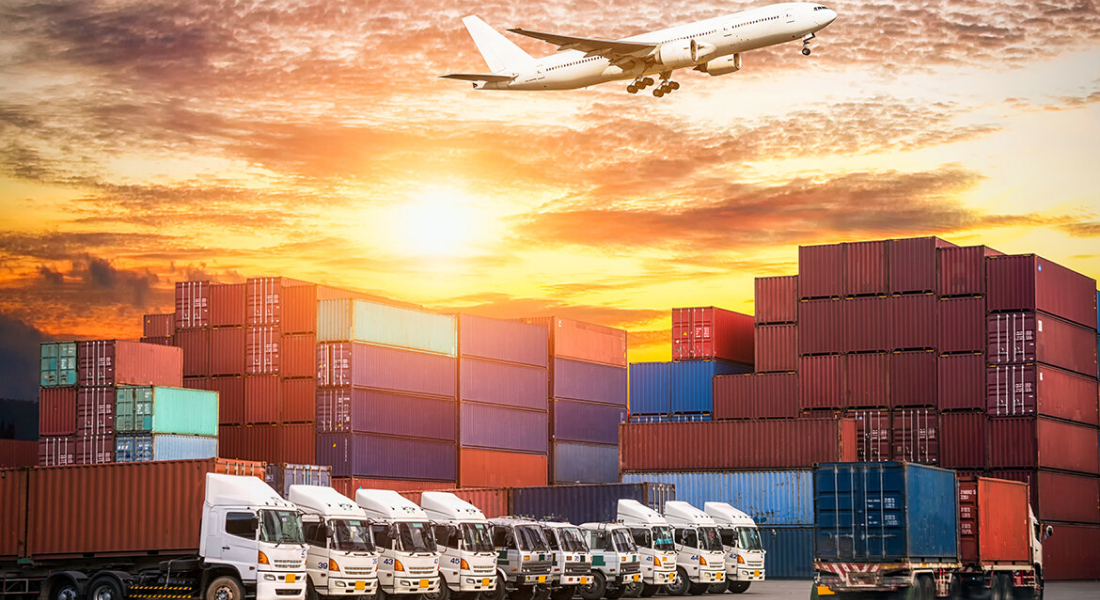
Moving products across the world requires immense coordination. Manufacturers need to ship goods from a factory in one country to a warehouse in another. Doing this efficiently requires precise planning, deep knowledge of international borders, and tight timing. This is where professional freight forwarding services become absolutely essential.
An international freight forwarder acts as the primary architect of your global shipping strategy. They handle the complex physical and legal details so you can focus entirely on running your business. Instead of calling multiple trucking companies, ocean carriers, and border agents yourself, you make one call to your forwarding partner. In this detailed guide, we break down exactly how these logistics experts manage your cargo safely from its origin point to its final destination.
What Exactly is a Freight Forwarder?
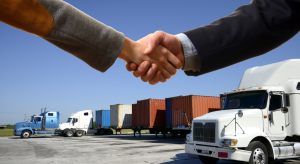
A freight forwarder is a highly trained logistics expert. They act as a vital middleman between the original shipper and the final delivery destination. Interestingly, a forwarder does not typically own the airplanes, trains, or cargo ships used to move the goods. Instead, they act as professional organizers for your supply chain logistics.
They manage the entire end-to-end journey by booking space with major carriers. They also handle the required customs brokerage paperwork and organize complex multimodal transport. Multimodal transport simply means using a calculated mix of trucks, trains, and ships to complete a single delivery. By leveraging their massive global contacts, forwarders secure better shipping rates and guarantee that your cargo arrives safely.
How the Freight Forwarding Process Works
Moving international cargo involves a very specific sequence of events. The step-by-step lifecycle of a managed global shipment requires perfect timing. If one step gets delayed, the entire supply chain slows down. A reliable forwarder manages these seven distinct phases to keep your goods moving.
1. Export Transport and Origin Handling
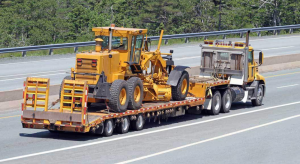
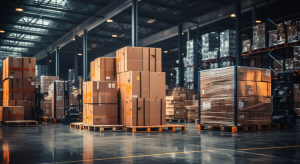
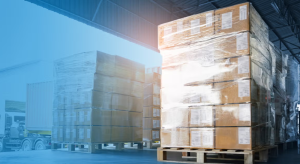
The journey begins at the manufacturer’s factory. Export transport involves moving the raw goods from the supplier’s warehouse to the origin seaport or airport. Once the truck arrives at the origin facility, origin handling begins. Port workers unload the truck, inspect the items for safety, and consolidate smaller shipments into a single large shipping container.
2. Export Customs Clearance
Leaving a country requires strict government approval. The forwarder handles the export customs clearance phase completely. They submit all the required export declarations and regulatory filings to the local government authorities on your behalf.
Info: Proper export clearance ensures your goods exit the country legally without facing sudden fines or unexpected delays before they ever board a ship.
3. Main Transportation
This is the longest part of the journey. Main transportation involves moving the cargo across international borders. The forwarder books the space on an ocean vessel, a cargo plane, or an international rail line. They track the shipment constantly while it crosses the globe to keep you informed.
4. Import Customs Clearance
When the cargo arrives in the destination country, it faces strict border checks. The forwarder acts as your customs brokerage expert here. They process the required entry paperwork and pay the necessary duties to the destination customs authorities. You must clear this hurdle before the goods can move inland.
5. Destination Handling and Final Mile
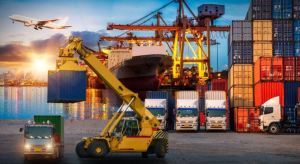
After the government clears the cargo, destination handling takes place. Workers unload the heavy shipping containers and break down the shared loads into individual shipments. Finally, final mile delivery begins. A local truck transports the items from the local port warehouse directly to your specific retail store or distribution center.
Understanding the Core Modes of Transport
A strong international freight forwarder helps you choose the smartest way to move your goods. The right choice depends entirely on your budget and how fast you need the items. There are three core modes of transport used in cargo forwarding.
- Ocean Freight: This is the most cost-effective option for heavy, bulky, or non-urgent goods. You can book a Full Container Load (FCL) if you have enough products to fill a whole box. If you have a smaller shipment, you can book a Less than Container Load (LCL) to share the space and split the cost.
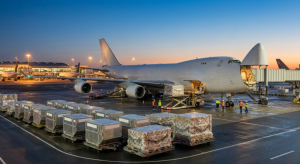
- Air Freight: This is the most expensive but fastest option available. It is best suited for high-value items, fragile electronics, or time-sensitive shipments that must arrive within a few days.
- Road and Rail Freight: These modes are absolutely essential for domestic travel. Trucks and trains handle the regional cross-border movements, the pre-carriage transport to the port, and the final delivery legs.
Essential Shipping Documents You Need
International borders run on strict documentation. Missing a single piece of paper will stop your shipment immediately. A professional forwarder manages these documents to ensure flawless cargo forwarding operations.
Review this table of the most critical shipping documents required for global trade:
Document Name | Main Purpose | Why It Is Important |
Commercial Invoice | Details the buyer, the seller, and the exact merchandise. | Proves the financial value of the goods for customs tax calculations. |
Packing List | Itemizes the specific weights and physical dimensions. | Tells workers exactly how the goods are packaged for safe handling. |
Bill of Lading (B/L) | Acts as the primary contract of carriage and receipt. | Serves as the official legal title to the goods during transit. |
Certificate of Origin | Verifies the country where the items were manufactured. | Determines specific trade tariffs and legal import restrictions. |
Note: Always double check the spelling and numbers on your Commercial Invoice. A small typing mistake can cause customs agents to hold your cargo for weeks while they investigate the discrepancy.
Conclusion
Mastering global trade requires a solid plan and expert support. Handling international borders, choosing the right transport mode, and filing accurate customs paperwork takes incredible effort. Professional freight forwarding services remove this massive burden from your daily workload.
By trusting an expert to organize the heavy lifting, you secure better shipping rates and guarantee faster delivery times. A reliable partner protects your business from costly border delays and hidden logistical fees.
At ENorth Logistics, we provide complete supply chain logistics solutions tailored to your unique goals. Our experienced team handles everything from complex customs clearances to fast final mile deliveries. We keep your cargo moving safely across the globe so you can focus on growing your business. Contact ENorth Logistics today to request a free quote and optimize your international shipping strategy.
Frequently Asked Questions
What exactly are freight forwarding services?
They are professional management services that organize the entire shipment of goods from a manufacturer to a final buyer. The forwarder handles the carrier booking, the strict paperwork, and the border rules without actually owning the ships or planes used for transport.
Do I really need customs brokerage support?
Yes, moving items across international borders requires strict legal compliance. A customs broker files the exact paperwork required by the government and pays the correct taxes. This prevents heavy legal fines and keeps your goods from being seized at the border.
What is the difference between FCL and LCL in ocean freight?
FCL stands for Full Container Load, meaning you rent an entire shipping container for your goods alone. LCL stands for Less than Container Load, meaning your smaller shipment shares a container with goods from other companies to save money.
Why is the Bill of Lading so important for cargo forwarding?
The Bill of Lading is a critical legal document. It acts as the official contract between the shipper and the carrier. It also serves as the formal receipt of goods and acts as the legal title of ownership while the cargo remains in transit.