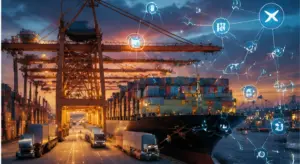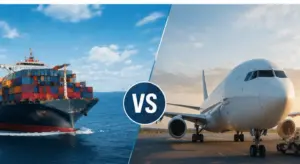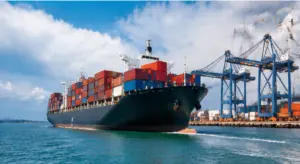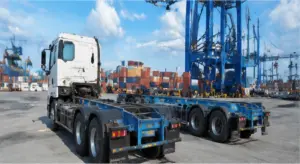
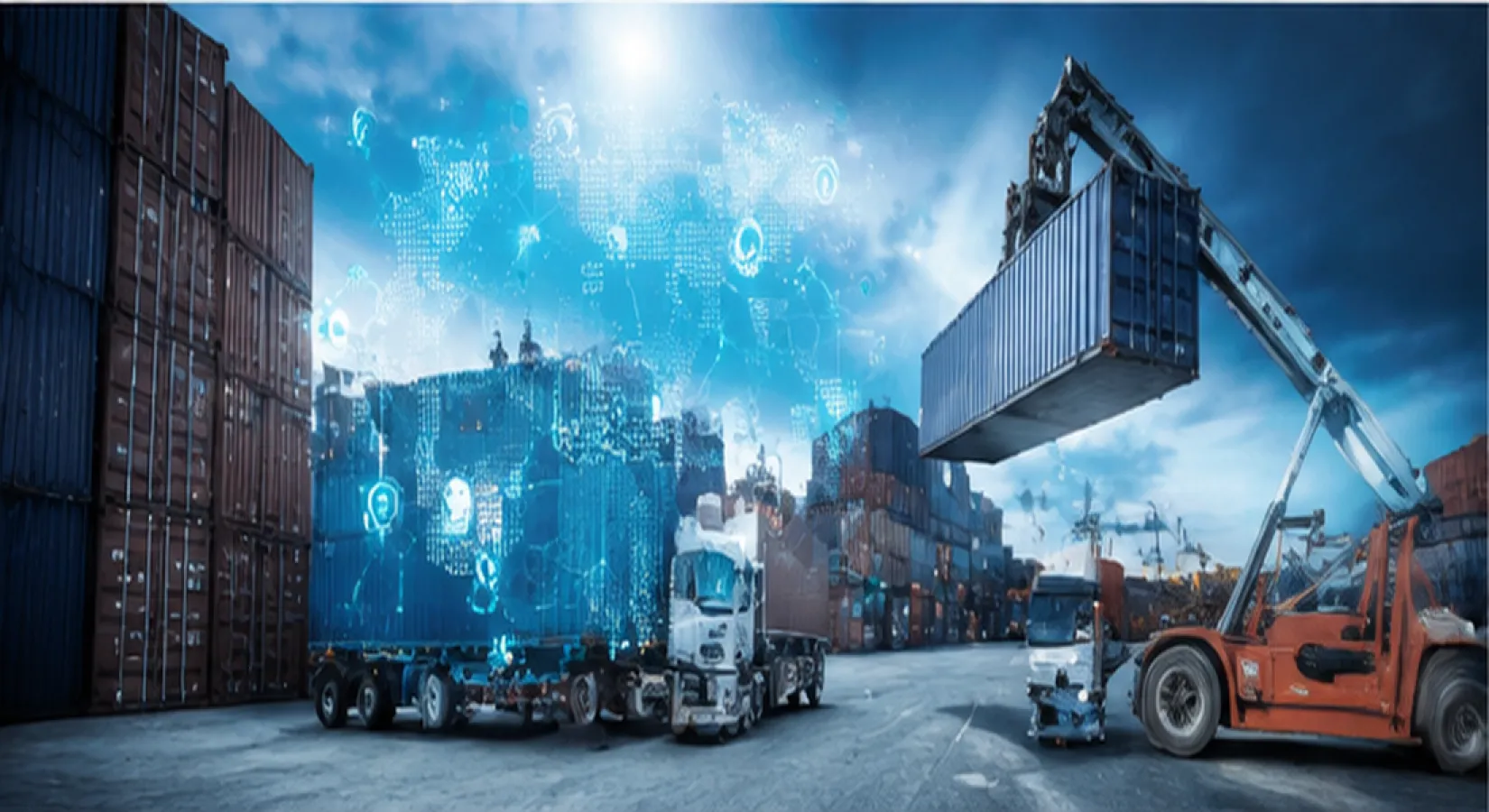
Operating an international distribution network requires an absolute focus on localized container movements. When cargo ships dock at major marine terminals, thousands of shipping containers must clear the wharf quickly to prevent cargo gridlock. Many supply chain managers track their ocean lanes perfectly but fail to organize the initial land link between the harbor gate and local warehouses. This planning oversight leads to severe container blockages, lost inventory control, and unexpected storage penalties.
Local container transport has transformed completely this year. It has evolved from a simple port-to-warehouse link into the very epicenter of supply chain performance. Managing these short-haul corridors demands advanced planning and dynamic data orchestration. At ENorth Logistics, we view port operations through an organized, technology-driven framework. This guide explores the latest advancements in port logistics to help your company master drayage logistics optimization while protecting your corporate logistics budget.
The Evolution of Local Container Movements in 2026
The transactional freight market operates under intense capacity restrictions and tightening compliance rules. Shippers can no longer manage their container pickups reactively without facing massive financial penalties at the gate. Localized transport networks now require complete digital integration to survive shifting marketplace conditions.
Driven by Artificial Intelligence orchestration, predictive scheduling, and green regulations, optimizing local container movement is no longer optional. It is a mandatory survival strategy to handle tight capacity and volatile market pressures. Shippers who implement disciplined data practices can transform their port logistics into a distinct competitive advantage. Achieving excellent efficiency allows your business to lower its final landed costs while keeping your daily customer deliveries perfectly on time.
Key Supply Chain Trends Transforming Port Logistics
Shifting economic patterns and technological breakthroughs continue to rewrite how carriers schedule their local truck runs. Procurement teams must adapt to these macro trends early to insulate their distribution budgets from sudden roadside shocks. Let let us look closely at the primary forces shaping modern container yard logistics.
Agentic AI and Predictive Orchestration Systems
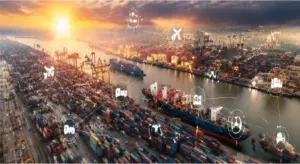
Supply chain platforms have shifted from merely supporting corporate decisions to continuously orchestrating them in real time. Modern logistics operations rely heavily on AI drayage logistics software to manage complex scheduling variations automatically. These intelligent cloud networks analyze millions of live yard points to build highly efficient transport plans.
Advanced platforms use predictive dispatch modeling to match incoming containers with nearby drivers before the vessel even anchors. This data-driven automation streamlines carrier coordination and cuts down on manual communication between offices.
Info: Smart software helps dispatchers anticipate terminal arrival clusters, optimize equipment allocations, and prevent costly accessorial fees like detention penalties and chassis splits.
Implementing an automated dispatch system allows your business to handle unexpected volume spikes seamlessly, improving your overall supply chain resilience.
Constrained Capacity and Aggressive Terminal Deadlines
Major marine hubs and rail networks are dealing with severe congestion issues caused by changing regional weather patterns and worker shortages. To maintain fluid cargo yards, terminal operators are aggressively penalizing missed appointments and pushing operational risks backward onto the shipper. Finding available trucks and chassis gear has become a primary operational challenge during peak shipping seasons.
This tightening operational environment forces companies to manage their port scheduling workflows with extreme precision. Shippers must lock in carrier capacity and align their container terminal slots much earlier in the cycle to avoid severe supply chain bottlenecks.
Failing to clear your cargo before your free time expires triggers expensive demurrage and detention fines from ocean lines. Monitoring these deadlines closely protects your capital accounts from unexpected backend billing inflation.
Green Logistics, Fleet Electrification, and Sustainability
Environmental regulations are accelerating rapidly across North America, forcing transportation lines to update their physical vehicle assets. Major port authorities are enforcing strict emission rules that restrict older, polluting diesel trucks from entering terminal gates. To remain compliant, modern short-haul transport fleets are rapidly electrifying their regional operations.
Logistics providers utilize a mix of hybrid and EV drayage solutions to satisfy corporate ESG mandates. These clean transport options allow your business to drastically cut its transportation carbon emissions during critical last-mile delivery stages. Investing in sustainable fleet networks ensures your supply chain maintains uninterrupted access to green shipping corridors all year long.
Best Practices for Strategic Drayage Logistics Optimization
Lowering your total transportation overhead requires moving away from unmanaged spot market transactions. Shippers who implement disciplined habits at their loading docks can eliminate structural waste and optimize their equipment utilization. Let us explore the best operational practices your logistics team should execute daily.
Leveraging Advanced Truck Appointment Systems
Passing through a crowded harbor checkpoint requires perfect synchronization with local terminal management software. High-performing shipping operations utilize automated Truck Appointment Systems (TAS) to secure precise gate reservations for their drivers.
Enforcing these digital appointment rules minimizes vehicle wait times on local access roads and reduces overall port congestion. Integrating your real-time vehicle communication technologies with terminal software ensures a seamless flow of containers from the dock to the highway.
Maximizing Street Turns to Lower Container Miles
Hauling an empty steel container across the city just to drop it off at a storage yard wastes valuable fuel and driver labor hours. To eliminate this operational waste, smart companies work closely with their transport partners to execute matching street turns.
A street turn occurs when a driver delivers an empty export container directly to another local shipper instead of returning it to the port depot. The second shipper loads the container immediately, allowing the driver to pick up an import box right after.
Review the direct benefits of implementing a disciplined street turn strategy:
- Eliminates Empty Miles: Keeps trucks running loaded, which drops your total over-the-road fuel costs.
- Reduces Gate Congestion: Minimizes the number of individual truck trips passing through secure harbor checkpoints.
- Lowers Chassis Rental Fees: Shortens the total number of days equipment sits idle in your warehouse yard.
- Accelerates Container Turnarounds: Speeds up the container lifecycle to help ocean carriers maintain their vessel schedules.
Embracing End-to-End Visibility and Real-Time Tracking
Maintaining an agile supply chain requires total clarity regarding your freight coordinates at every stage of the journey. Shippers must deploy a modern drayage tracking system that provides complete container visibility from the ship to the rail ramp. These cloud platforms utilize advanced API integration protocols to combine data feeds from multiple transport lines into a single dashboard.
Advanced tracking software gathers live location updates from several integrated systems simultaneously:
- Electronic Logging Devices (ELD): Tracking active driver hours of service to ensure roadside regulatory compliance.
- GPS Asset Tracking Hardware: Pinpointing the exact geographical coordinates of your trailers on public highways.
- Geofencing Alerts: Automatically triggering warehouse receiving teams the moment a container crosses your facility border.
- Real-Time Visibility Portals: Sharing instant milestone updates with your end customers to improve overall service scores.
Note: Having complete end-to-end visibility gives your team the agility needed to handle sudden harbor disruptions. If a primary terminal experiences an unexpected closure, your staff can quickly redirect trucks to alternative rail yards or warehouses before penalties accumulate.
Technical Sourcing Reference Chart for Modern Logistics Managers
Selecting the right combination of technology tools helps your company eliminate operational blind spots. Shippers can check this scannable summary guide to see how different optimization features impact their core supply chain metrics.
Sourcing Technology Tool | Primary Operational Focus | Core Supply Chain Advantage |
AI Drayage Logistics | Predictive dispatch and automated load matching | Eliminates empty container miles and lowers wait times |
Truck Appointment Systems | Precise port scheduling and gate reservations | Bypasses terminal congestion and avoids turn fees |
Drayage Tracking System | Continuous real-time visibility via API tools | Provides complete container visibility to resolve disputes |
Fleet Electrification Assets | Sustainable EV and hybrid short-haul tractors | Lowers carbon emissions to satisfy corporate ESG rules |
The ENorth Logistics Optimization Blueprint
Coordinating an efficient, automated transportation network requires a certified logistics partner focused on compliance and safety. ENorth Logistics provides high-performance container transport and intermodal shipping management solutions across Canada and the United States. We remove the operational strain of port logistics by managing your terminal appointments, checking your custom documents, and tracking your last free days before our trucks ever arrive at the gate.
To guarantee complete peace of mind for your enterprise, our organization maintains active, audited operating credentials across all national highway corridors:
- Active USDOT Registration: Authorized for legal interstate commerce across all U.S. transport lanes.
- Valid MC Authority: Approved commercial carrier licensing to handle high-volume cross-border international containers.
- Ontario CVOR License: Certified transport compliance to operate heavy machinery safely within Canadian trade zones.
- Complete IFTA Compliance: Audited fuel tax reporting safety across all state and provincial boundary lines.
Our team utilizes advanced digital tracking systems to provide real-time freight visibility from pickup to drop-off. We continuously monitor changing weather conditions, permit restrictions, and harbor wait times to protect your corporate profit margins from unexpected disruptions. Partnering with ENorth Logistics means your commercial cargo is fully protected by an elite, fully certified transportation network.
Conclusion
Succeeding in a highly volatile transportation marketplace requires an organized approach to managing your drayage logistics optimization milestones. Transitioning away from unmanaged, last-minute terminal bookings toward structured contract shipping agreements shields your corporate ledger from unexpected storage fines and driver delays. By tracking your container lifecycles carefully, checking your local free time limits, and utilizing advanced multi-carrier tracking platforms, you can eliminate expensive terminal penalties effortlessly.
The experienced container logistics specialists at ENorth Logistics are ready to build a more resilient distribution framework for your business. Our team handles the complex details of route planning, port scheduling, carrier safety auditing, and customs clearance coordination so your staff can focus entirely on core commercial growth. Reach out to our customer support center today to execute a comprehensive lane performance audit, secure competitive volume contract pricing, and request an accurate quote for your next cargo run.
Frequently Asked Questions About Drayage Optimization
What is the primary definition of drayage logistics optimization?
Drayage logistics optimization is the strategic practice of streamlining short-haul container movements between ports, rail yards, and local warehouses. This process uses advanced AI platforms, real-time tracking systems, and strict terminal scheduling to eliminate operational waste. Optimizing these local moves reduces driver wait times, cuts down on empty container miles, and protects businesses from expensive port storage fees.
How does predictive dispatch software lower demurrage and detention fees?
Predictive dispatch software lowers fees by analyzing live vessel manifests and customs data to match containers with drivers before the ship anchors. This automated scheduling ensures that trucks arrive precisely when the container is cleared and ready for pickup. Clearing cargo out quickly prevents your business from exceeding its last free days, avoiding expensive port storage penalties.
What is a street turn and how does it improve logistics efficiency?
A street turn is an efficiency practice where an empty export container is transferred directly to a nearby shipper instead of being returned to the port depot. The second shipper loads the container immediately for a new export run, cutting out an entire empty trip back to the harbor. This process lowers your overall chassis management costs, reduces gate traffic, and cuts down on fuel consumption.
Why are electronic logging devices vital for real-time visibility?
Electronic logging devices are vital because they sync directly with truck engines to track driver hours of service and vehicle locations automatically. This data feeds into your tracking system to calculate highly accurate delivery ETAs based on real-time driver availability. Access to this live data helps warehouse managers prepare their staging bays efficiently, reducing vehicle turn times.