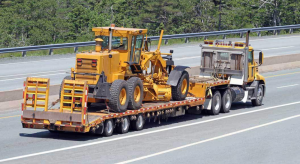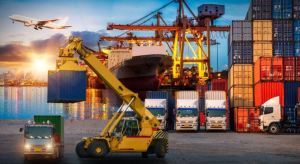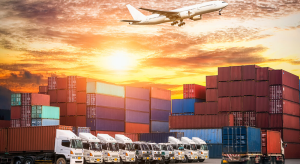
Moving retail and commercial inventory across international borders is a foundation of global commerce. For decades, supply chain teams focused almost entirely on transit speed and basic freight costs. Traditional transport relies heavily on diesel trucks, air cargo planes, and heavy fuel ocean liners. However, the operational criteria for moving commercial cargo has transformed significantly. Corporate shippers must now evaluate total carbon output alongside standard lane delivery times.
As we progress through 2026, building a sustainable distribution network requires a clear understanding of environmental rules. Enterprise buyers, investors, and government regulators now demand absolute carbon transparency across global supply chains. Achieving carbon neutral freight shipping allows businesses to balance their greenhouse gas footprint while maintaining predictable delivery schedules. At ENorth Logistics, we help commercial shippers align their transport networks with updated environmental standards. This guide explores ESG compliance rules, practical operational strategies, and green logistics choices for your business.
Understanding Carbon Neutral Freight Shipping Principles
Achieving carbon neutrality across a logistics network requires a structured operational plan. It is not simply about buying cheap carbon credits at the end of the year. Instead, true carbon balance involves cutting direct emissions first and handling remaining emissions through verified environmental programs.
Core Decarbonization Pillars for Modern Supply Chains
Decarbonizing a commercial transport grid involves multiple overlapping technologies. Shippers must evaluate how clean vehicle hardware and route planning tools work together across ocean, rail, and highway lanes.
The primary operational pillars supporting carbon-neutral transport include:
- Route and Load Efficiency: Deploying real-time tracking systems to eliminate empty truck runs and maximize trailer fill capacity.
- Fleet Electrification: Deploying electric freight trucks for short-haul urban distribution and final-mile deliveries.
- Alternative Marine Fuels: Using lower-emission vessel fuels like liquefied natural gas (LNG), biofuels, and green methanol for ocean transport.
- Standardized Carbon Accounting: Measuring shipment emissions accurately using recognized global frameworks.
Review this reference table to see how different decarbonization tactics compare across major transport channels:
Decarbonization Strategy | Primary Transport Mode | Carbon Reduction Potential | Operational Implementation Focus |
Fleet Electrification | Last-Mile & Regional Trucks | 80% – 100% tailpipe cuts | Urban delivery loops with regional charging hubs |
Alternative Marine Fuels | Deep-Sea Ocean Freight | 20% – 70% lifecycle cuts | Green methanol and LNG dual-fuel container vessels |
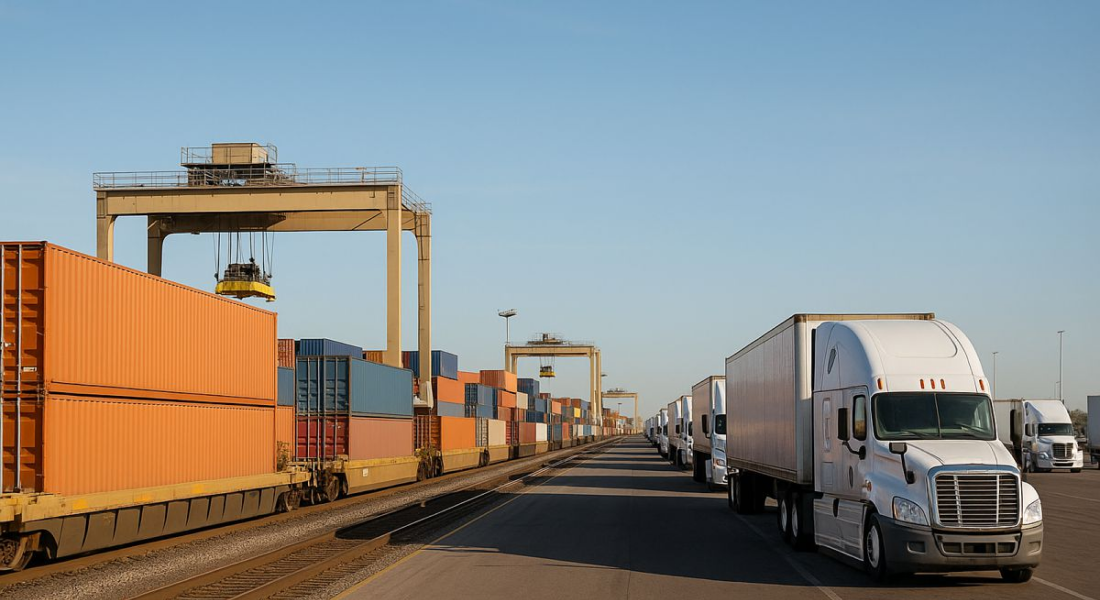
Intermodal Rail Shifts | Long-Haul Surface Freight | Up to 75% per ton-mile | Shifting long-distance loads from road to rail lines |
AI Route Optimization | All Transport Channels | 10% – 25% fuel savings | Eliminating empty miles and engine idle time |
Regulatory Drivers Shaping ESG Freight Compliance
Environmental oversight is no longer a voluntary branding choice for corporate brands. Strict government mandates across Europe and North America have turned environmental tracking into a mandatory legal requirement. Shippers must prepare their data systems to withstand formal corporate audits.
Mandatory Disclosures and Scope 3 Carbon Reporting
Government bodies are enforcing strict climate disclosure laws that require audited emissions reporting. Vague estimates based on total dollar spend are no longer acceptable for enterprise compliance.
Major regulatory directives driving ESG freight compliance include:
- The EU Corporate Sustainability Reporting Directive (CSRD): Mandates detailed, auditable reporting of Scope 3 supply chain emissions for thousands of companies operating in Europe.
- California Climate Disclosures: Requires large corporations doing business in California to report full value-chain emissions under official state rules.
- ESRS E1 Climate Standard: Enforces clear disclosures on gross Scope 3 emissions, target metrics, and progress towards net-zero goals.
To satisfy these strict legal demands, companies must adopt standardized frameworks like the Global Logistics Emissions Council (GLEC) methodology and ISO 14083. These standards ensure that your carbon reporting data is verifiable across global trade corridors.
Info: Scope 3 emissions cover all indirect value-chain emissions, including upstream transportation and downstream distribution. For most retail and manufacturing brands, logistics accounts for over 70 percent of their total environmental footprint.
International Maritime Regulations and Capital Access
Deep-sea shipping lines face continuous pressure from global maritime authorities to cut carbon output. The International Maritime Organization (IMO) enforces strict efficiency baselines across international vessel fleets.
Key maritime metrics impacting ocean freight include:
- Energy Efficiency Existing Ship Index (EEXI): Measures the technical design efficiency of active cargo ships.
- Carbon Intensity Indicator (CII): Rates a ship’s operational efficiency annually on a scale from A to E.
Failing to meet these regulatory benchmarks carries direct financial risks. Commercial banks and institutional investors evaluate corporate sustainability scores when issuing loans. Strong ESG scores help companies secure lower interest rates on green bonds. Conversely, opaque or high-emission supply chains risk losing major enterprise contracts.
Practical Industry Applications and Operational Strategies
Executing a successful low-emission transport strategy requires practical changes to daily logistics workflows. Forward-thinking companies use a combination of software automation, mode selection, and fuel investments to lower their carbon output.
Route and Load Efficiency Through Real-Time Control Towers
One of the fastest ways to reduce freight emissions is eliminating physical waste across your network. Driving empty trailers across highways wastes fuel and inflates operating expenses unnecessarily.
Modern logistics providers deploy real-time control towers to optimize shipment paths. Smart algorithms group smaller Less-than-Truckload (LTL) orders into Full Truckload (FTL) runs, maximizing space utilization. Reducing empty miles lowers total fuel burn and drops your carbon output immediately.
Optimizing Sustainable E-Commerce Logistics
Online retail brands face intense pressure from eco-conscious consumers who expect clean delivery options. Building sustainable e-commerce logistics networks requires optimizing every stage of the order fulfillment loop.
Effective e-commerce strategies include:
- Regional Inventory Placement: Storing fast-moving products closer to major customer zones to shorten final delivery distances.
- Urban Last-Mile Electrification: Using zero-emission electric freight trucks and delivery vans for city drop-offs.
- Eco-Friendly Packaging: Minimizing package box volume so more parcels fit into a single delivery vehicle.
Modal Shifting to Reduce Transport Intensity
Choosing the right transport mode delivers dramatic emission reductions without requiring expensive equipment upgrades. Air cargo is fast, but it generates significantly more emissions per ton-kilometer than ground or sea transport.
Shifting non-urgent inventory from air freight to ocean vessels or intermodal rail lines cuts carbon intensity dramatically. Rail transport moves large cargo volumes while producing roughly 75 percent fewer emissions than long-haul diesel trucks. Smart inventory planning allows shippers to utilize slower, low-emission modes without causing retail stockouts.
Carbon Insetting vs. Offsetting: What Auditors Prefer
When evaluating decarbonization options, shippers must understand the clear difference between carbon offsetting and carbon insetting. Both strategies aim to balance carbon footprints, but they work through very different mechanisms.
The key differences include:
- Carbon Offsetting: Purchasing external credits from third-party environmental projects, such as regional tree planting or forestry protection.
- Carbon Insetting: Investing directly in low-emission technologies within your own supply chain, such as funding green methanol fuel for your ocean carriers.
Note: Corporate auditors and CSRD regulators strongly favor carbon insetting over third-party offsets. Direct insetting proves your company is actively decarbonizing its core operations rather than paying to offset ongoing pollution.
Scaling Low-Emission Shipping with Green Freight Brokerage Services
Managing complex ESG rules while running a daily business can easily overwhelm internal logistics teams. Partnering with an experienced third-party logistics provider simplifies your transition toward sustainable freight transport.
Working with green freight brokerage services grants your business immediate access to audited, low-emission carrier networks. Specialized brokers evaluate carrier fleets, track vehicle emissions, and organize intermodal routing plans on your behalf.
ENorth Logistics builds custom 3PL and freight brokerage solutions tailored to your sustainability goals. We combine advanced route planning software with transparent Scope 3 carbon reporting to keep your supply chain compliant. Our team helps you balance delivery speeds, carrier costs, and environmental targets across North American and global trade lanes.
Conclusion
Succeeding in a modern global marketplace requires a disciplined approach to supply chain decarbonization, regulatory compliance, and route efficiency. Relying on unmanaged, high-emission transport grids leaves your business vulnerable to severe legal penalties, greenwashing risks, and lost enterprise contracts. Transitioning toward a structured sustainable shipping program shields your corporate ledger from unexpected compliance costs while protecting your brand reputation.
By tracking your Scope 3 emissions accurately, shifting long-haul loads to intermodal rail, and investing in direct carbon insetting, you can eliminate structural supply chain waste effortlessly. You do not have to accept unexpected regulatory surcharges or compliance blind spots that slow down your business growth.
The experienced logistics specialists at ENorth Logistics are ready to build a resilient, cost-effective, and low-emission distribution framework for your enterprise. Our team handles the complex details of route optimization, Scope 3 data tracking, and multimodal carrier sourcing so your staff can focus entirely on commercial growth.
Frequently Asked Questions About Carbon Neutral Freight Shipping
What is the main difference between carbon-neutral freight shipping and zero-emission shipping?
Carbon-neutral freight shipping balances total greenhouse gas output through operational emission cuts combined with verified offsets or insetting investments. Zero-emission shipping means the transport vehicle produces absolutely no tailpipe or lifecycle carbon emissions during operation.
Why is Scope 3 carbon reporting mandatory under the EU CSRD?
Scope 3 reporting is mandatory under CSRD because value-chain emissions represent the vast majority of a company’s total environmental footprint. Regulators require full value-chain disclosures to prevent companies from hiding their actual climate impacts behind outsourced logistics providers.
How do electric freight trucks perform in modern logistics networks?
Electric freight trucks perform exceptionally well on short-haul regional routes, urban drayage runs, and last-mile delivery loops. They eliminate localized tailpipe emissions completely and operate with lower fuel costs per kilometer. However, long-haul heavy highway transport still faces range and charging infrastructure limits.
How does carbon insetting help satisfy strict corporate ESG audits?
Carbon insetting satisfies strict audits because it funds direct emission reductions within your active supply chain. Instead of buying external carbon credits, insetting finances cleaner fuels or equipment upgrades for the carriers moving your actual goods. Auditors view this as a genuine, permanent decarbonization effort.