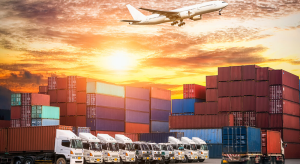
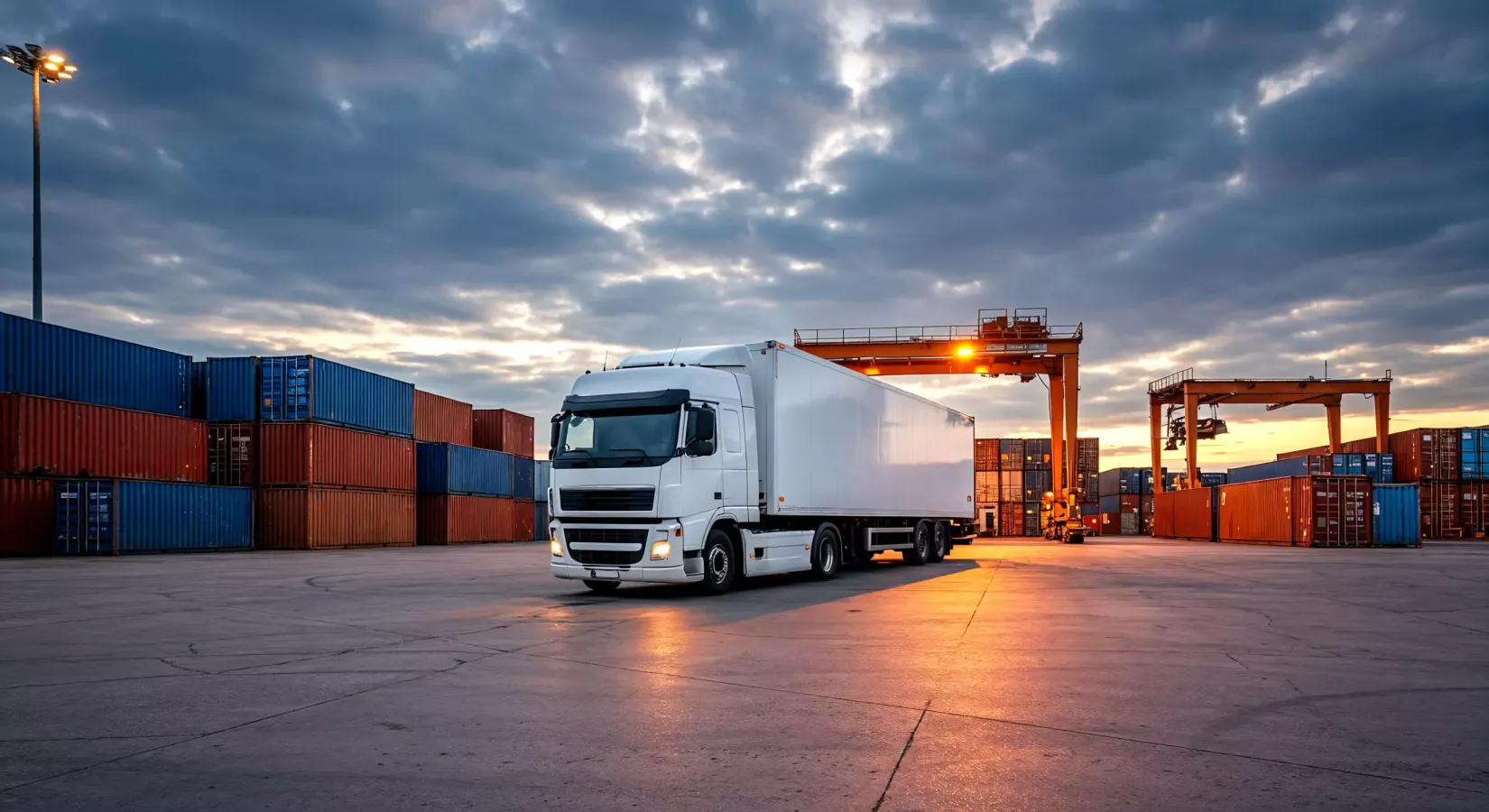
Freight is one of the hardest parts of any supply chain to make sustainable, but it’s also one of the biggest opportunities. Trucks, ships, and planes move almost everything a business sells, and that movement adds up to a real share of global emissions. Eco-friendly freight services exist to bring that number down without slowing shipments or driving up costs past what a business can absorb.
For shippers in the Greater Toronto Area and across Canada, this isn’t just about ticking an environmental box anymore. Fuel costs, provincial emissions reporting, and customer expectations are pushing green logistics from a nice-to-have into standard practice. Fleet electrification, AI route planning, and carbon offsetting are no longer experimental programs run by a handful of large carriers. They’re becoming standard offerings from mainstream 3PLs and freight brokers across the country.
This guide covers the core strategies behind sustainable shipping, the providers actually offering low emission transport in Canada, and the practical steps for getting started.
What Are Eco-Friendly Freight Services?
Eco-friendly freight services combine several practices that reduce the environmental footprint of moving goods. Rather than one single fix, green logistics works as a layered approach, with each piece covering a gap the others leave behind.
- Multimodal transport that shifts freight off high-emission modes where possible
- AI-driven route planning that cuts wasted mileage
- Green warehousing with lower energy use
- Carbon offsetting to balance out what can’t be eliminated yet
Info: No single strategy gets a supply chain to net-zero on its own. Providers combine several of these at once, which is why comparing 3PLs on sustainability means asking about more than just one initiative.
Core Strategies for Sustainable Supply Chains
Sustainable shipping rests on a handful of strategies that show up across nearly every serious green logistics program in Canada.
Multimodal Transport
Air freight moves goods fast, but it produces far more emissions per shipment than rail or sea transport. Shifting freight onto a mix of rail and ocean transit, even for part of the journey, cuts greenhouse gas output substantially without adding much transit time on longer routes.
Note: Multimodal doesn’t mean slower delivery in every case. Combining rail for long-haul legs with truck for last-mile delivery often keeps timelines close to an all-truck route while cutting emissions per shipment.
Fleet Electrification
Electric trucks are moving from pilot programs into daily use for short-haul and urban delivery routes. Range and charging infrastructure still limit electric vehicles on long-haul routes, but for last-mile delivery within cities like Toronto or Mississauga, electrified fleets already cut both emissions and fuel costs.
- Lower cost per kilometre once charging infrastructure is installed
- Zero tailpipe emissions on urban delivery routes
- Quieter operation, useful for early morning or late-night deliveries in residential areas
AI Route Optimization
Machine learning models now plan freight routes in real time, factoring in traffic, weather, and delivery windows. The biggest win is cutting “empty miles,” which is industry language for trucks driving with no cargo on board.
- Reduces idling time in congested hubs like Mississauga
- Groups shipments to fill more of each truck’s capacity
- Adjusts routes dynamically instead of relying on fixed schedules
Green Warehousing
Warehouses account for a bigger share of supply chain emissions than most shippers realize, mostly through energy use and packaging waste. Retrofitting an existing facility often costs less than shippers expect, since many upgrades pay for themselves in reduced utility bills within a few years.
- Solar power and LED lighting cut electricity draw
- Smart temperature control reduces energy use in climate-controlled storage
- Circular packaging, including biodegradable plastics and reusable containers, cuts down on landfill waste
Carbon Offsetting Programs
Many third-party logistics providers now let shippers calculate the exact carbon footprint of a shipment and fund verified carbon credits or sustainable biofuels to offset it. This doesn’t replace emissions reduction, but it covers the portion that current technology can’t eliminate yet, particularly in air and long-haul ocean freight.
Low Emission Transport Options Compared
Choosing a transport mode involves a real tradeoff between speed, cost, and emissions. There’s no single “greenest” option that works for every shipment. The right choice depends on distance, urgency, and how much volume is moving at once.
This table breaks down where each mode typically lands.
Transport Mode | Relative Emissions | Typical Use Case |
Air freight | Highest | Urgent, time-sensitive, low-volume shipments |
Truck (diesel) | High | Regional and last-mile delivery |
Truck (electric) | Low | Short-haul urban delivery where charging infrastructure exists |
Rail | Low | Long-haul, high-volume, less time-sensitive freight |
Ocean freight | Lowest per unit shipped | International, bulk, and container shipping |
A few factors are worth weighing before picking a mode for a given shipment:
- How time-sensitive is the delivery window
- Total shipment volume and whether consolidation with other freight is possible
- Distance and whether rail or ocean legs are realistically available for part of the route
- Whether the receiving location has infrastructure for electric last-mile delivery
How to Get Started with Green Logistics
Moving toward sustainable shipping works best as a sequence, starting with measurement before making any operational changes. Skipping straight to a new technology or provider without a baseline makes it hard to prove the change actually helped.
Step 1 – Calculate Your Carbon Footprint
Use the Global Logistics Emissions Council (GLEC) Framework, the industry-recognized methodology from the Smart Freight Centre, to measure your logistics emissions accurately. It’s now the basis for ISO 14083, the international standard for transport emissions reporting, which means figures calculated this way are comparable across providers and audits.
Step 2 – Audit Your Supply Chain Partners
Ask your current 3PL providers direct questions rather than accepting general sustainability claims at face value. A provider’s marketing page rarely tells you enough to compare it fairly against a competitor.
- What’s your idle-reduction strategy for trucks in congested areas?
- Have you retrofitted or replaced older, higher-emission equipment?
- Can you provide carbon-tracking data for our specific shipments?
Step 3 – Optimize Packaging and Loads
Reducing package weight and empty space lets more shipments fit into fewer vehicles, which directly cuts the number of trips needed to move the same volume of goods. This is one of the few green logistics changes a shipper can make internally, without waiting on a carrier to update its fleet or technology.
What Carbon Neutral Freight Actually Means
“Carbon neutral” gets used loosely in freight marketing, and it’s worth understanding what’s actually behind the label before choosing a provider based on it.
The Actual Definition
A shipment described as carbon neutral has usually had its emissions measured, then balanced out through verified carbon credits or investment in sustainable fuels, rather than having zero emissions in the first place. The label describes an outcome achieved through offsetting, not a shipment that produced no emissions at all.
Reduction vs. Offsetting
The distinction between reducing and offsetting emissions matters more than the label itself. A provider offsetting emissions without reducing them isn’t the same as one actively cutting fuel use through electrification or route efficiency. The strongest providers do both: reduce what they can first, through better routing and cleaner fuel, then offset only the remainder that current technology can’t eliminate.
The Business Case for Sustainable Shipping
Green logistics isn’t purely a compliance or brand exercise. It affects the bottom line directly, especially for shippers moving regular volume through Ontario’s transport corridors.
- Lower fuel costs: Route optimization and reduced idling cut fuel consumption directly, and fuel is typically the largest variable cost in freight operations.
- Regulatory readiness: Provincial and federal emissions reporting requirements are expanding, and shippers who start tracking data now avoid a scramble when reporting becomes mandatory for their sector.
- Contract retention: Corporate customers increasingly ask suppliers for carbon data before renewing contracts, particularly in retail and manufacturing supply chains.
- Lower cost per kilometre: Electrified short-haul fleets cost less to run once charging infrastructure is in place, since electricity is generally cheaper than diesel per kilometre driven.
Info: For shippers in the Greater Toronto Area specifically, minimizing freight emissions has become both an environmental necessity and a genuine cost-saving measure, since congestion and idling in the region drive up fuel costs faster than in less dense corridors.
Building Sustainable Supply Chains Beyond Transport
Freight is only one link in the chain. Shippers building genuinely sustainable supply chains look at packaging, supplier selection, and warehousing together, since improvements in one area often get undone by waste in another.
Supplier and Packaging Choices
Working with suppliers who already minimize packaging weight and use recyclable or biodegradable materials reduces the volume that needs to move in the first place. Less packaging weight means more product fits in each shipment, which lowers the number of trips required overall.
Consolidation and Load Planning
Combining smaller shipments into fewer, fuller loads cuts emissions per unit shipped, even without changing transport mode. This is often the fastest win available to a shipper, since it requires better planning rather than new equipment or infrastructure.
Final Thoughts
Green logistics in 2026 isn’t a single upgrade, it’s a combination of smarter routing, cleaner fuel choices, better warehousing, and honest carbon accounting. Shippers who start with measurement, using a recognized framework like GLEC, put themselves in a position to make real improvements instead of guessing at what’s working. The providers making the most progress tend to treat sustainability as an operational discipline rather than a marketing claim, tracking data consistently and adjusting routes and fleets based on what that data actually shows.
ENorth Logistics builds freight brokerage and 3PL plans around these exact priorities, combining multimodal options and route efficiency with transparent carbon reporting for shippers across Canada.
Frequently Asked Questions
What’s the difference between green logistics and carbon neutral freight?
Green logistics refers to the full set of practices used to reduce supply chain emissions, including route optimization and multimodal transport. Carbon neutral freight specifically means a shipment’s emissions have been measured and offset, which is one part of a broader green logistics strategy.
Does eco-friendly freight cost more than standard shipping?
Not necessarily. Route optimization and reduced idling often lower fuel costs enough to offset any premium for greener options, and multimodal transport can be cheaper than all-truck routes over long distances.
How do I calculate my company’s freight carbon footprint?
The GLEC Framework from the Smart Freight Centre is the recognized global methodology for this, and it’s now aligned with ISO 14083, the international standard for transport emissions reporting.