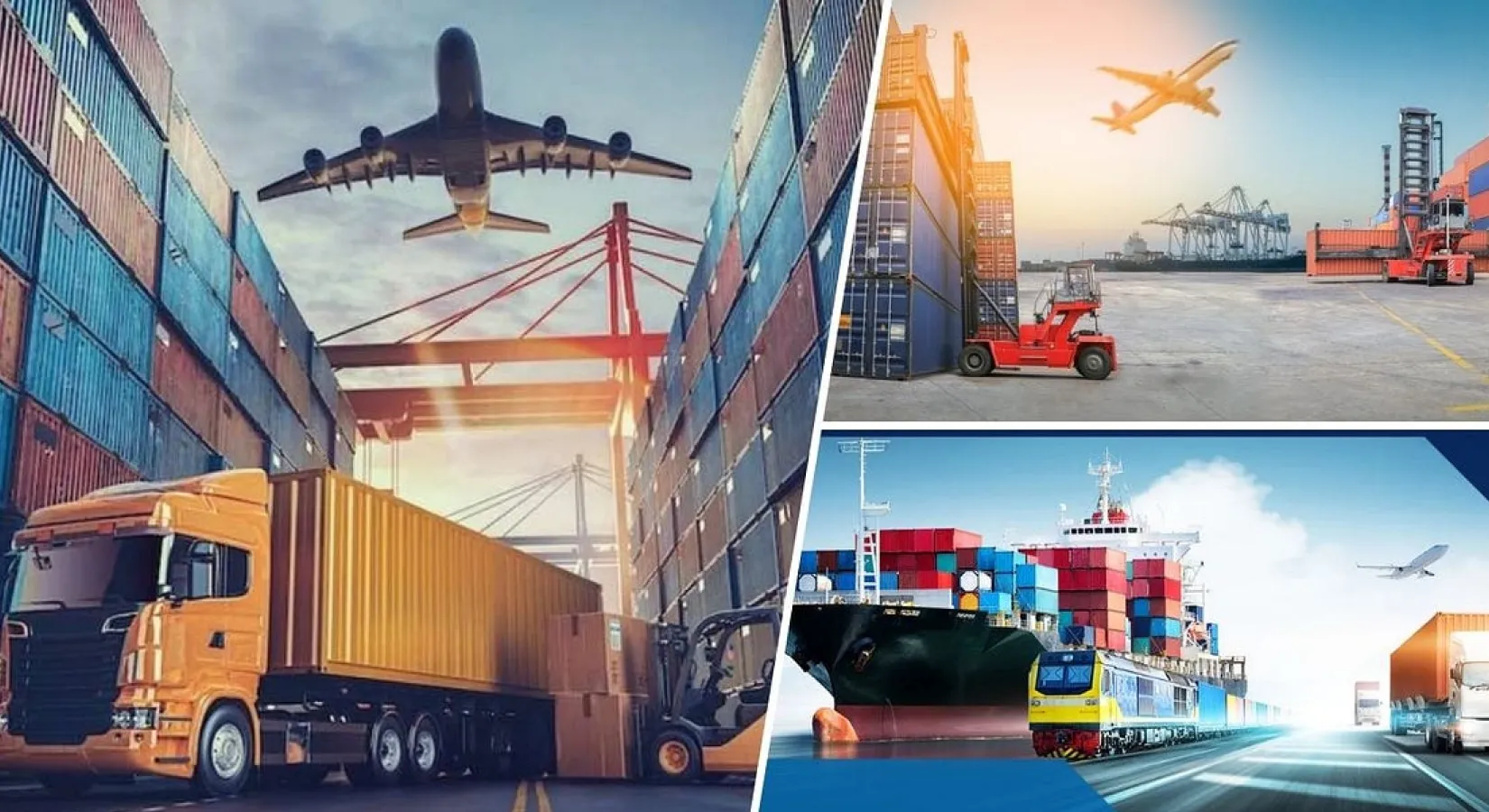
Every shipment a business sends comes with a tradeoff between speed, cost, and environmental impact. Traditional freight, built around diesel trucks and air cargo, has long been the default because it delivers unmatched speed and flexibility. Eco-friendly freight takes a different approach, leaning on rail, sea, and alternative fuel vehicles to cut emissions significantly.
Neither option is automatically the right choice for every business. The decision depends on how much weight a company puts on transit time versus environmental impact, and how volatile diesel costs are affecting the bottom line. This comparison breaks down both freight methods across three areas that matter most: sustainability, cost, and performance.
By the end, you’ll have a clearer picture of where eco-friendly freight makes sense, where traditional freight still wins, and how many businesses are landing somewhere in between with intermodal shipping methods that use both approaches strategically.
What Is Eco-Friendly Freight vs Traditional Freight?
Traditional freight relies primarily on diesel trucks and air transport, prioritizing speed and door-to-door delivery. Eco-friendly freight shifts more of that load onto rail, cargo ships, and electric or hydrogen-powered vehicles, prioritizing lower emissions and long-term cost efficiency.
Info: Most businesses don’t pick one method exclusively. Many blend both, using eco-friendly options for long-haul legs and traditional trucking for the final mile.
The distinction matters most at scale. A single shipment rarely makes a measurable environmental difference either way, but a business moving hundreds of loads a year sees a real gap open up between diesel-heavy routes and ones built around rail, sea, or electric fleets. That gap shows up in emissions reports, fuel budgets, and increasingly in contracts that require documented ESG logistics performance from shipping partners.
Sustainability Comparison – Emissions and Environmental Impact
Emissions are usually where the biggest differences between these two freight methods show up.
Traditional Freight and Its Carbon Emissions
Long-haul diesel trucks and air freight dominate traditional shipping, and both carry a heavy carbon emissions comparison against greener alternatives. Air freight in particular has the highest carbon impact of any common shipping method, largely because of the fuel burned at high altitude over long distances.
Diesel trucks also contribute to localized air pollution in the areas they travel through most, which matters for businesses paying closer attention to their environmental footprint.
Air freight sits at the far end of this carbon emissions comparison. While it moves goods faster than any other method, the fuel burned per ton of cargo is dramatically higher than sea, rail, or even standard trucking, which is why businesses reserve it mostly for urgent or high-value shipments rather than routine freight.
How Eco-Friendly Freight Cuts Emissions
Intermodal and rail transport lower climate impacts by 27% to 53% compared to all-road transport. A single freight train produces roughly 75% fewer emissions than trucks carrying the same load, and one train can replace up to 100 trucks on a single route.
Note: These reductions come from rail’s fuel efficiency per ton shipped, not from carrying less cargo. Rail moves comparable freight volume using a fraction of the fuel.
Electric and Hydrogen Fleet Options
An electric fleet eliminates tailpipe emissions entirely at the point of use, making it a strong option for regional and shorter-haul routes. Green hydrogen is emerging as the likely solution for zero-emission, heavy-duty, long-haul transport, where battery weight and charging time still limit electric trucks.
- Electric trucks work well for shorter, predictable routes with charging infrastructure in place.
- Hydrogen fuel cells suit longer routes where battery range falls short.
- Diesel trucks remain the default where alternative fueling infrastructure isn’t yet available.
Why ESG Logistics Reporting Is Changing Freight Decisions
Sustainability reporting used to be a side project for large corporations. Now it’s a factor many businesses weigh directly into their freight strategy.
Growing Pressure From Customers and Partners
More businesses face pressure from customers, investors, and supply chain partners to report on emissions across their logistics network. Freight, being one of the most visible sources of a company’s carbon footprint, is often the first place these ESG logistics targets get applied.
How Shipping Choices Affect ESG Scores
A company that shifts even a portion of its volume from diesel trucks to rail or electric fleets can show a measurable improvement in its reported emissions. This shift doesn’t require abandoning traditional freight entirely, since partial adoption still moves the needle on year-over-year reporting.
Note: ESG reporting standards vary by industry and region, so it’s worth checking which emissions metrics your specific reporting requirements actually track before choosing a freight strategy built around them.
Cost Comparison – Diesel Volatility vs Long-Term Savings
Cost comparisons between these shipping methods often favor eco-friendly freight over time, even with higher upfront investment.
Traditional Freight Costs and Diesel Surcharges
Traditional freight is highly exposed to volatile diesel prices. Fuel surcharges often add 20% to 40% on top of base shipping rates, and that number climbs further whenever global oil prices spike. This volatility makes budgeting harder for businesses that rely heavily on diesel trucks.
Fixed shipping contracts rarely protect against this volatility for long. Most carriers pass diesel surcharges through directly, which means a business locked into a fuel-intensive shipping method absorbs oil price swings almost as directly as if it were buying the fuel itself.
Cost Savings With Eco-Friendly Shipping Methods
Shifting loads from road-only transport to rail or cargo ships can provide 20% to 40% in cost savings. Alternative fuel trucks require higher upfront capital investment, but lower fuel costs and reduced maintenance needs typically offset that investment over the vehicle’s operating life.
Info: The breakeven point for electric or hydrogen fleets depends heavily on route length and how often the vehicles run. High-mileage routes recover the upfront cost faster than occasional-use fleets.
Businesses that ship high volumes on predictable, repeatable routes tend to see the fastest return on switching to eco-friendly methods, since both the fuel savings and the rail or sea discounts compound with every additional shipment.
How Technology Reduces Freight Costs
AI-driven route optimization and load planning reduce empty miles, which translates directly into fuel savings for any freight method. Businesses using smarter routing tools often see cost benefits regardless of whether their fleet runs on diesel or electricity.
These tools also help identify which shipments make sense for a mode shift in the first place. Route planning software can flag which lanes have reliable rail access nearby, making it easier to test an intermodal option without disrupting an entire shipping network at once.
Performance and Logistics Comparison
Speed and flexibility are where traditional freight still holds a clear advantage in most cases.
Traditional Freight’s Speed and Flexibility
Over-the-road trucking offers unmatched flexibility and true door-to-door delivery. It remains the benchmark for speed, especially for time-critical shipments where any delay carries real business costs.
This flexibility extends beyond speed alone. Trucking can adjust routes on short notice, reroute around disruptions, and reach locations that rail lines and shipping ports simply don’t serve, which keeps it essential even for businesses shifting most of their volume to greener methods.
Eco-Friendly Freight’s Transit Time Tradeoffs
Switching to rail or sea naturally extends transit times compared to direct truck routes. A shipment moving by rail typically takes longer than the same shipment moving by truck, since rail networks involve more scheduled stops and terminal handling.
For non-urgent freight, this tradeoff is often manageable. Inventory that’s replenishing a warehouse on a regular schedule, rather than fulfilling an urgent customer order, can usually absorb a few extra days in transit without disrupting operations.
Balancing Speed and Sustainability With Intermodal Models
Intermodal freight balances these tradeoffs by using rail for the bulk long-haul distance and trucks for the final mile. Smart Transportation Management Systems (TMS) help logistics operators optimize these handoffs, reducing idle time and minimizing bottlenecks between transport modes.
Note: Intermodal shipping works best when the origin and destination both have reliable rail or port access. Routes without that infrastructure usually stay faster and simpler by truck alone.
Eco-Friendly Freight vs Traditional Freight at a Glance
Factor | Traditional Freight | Eco-Friendly Freight |
Primary emissions | High, especially air and diesel trucking | 27% to 53% lower via rail and intermodal |
Cost structure | Exposed to diesel surcharges (20-40%) | 20-40% savings via rail or sea shipping |
Speed | Fastest, especially door-to-door | Slower, particularly for rail and sea legs |
Fleet options | Diesel trucks | Electric fleet and hydrogen-powered vehicles |
Best fit | Time-critical, short-haul shipments | Long-haul, high-volume, sustainability-focused shipments |
Choosing Between Eco-Friendly and Traditional Freight
The right shipping methods comparison depends on what a business actually needs to prioritize. A few questions help clarify the decision:
- How time-sensitive are your shipments? Rail and sea transit times may not fit urgent deliveries.
- Are diesel surcharges eating into your margins more than they used to?
- Does your business report on ESG logistics goals that require lower emissions?
- Could an intermodal approach cover long-haul distance by rail while trucks handle the final mile?
Businesses under pressure to meet ESG logistics targets often find that even a partial shift toward rail or electric fleets makes a measurable difference, without giving up the flexibility trucking still provides for last-mile delivery.
There’s no universal right answer here. A regional distributor moving time-sensitive goods across short distances may stay almost entirely on diesel trucks and still run an efficient operation. A national manufacturer shipping bulk goods across the country has far more to gain from shifting long-haul legs to rail. The starting point is the same either way: map out which routes are flexible on timing and which aren’t, then test eco-friendly options on the ones that are.
Conclusion
Eco-friendly freight and traditional freight solve different problems. Traditional shipping still wins on raw speed and flexibility, particularly for urgent or door-to-door deliveries. Eco-friendly freight wins on emissions and, increasingly, on long-term cost savings as diesel prices stay volatile and electric or hydrogen fleets mature.
ENorth Logistics helps businesses weigh these tradeoffs against their actual shipping needs, whether that means staying with traditional freight, shifting toward greener shipping methods, or blending both through an intermodal approach.
Not sure which freight strategy fits your business? Talk to ENorth Logistics about a shipping plan built around your priorities.
Frequently Asked Questions
Is eco-friendly freight more expensive than traditional freight?
Not usually over the long term. While electric and hydrogen vehicles cost more upfront, shifting loads to rail or sea can save 20% to 40% compared to road-only transport, and lower fuel and maintenance costs offset the initial investment.
Which freight method is better for urgent shipments?
Traditional freight, particularly trucking, remains the faster option for time-critical deliveries. Eco-friendly methods like rail and sea transport generally involve longer transit times.
What is intermodal freight?
Intermodal freight combines multiple transport methods, typically using rail or sea for the long-haul distance and trucks for the first and last mile, balancing speed with lower emissions.
Do electric trucks work for long-haul routes?
Electric trucks currently suit shorter, more predictable routes better than long-haul ones, due to battery range and charging time. Hydrogen fuel cells are emerging as a better fit for heavy-duty, long-haul transport.