Expedited and hot shot freight are worth the premium the moment the cost of a delay is higher than the cost of paying to avoid it. A factory line down $10,000 an hour, a lost client contract, or a spoiled perishable shipment will always outweigh a $1,000–$5,000 freight bill — that single comparison is the decision rule shippers should apply before booking either service.
This guide explains exactly how expedited and hot shot freight work, how they differ from each other and from final mile logistics, what they cost in 2026, and how to know when the premium is genuinely worth paying versus when standard freight will do the job just as well.
What Is Expedited Freight?
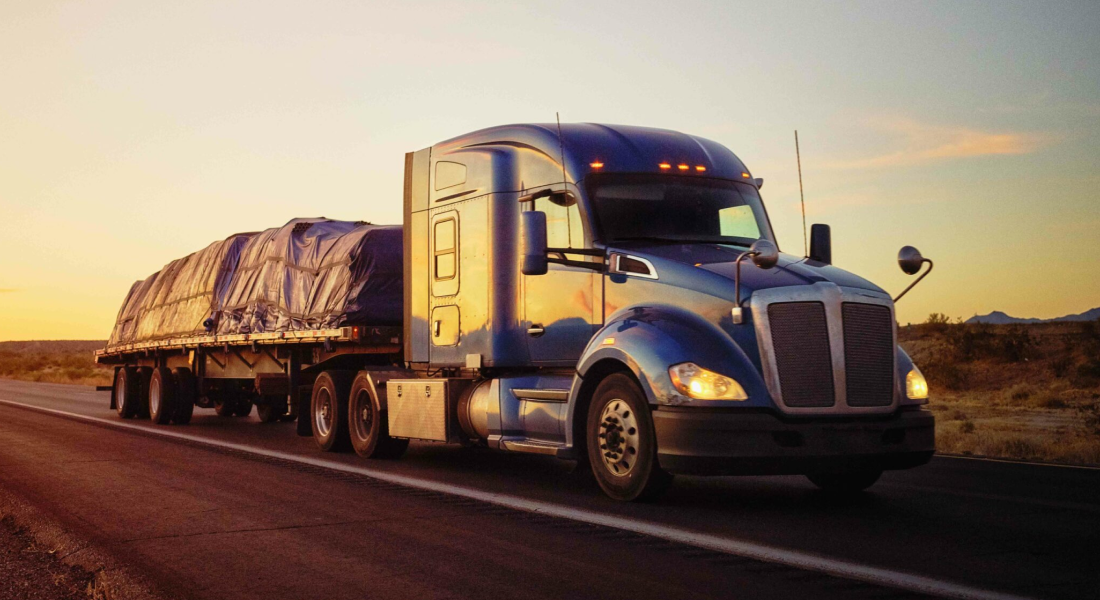
Expedited freight is a premium shipping service that moves a shipment directly from pickup to delivery, using a dedicated vehicle that makes no stops for other loads along the way. It skips the hub-and-spoke network that standard freight relies on, which is where most of the time savings comes from.
Because the truck isn’t consolidating multiple shipments through distribution terminals, expedited freight typically delivers in one to three business days versus the three to seven-plus days standard shipping usually takes. That speed comes from point-to-point routing, not from driving faster — expedited carriers still follow the same hours-of-service rules as everyone else.
Expedited freight fits situations like:
- A factory that’s about to run out of a critical part
- Retail goods or medical supplies that must clear a strict cutoff time
- Contracts with penalty clauses for late delivery
- Freight where any delay creates cascading downstream costs
What Is Hot Shot Freight?
Hot shot freight is expedited delivery for smaller or partial loads, typically hauled with a medium-duty (Class 3–5) pickup truck pulling a trailer rather than a full semi-truck. It fills the gap between “too small for a full truckload” and “too urgent to wait for LTL consolidation.”
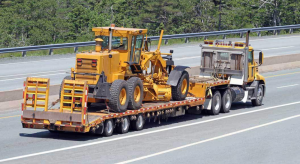
Hot shot trucking grew out of the oilfield service industry, where equipment and parts needed to reach remote drill sites fast, and it’s still concentrated in construction, energy, and agricultural freight today. A single piece of heavy equipment or a handful of pallets that would otherwise ride half-empty in a 53-foot trailer moves more efficiently — and often faster — on hot shot equipment.
Hot shot freight fits situations like:
- A single or partial piece of heavy equipment
- Urgent parts for an oilfield or construction job site
- Loads too small to justify booking a full-size tractor-trailer
- Remote job sites that a standard carrier network doesn’t serve well
Expedited vs. Hot Shot Freight: What’s the Real Difference?
Expedited freight is a speed guarantee that can use any size truck, while hot shot freight is specifically a smaller-equipment solution that happens to also be fast. The two overlap constantly — most hot shot freight is expedited by nature — but they solve slightly different problems.
| Factor | Expedited Freight | Hot Shot Freight |
|---|---|---|
| Typical equipment | Sprinter van up to full semi-truck | Class 3–5 medium-duty truck + trailer |
| Load size | Any size, including full truckload | Single or partial loads |
| Core industries | Manufacturing, medical, retail, general freight | Oilfield, construction, agriculture |
| Routing | Point-to-point, dedicated vehicle | Point-to-point, dedicated vehicle |
| 2026 rate range | Varies by mode; often $2.00–$5.00+/mile for true expedite | $1.50–$4.50+/mile depending on urgency and equipment |
| Best for | Any urgent shipment regardless of size | Small, urgent, or specialized single-item loads |
How Does Final Mile Logistics Relate to Expedited and Hot Shot Freight?
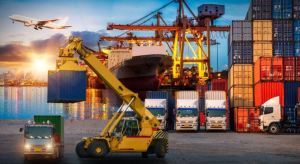
Final mile logistics is the last leg of the supply chain — moving goods from a local hub or warehouse to their final destination, whether that’s a customer’s doorstep, a job site, or a retail shelf. It’s a separate concept from expedited or hot shot freight, but the three intersect constantly in time-sensitive shipping.
Final mile is widely considered the most expensive and least efficient part of the supply chain, often accounting for a disproportionate share of total shipping cost because of individual stops, traffic, and failed delivery attempts. When a shipment needs to complete that final mile on an urgent timeline — a same-day part delivery, an emergency medical shipment — expedited or hot shot service is frequently the mode used to make it happen, because standard final mile carriers run consolidated routes that can’t guarantee a specific arrival window.
In practice, that means a shipment can be “expedited” for the long-haul portion of its trip and still need a specialized final mile provider to complete delivery to a residential address, a hospital loading dock, or a remote job site that a standard carrier network doesn’t reach efficiently.
When Does the Premium Actually Make Sense?
The premium is justified whenever the financial or operational cost of waiting exceeds the cost of paying to avoid the wait — this is the single test that should drive every expedited or hot shot booking decision.
Situations where the math clearly favors paying the premium:
- Production downtime. A closed factory line can cost tens of thousands of dollars per hour; a $1,000–$3,000 expedited freight bill to deliver a replacement part is a rounding error by comparison.
- Contract penalties. Missing a delivery deadline that triggers a penalty clause, or damages a multi-thousand-dollar client relationship, almost always costs more than the freight premium.
- Perishable or high-risk cargo. Goods that can’t tolerate sitting in a standard hub-and-spoke network for multiple days — food, pharmaceuticals, live materials — often have no standard-shipping alternative at all.
- Remote or time-critical job sites. Oilfield and construction sites lose money for every hour equipment sits idle waiting on a part; hot shot delivery is frequently the cheapest way to end that downtime.
Situations where standard shipping is still the better call:
- Routine restocking with no hard deadline
- Freight where a one-to-two-day delay has no measurable cost
- Full truckload volumes where consolidated LTL or standard truckload pricing is already efficient
What Do Expedited and Hot Shot Freight Cost in 2026?
Hot shot rates in 2026 average roughly $1.50–$2.50 per mile for standard loads, with urgent or specialized freight — oilfield equipment, oversized loads, true emergency dispatch — commonly reaching $3.00 to $5.00 or more per mile. Rates vary significantly by lane, load type, season, and how much carrier capacity exists in that specific corridor.
Freight moving through dense industrial corridors — the Permian Basin and Bakken energy regions, Gulf Coast and Great Lakes manufacturing zones, and Southeast/Mountain West construction markets — tends to see steadier hot shot demand and more competitive rates than remote or low-activity lanes, where fewer carriers are willing to run and rates climb accordingly. Diesel prices, which reached roughly $4.80 per gallon nationally in mid-July 2026, are also a meaningful input cost that shows up in quoted rates.
Expedited freight using larger equipment (sprinter van through full semi-truck) prices differently than hot shot, since it’s sold primarily on guaranteed transit time and dedicated-vehicle use rather than equipment class — but the same underlying rule applies: the more urgent and less flexible the timeline, the higher the premium over standard freight.
How to Decide: Expedited, Hot Shot, or Standard Freight?
- Calculate the real cost of delay. Put a dollar figure on downtime, penalty clauses, or spoilage before comparing it to a freight quote — this is the number that actually settles the decision.
- Check the load size. A single item or partial load that’s urgent points toward hot shot; a full truckload that’s urgent points toward standard expedited service.
- Identify how remote the destination is. Job sites and rural locations with thin standard carrier coverage often need hot shot or expedited service simply because no consolidated route serves them fast enough.
- Confirm the timeline standard freight can actually hit. If standard transit time (three to seven-plus days) comfortably beats your deadline, the premium isn’t buying you anything.
- Get quotes from carriers who specialize in the mode you need. Hot shot and expedited carriers price and dispatch differently than standard truckload carriers, so a specialist quote is usually more accurate than a generalist one.
Frequently Asked Questions
What’s the difference between expedited freight and hot shot freight?
Expedited freight is defined by guaranteed speed using a dedicated, point-to-point vehicle of any size, while hot shot freight specifically uses medium-duty (Class 3–5) trucks for smaller or partial loads. Most hot shot freight is also expedited, but not all expedited freight qualifies as hot shot.
How much does hot shot freight cost per mile in 2026?
Hot shot rates in 2026 typically range from $1.50 to $2.50 per mile for standard loads, with urgent, oversized, or oilfield freight commonly reaching $3.00 to $5.00 or more per mile depending on lane, season, and equipment demand.
Is expedited freight worth the extra cost?
It’s worth it whenever the cost of a delivery delay — lost production, contract penalties, spoiled goods — is higher than the freight premium itself. For routine shipments with no hard deadline, standard shipping is almost always the more cost-effective choice.
What industries use hot shot trucking the most?
Oilfield and energy services, construction, and agriculture are the heaviest users of hot shot trucking, since these industries regularly need urgent equipment and parts delivered to job sites that standard freight networks don’t serve efficiently.
How is final mile logistics different from expedited freight?
Final mile logistics refers specifically to the last leg of delivery — from a local hub to the final destination — while expedited freight refers to a speed-guaranteed shipping method that can apply to any leg of a shipment’s journey, including long-haul. The two frequently combine when a time-critical shipment also needs specialized final mile handling.
Can hot shot trucks carry full truckload freight?
No — hot shot trucking is built around medium-duty trucks pulling trailers for single or partial loads. Full truckload volumes are typically better served by standard expedited freight using a full semi-truck, which offers far more capacity per trip.
What’s the typical transit time for expedited freight versus standard shipping?
Expedited freight typically delivers in one to three business days, compared to three to seven-plus business days for standard shipping. The difference comes from skipping multi-stop distribution hubs, not from higher vehicle speeds.
Do expedited and hot shot rates change by season?
Yes — hot shot rates tend to peak in spring and summer when construction activity is highest, while oilfield-driven demand fluctuates with energy prices and can spike sharply during equipment downtime events regardless of season.