Moving commercial cargo efficiently requires finding the right transportation partner. When setting up your shipping strategy, you face an immediate decision about who will handle your freight. Shippers often hear two terms thrown around constantly in supply chain discussions: freight broker and carrier. Understanding the key differences between a freight broker vs carrier helps you choose the best shipping model for your business.
Both play essential roles in moving goods across highway networks, but they operate under completely different business models. A broker acts as an expert middleman who organizes transportation, while a carrier physically owns the trucks that drive down the road. Selecting the wrong option for your specific cargo lanes can result in higher shipping costs, missed delivery deadlines, or unexpected transit delays. This detailed comparison breaks down how both options function, how their rates are calculated, and how to choose the right fit for your commercial supply chain.
What is a Freight Broker?
Freight brokers serve as the primary coordinators of the commercial trucking industry. They bring shippers and trucking fleets together through technology, industry relationships, and active rate negotiation.
How a Freight Broker Company Operates
A freight broker company is a licensed intermediary that connects businesses needing to ship cargo with licensed motor carriers that have available trailer space. Freight brokers do not own physical semi-trucks, and they do not employ truck drivers directly. Instead, they act as an outsourced logistics department for commercial shippers.
When a shipper needs to move a load, the broker uses specialized software for load matching. This technology pairs the shipper’s specific cargo requirements with an independent carrier operating in that exact region. Brokers evaluate live market trends to negotiate fair freight broker rates, manage shipping documentation, and audit carrier credentials. By tapping into a vast carrier network, a broker can source specialized equipment like flatbeds, refrigerated trailers, or dry vans on short notice.
Info: Freight brokers must maintain active operating authority from the Federal Motor Carrier Safety Administration (FMCSA) and hold a minimum $75,000 surety bond to protect shippers and carriers financially.
What is a Freight Carrier?
Freight carriers are the physical backbone of the commercial transportation sector. They own the equipment, employ the drivers, and move goods directly from origin to destination.
How Carriers Manage Physical Fleet Operations
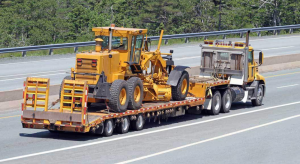
A freight carrier is the actual trucking company that takes physical custody of your goods. Carriers range in size from single-truck owner-operators to massive national fleets operating thousands of tractors and trailers. They are responsible for driving the vehicles, maintaining mechanical equipment, and following highway safety regulations.
Because carriers take direct physical possession of your cargo, they carry primary legal responsibility for safe delivery. Under federal shipping laws, a carrier assumes direct liability for cargo loss or damage while the goods are under their control. They purchase specialized motor cargo insurance policies to cover potential transit risks.
Note: When a driver signs your Bill of Lading (BOL) at the loading dock, the carrier assumes legal custody of your cargo until the receiving party signs the delivery receipt.
Key Differences – Freight Broker vs Carrier Comparison
To choose the right partner, you need a clear overview of how these two shipping models compare across operational metrics. Evaluating their core differences clarifies how each option impacts your daily shipping workflow.
Review this scannable reference table to compare operational metrics side by side:
Operational Feature | Freight Broker Company | Freight Carrier |
Asset Ownership | Non-asset based; owns zero trucks or trailers | Asset-based; owns or leases physical trucks |
Cargo Handling | Never physically touches or loads cargo | Directly loads, handles, and transports cargo |
Transit Liability | Indirect liability; verifies carrier insurance | Direct legal liability for cargo loss or damage |
Equipment Availability | Broad access across an entire carrier network | Restricted strictly to their owned fleet size |
Pricing Model | Market-driven spot rates and negotiated quotes | Direct contract pricing or asset-based spot quotes |
Primary Advantage | High operational flexibility and regional scalability | Dedicated shipping lanes and direct driver contact |
Deep-Dive Comparison – Pros, Cons, and Operational Roles
Deciding how to route your freight requires looking closely at three operational factors: equipment flexibility, liability handling, and pricing mechanics. Each shipping model offers distinct advantages depending on your shipping volume.
Asset Ownership and Equipment Flexibility
Working with a broker gives you access to virtually unlimited trailer options. If your business needs a dry van on Monday, a refrigerated unit on Wednesday, and a flatbed on Friday, a broker can arrange all three effortlessly. They source capacity from thousands of independent fleets across the country.
Carriers are limited by the physical size and type of their active fleet. If an asset-based carrier only owns standard 53-foot dry vans, they cannot help you move temperature-sensitive food or oversized machinery. However, using a direct carrier on fixed routes guarantees that the same equipment and drivers handle your products consistently.
Key operational flexibility points include:
- Brokers scale capacity fast: Quickly cover sudden volume surges without investing in physical trucks.
- Carriers provide dedicated equipment: Secure static, long-term trailer placement at your loading docks.
- Brokers offer multi-equipment access: Easily source specialized trailers like step-decks, removable goosenecks, or vented vans.
Liability, Insurance, and Risk Management
Understanding who holds financial responsibility during a freight claim is critical for risk management. When you hire a direct carrier, they carry primary cargo liability under the Carmack Amendment. If a carrier’s truck flips or catches fire, you file a formal claim directly with that carrier’s insurance provider.
Brokers carry indirect liability. They do not hold physical custody of the goods, so their primary duty is ensuring they hire safe, fully insured carriers. Reputable brokers maintain contingent cargo insurance to protect shippers if a primary carrier’s insurance fails. They also audit motor carrier safety records before assigning any load.
Important risk management factors to remember:
- Direct claim processing: Carriers handle damage claims directly through their primary motor cargo policies.
- Pre-dispatch carrier vetting: Brokers check carrier safety ratings, active authority, and insurance certificates before dispatching a truck.
- Contingent policy coverage: Top brokers hold extra insurance layers to protect shippers against carrier insurance defaults.
Pricing Structure and Freight Broker Rates
Pricing mechanics vary noticeably between brokers and direct carriers. Freight broker rates fluctuate based on live spot market supply and demand. If a specific shipping lane has more available trucks than cargo, brokers can secure very low rates for shippers. Conversely, during peak harvest or holiday seasons, broker rates rise as truck capacity tightens.
Direct carriers calculate their rates using fixed operational costs, including diesel fuel, driver wages, truck maintenance, and equipment loans. They prefer long-term contract pricing that stays static for six to twelve months. While contract rates offer high budget predictability, they may be higher than spot market rates during slow shipping months.
When to Choose a Freight Broker vs. a Direct Carrier
Selecting between a broker and a direct carrier isn’t an all-or-nothing choice. Many successful commercial enterprises utilize both options simultaneously to build a resilient supply chain.
When a Freight Broker Makes Sense
Partnering with a freight broker company is the ideal choice if your shipping patterns vary or if you move goods across diverse geographic regions.
A broker is your best option when:
- Moving freight across inconsistent routes: You ship to random customer locations rather than fixed warehouse hubs.
- Managing seasonal volume spikes: Your business experiences sudden shipping surges that exceed your standard carrier limits.
- Requiring varied trailer types: You need access to specialized temperature-controlled or flatbed equipment on short notice.
- Handling spot market quotes: You want to capitalize on sudden market rate drops across competitive shipping lanes.
When Working Directly with a Carrier Makes Sense
Contracting directly with an asset-based carrier works best when your shipping patterns are predictable and highly repetitive.
A direct carrier is your best option when:
- Running high-volume dedicated lanes: You move multiple truckloads every week between the exact same factory and distribution center.
- Requiring specialized driver routines: Your cargo requires driver-load-and-unload labor or strict, recurring delivery windows.
- Demanding static budget contracts: You want fixed per-mile pricing locked in for full fiscal years.
- Building direct driver relationships: You prefer having the exact same drivers back into your loading docks every morning.
How Freight Brokers and Carriers Work Together
It is a common misconception that brokers and carriers are aggressive competitors. In reality, they maintain a highly collaborative relationship that keeps the commercial transportation industry moving.
Brokers help small and mid-sized carriers keep their trailers full. Over 90 percent of trucking companies in North America operate six or fewer trucks. These small fleets do not have the marketing budgets or sales teams needed to find corporate shipping clients. Brokers provide these carriers with steady freight, helping them eliminate empty backhaul miles.
In return, carriers provide brokers with the physical assets needed to fulfill shipping contracts. Automated load matching platforms allow brokers to fill empty trailer space quickly, which stabilizes freight rates and reduces carbon emissions caused by empty trucks driving on highways.
Choosing the Right Logistics Strategy with ENorth Logistics
Building an efficient transportation strategy requires balancing cost, flexibility, and reliability. At ENorth Logistics, we deliver transparent logistics solutions tailored to your commercial shipping needs.
We bridge the gap between shippers and top-tier carriers by offering access to an extensively vetted carrier network. Our expert team manages load matching, documentation checks, and active shipment tracking so your internal staff can focus on core business growth. Whether you need flexible spot market capacity or dedicated shipping solutions, ENorth Logistics provides competitive freight broker rates and dependable service across North America.
Conclusion
Succeeding in commercial logistics requires picking the right transportation model for your specific cargo profile. Relying exclusively on direct carriers can limit your operational flexibility and leave you stranded during sudden capacity crunches. Conversely, relying solely on spot brokers for predictable, high-volume lanes can lead to unnecessary price volatility.
By understanding the distinct advantages of both brokers and carriers, you can structure a balanced supply chain that maximizes budget efficiency and protects your inventory. You do not have to handle complex carrier vetting or lane negotiations alone.
The experienced logistics team at ENorth Logistics is ready to streamline your shipping operations. We provide access to clean equipment, competitive rates, and real-time tracking so your freight moves smoothly from dock to dock. Contact our customer support desk today to review your lane requirements and request an accurate quote for your next shipment.
Frequently Asked Questions (FAQs)
What is the main difference in a freight broker vs carrier setup?
The main difference lives in asset ownership and physical cargo handling. A freight carrier physically owns the trucks, employs drivers, and transports the goods. A freight broker is a licensed non-asset middleman who arranges transportation by connecting shippers with independent carriers.
Does a freight broker company take physical possession of my freight?
No, a freight broker company never takes physical possession of your cargo. They manage the logistics, rate negotiations, and carrier vetting behind the scenes. The asset-based carrier assigned by the broker is the entity that physically loads and transports your goods.
Are freight broker rates higher than direct carrier rates?
Not necessarily. While brokers add a service margin to cover their management work, they often secure lower base rates than individual shippers can get. Because brokers manage high shipping volumes across broad networks, they leverage market data to find competitive pricing that offsets their margin.
How does load matching benefit commercial shippers?
Digital load matching pairs your specific cargo requirements with carriers that already have empty trucks moving along your exact shipping lane. This eliminates empty backhaul miles for the carrier, resulting in faster truck sourcing, reliable transit times, and lower overall freight costs for the shipper.