
Moving commercial goods from one point to another requires precision, timing, and industry connections. For businesses that manufacture or distribute products, finding a reliable truck for every single shipment is an exhausting process. The North American trucking market is highly fragmented. Because thousands of independent trucking companies operate different equipment across different regions, finding available capacity at a fair price takes hours of phone calls and emails.
This is where third-party logistics professionals step in to handle the heavy lifting. Utilizing freight brokerage services removes the daily stress of transportation management. Instead of guessing which trucking company is available, shippers rely on experts to coordinate the entire process. At ENorth Logistics, we help businesses streamline their supply chains through reliable transportation connections. This complete guide explains exactly how freight brokers operate, the benefits they offer, and how they protect your business during transit.
Understanding the Basics of Freight Transportation
Before reviewing the specific steps of shipping coordination, you must understand the role of a broker in the supply chain. Shippers often confuse brokers with actual trucking companies. Clarifying this distinction helps you understand where a broker provides the most value.
What is a Freight Broker Company?
A freight broker company acts as a licensed bridge connecting shippers with qualified motor carriers. Shippers are the businesses that need to move goods. Carriers are the trucking companies that have the physical capacity to move those goods.
Brokers do not own their own trucks or employ truck drivers. Instead, they operate as expert middlemen. They use their deep market knowledge, software platforms, and relationships to arrange transportation. A broker handles the entire transaction from the moment a load is tendered until the goods are delivered safely to the receiver.
Info: The Federal Motor Carrier Safety Administration (FMCSA) requires all legitimate freight brokers to maintain active operating authority and hold a surety bond. This legal framework protects shippers from financial fraud.
How Freight Brokerage Works – Step-by-Step
A successful freight movement requires several coordinated steps happening in the background. A shipper simply sends the load details to their broker. The broker then executes a structured sequence of tasks to ensure the freight arrives on time and on budget.
Analyzing Needs and Load Matching
The process begins when a shipper submits a load request. The broker reviews the origin, destination, commodity type, weight, and required pickup times.
Once the requirements are clear, the broker begins the load matching phase. They scan their database to find trucking companies with the exact equipment needed for the job.
- Dry Van: Used for standard, boxed, or palletized ambient freight.
- Refrigerated (Reefer): Required for temperature-sensitive goods like food and pharmaceuticals.
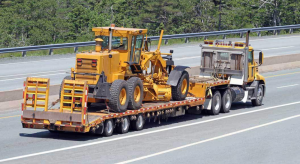
- Flatbed: Needed for oversized machinery, lumber, or construction materials.
- Specialized Equipment: Sourced for heavy haul or hazardous materials.
Vetting the Carrier Network
Finding a truck is only the first part of the job. Ensuring that the truck is legally allowed to operate is far more important. A professional broker maintains a strict compliance department to review every carrier before assigning them a load.
When pulling from their carrier network, a broker checks several critical data points:
- Active FMCSA operating authority.
- Valid auto liability and cargo insurance policies.
- Satisfactory safety ratings and inspection histories.
- References from past transportation partners.
Managing Freight Broker Rates and Negotiation
Pricing in the trucking industry fluctuates daily based on seasonal demand, fuel costs, and regional truck availability. Shippers who try to book trucks directly often overpay because they lack visibility into the live market.
Brokers analyze current market data to determine fair freight broker rates. They negotiate directly with the trucking companies to secure competitive pricing on behalf of the shipper. Because brokers provide steady freight volumes to their carriers, they can often secure lower rates than an individual shipper could negotiate on their own.
Handling Documentation and Contracts
Commercial shipping requires strict documentation. A single missing document can stall a truck at a weigh station or cause a receiver to reject a delivery. Brokers manage the mountain of paperwork required to keep freight moving legally.
A broker prepares and manages the following documents:
- Rate confirmation agreements with the carrier.
- The Bill of Lading (BOL) outlining the cargo details.
- Customs paperwork for cross-border shipments.
- Proof of Delivery (POD) receipts for final billing.
Note: Proper documentation ensures that the correct freight class is applied. This prevents unexpected accessorial charges or billing disputes after the shipment is completed.
Tracking Transit and Solving Problems
Even with perfect planning, transit delays occur. Bad weather, traffic accidents, and mechanical breakdowns are unavoidable realities of highway transportation.
A broker provides active shipment tracking from origin to destination. They use GPS software and driver check-in calls to monitor the progress of the load. If a truck breaks down, the broker immediately sources a replacement truck (a process known as a repower) to keep the shipment moving. They act as the single point of contact, providing the shipper with real-time updates and peace of mind.
Why Shippers Rely on Freight Brokerage Services
Partnering with a third-party logistics provider transforms a stressful shipping department into a highly efficient operation. Businesses across retail, manufacturing, and food distribution use brokers to gain a competitive edge in their respective markets.
Saving Time and Administrative Resources
Time is the most valuable asset for any business owner or supply chain manager. Without a broker, your internal team must spend hours calling dozens of different trucking companies just to cover a single load.
By outsourcing this task, your shipping department sends one email to your broker. The broker handles the phone calls, the negotiations, and the carrier vetting. This frees your internal staff to focus on core business tasks like warehouse management, customer service, and product development.
Access to a Massive Carrier Network
The North American trucking industry is incredibly vast. Industry data shows that over 90 percent of trucking companies operate fewer than six trucks. It is impossible for a single shipper to build relationships with thousands of these small fleets.
A freight broker gives you instant access to a massive, vetted carrier network. Whether you need a truck in a remote rural town or right in the middle of a bustling city, the broker already has connections in that specific region. This network depth guarantees capacity availability even during chaotic peak shipping seasons.
Cost Efficiency and Competitive Pricing
Working with a broker helps businesses control their transportation budgets. Because brokers understand regional rate variations and seasonal capacity constraints, they know exactly what a fair price should be.
They pit carriers against each other in a competitive bidding process to secure the best rate for your specific lane. Additionally, brokers can analyze your shipping history to suggest route optimizations or freight consolidation strategies that lower your overall costs over time.
Risk Reduction and Verified Credentials
Shipping high-value commercial freight carries inherent risks. If you accidentally hire an uninsured carrier and the truck crashes, your business could face severe financial losses.
Brokers mitigate this risk entirely. Their strict carrier screening process ensures that only safe, fully insured drivers touch your freight. By handling the compliance checks, the broker shields your business from negligent hiring liabilities and cargo theft risks.
Freight Broker vs. Direct Carrier – A Quick Comparison
Understanding the difference between a broker and a direct carrier helps you decide which option fits your current business model. Many large shippers use a combination of both to move their products.
Review this simple comparison table to see how their roles differ:
Feature | Freight Broker | Direct Carrier |
Asset Ownership | Does not own trucks or trailers. | Owns the physical trucks and employs drivers. |
Capacity | Unlimited access to thousands of external trucks. | Limited strictly to the number of trucks in their own fleet. |
Primary Role | Connects shippers to trucks and manages the logistics. | Physically transports the goods from point A to point B. |
Flexibility | Extremely high. Can handle any equipment type anywhere. | Low to moderate. Restricted by their specific equipment types. |
Best Used For | Fluctuating volumes, unexpected surges, and complex routes. | Dedicated, predictable, and highly repetitive daily routes. |
Choosing the Right Freight Broker Company for Your Business
Not all logistics providers offer the same level of service. Trusting a third party with your valuable inventory requires a careful selection process. You need a partner who understands your specific industry requirements.
Verifying Licensing and Financial Stability
Always start by checking the legal credentials of a potential brokerage. You can look up their Motor Carrier (MC) number in the public FMCSA database. This confirms that their operating authority is active and that their surety bond is in place.
You should also ask about their financial stability. A strong broker pays their carrier partners quickly. Trucking companies prefer to work with brokers who pay on time. If a broker has a strong payment history, they will have an easier time securing high-quality trucks for your shipments.
Evaluating Technology and Communication
Modern shipping relies heavily on clean data and clear communication. Ask the broker what kind of transportation management software they use.
A top-tier broker should offer:
- Automated email updates when the truck is loaded and delivered.
- Digital portals where you can view your active shipments.
- Electronic document retrieval for fast access to your invoices and BOLs.
- A dedicated account manager you can reach directly by phone.
Your broker should act as a true extension of your logistics department. When problems arise on the highway, they should call you with a solution already in hand.
Conclusion
Managing commercial freight transportation is a complex and time-consuming process. The sheer volume of available trucking companies makes it difficult for individual shippers to find reliable capacity on their own. Utilizing a licensed freight broker bridges this gap effortlessly. By handling the complex tasks of carrier vetting, rate negotiation, and transit tracking, brokers allow business owners to focus on their core operations.
Whether you need to secure a flatbed for heavy machinery or a refrigerated truck for fresh produce, a broker has the connections to get the job done right. They protect your budget through competitive pricing and shield your business from compliance risks by verifying carrier insurance.
If your business is ready to simplify its shipping process, you need a partner you can trust. The logistics experts at ENorth Logistics are ready to optimize your supply chain. We provide access to a massive network of safe, reliable carriers across North America. Contact ENorth Logistics today to request a quote and experience a better way to move your commercial freight.
Frequently Asked Questions (FAQs)
What exactly are freight brokerage services?
Freight brokerage services involve a licensed intermediary connecting a business that needs to ship goods with a trucking company that has available space. The broker handles the rate negotiation, carrier vetting, dispatching, and transit tracking so the shipper does not have to manage the logistics internally.
Does a freight broker company own its own trucks?
No, a true freight broker company does not own trucks or employ truck drivers. They are non-asset-based logistics providers. They use software and industry relationships to match shipper loads with independent trucking companies that own the physical equipment.
How are freight broker rates determined?
Freight broker rates are determined by live market conditions. Brokers look at the distance of the trip, the required equipment type, current diesel fuel prices, and the ratio of available trucks to available loads in a specific geographic region. They use this data to negotiate a fair price with the carrier on behalf of the shipper.
Why is load matching important in transportation?
Proper load matching ensures that your freight is placed on the correct equipment safely. If you are shipping frozen food, the broker must match your load exclusively with a carrier operating a refrigerated trailer. Excellent matching prevents transit delays, cargo damage, and rejected deliveries at the receiving dock.