Freight shipping is the transportation of palletized, crated, or bulk cargo that is too large or heavy for standard parcel carriers. It moves by truck, rail, air, or ocean, with truck-based Less-Than-Truckload (LTL) and Full Truckload (FTL) service covering most domestic freight in Canada and the USA.
This guide covers how freight shipping works, the main service types, what documentation and steps are involved, and how to choose between shipping methods and providers. It focuses on the ground freight services most businesses actually use day to day, including where ENorth Logistics’ Freight/Carrier Operations team steps in to manage the process.
What Is Freight Shipping?
Freight shipping refers to moving goods that exceed standard parcel size or weight limits, typically anything shipped on a pallet, in a crate, or as bulk cargo. It differs from parcel shipping (like a small box sent by courier) in how it is priced, handled, and documented.
Most freight shipments in North America move by truck. Businesses shipping internationally or across oceans may also use air freight or ocean freight, but ground freight, specifically LTL and FTL, covers the majority of day-to-day shipping needs for manufacturers, wholesalers, retailers, and ecommerce businesses moving goods within Canada, within the USA, or across the border.
Core Freight Shipping Methods
Different shipment sizes and priorities call for different freight methods. The table below breaks down the main options.
| Method | Best For | Key Trait |
|---|---|---|
| LTL (Less-Than-Truckload) | Palletized loads under 15,000 lbs that do not fill a trailer | Shares trailer space with other shippers’ freight |
| FTL (Full Truckload) | Large volume, high-value, or fragile shipments | One dedicated trailer, no other shippers’ freight |
| Ground Freight | General domestic freight not needing special equipment | Flexible truck-based shipping across a road network |
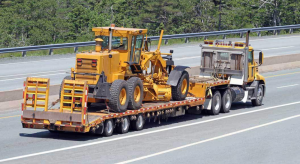
| Flatbed Transport | Oversized, irregularly shaped, or construction-related cargo | Open trailer with no walls or roof |
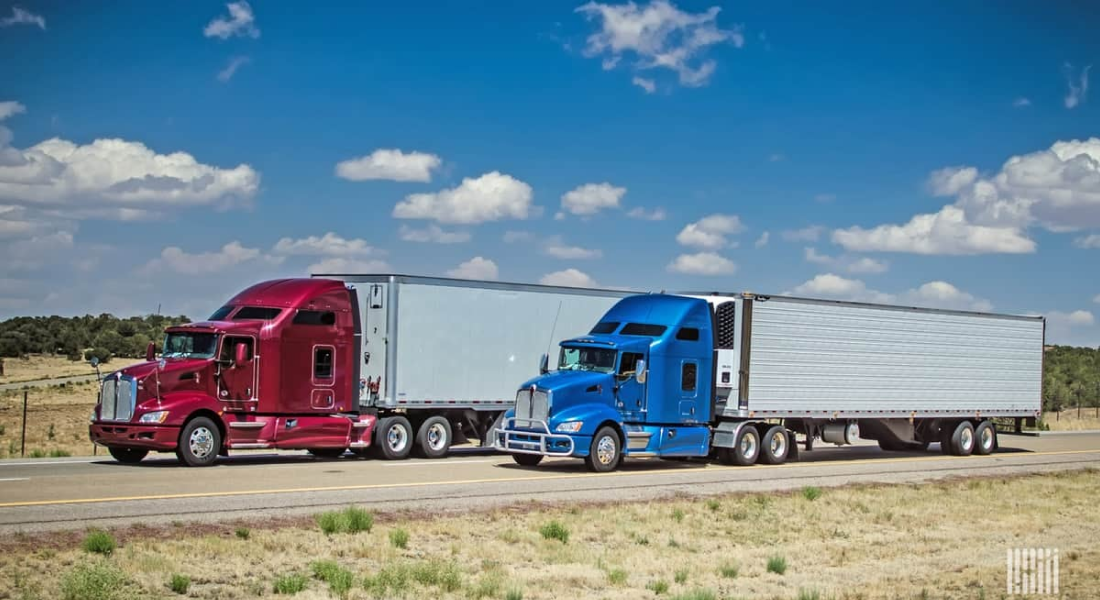
| Refrigerated Transport | Food, pharmaceutical, and other temperature-sensitive goods | Climate-controlled trailer (reefer) |
| Intermodal | Long-distance domestic freight where cost matters more than speed | Combines truck and rail legs |
| Ocean Freight | International bulk shipping | Full Container Load (FCL) or Less than Container Load (LCL) |
| Air Freight | Urgent, high-value, or perishable international shipments | Fastest but highest cost per pound |
ENorth Logistics’ core service lines cover LTL Shipping, FTL Shipping, Ground Freight, Flatbed Transport, and Refrigerated Transport across Ontario, Quebec, British Columbia, Texas, California, and Illinois. Ocean and air freight are included here for context on how freight shipping works as a whole, since many businesses use a mix of methods depending on the shipment.
LTL vs. FTL: How to Choose
LTL and FTL are the two most common freight shipping methods for domestic and cross-border ground freight, and choosing between them depends mainly on shipment size and priorities.
| Factor | LTL | FTL |
|---|---|---|
| Shipment size | Under 15,000 lbs, does not fill a trailer | Large enough to fill or nearly fill a trailer |
| Cost structure | Priced by weight, space, and freight class | Priced per truckload regardless of how full it is |
| Transit time | Can be longer due to multiple stops | Generally faster, direct route |
| Handling | More touches as freight is consolidated and transferred | Fewer touches, single pickup and delivery |
| Best for | Smaller businesses, lower shipment volume | High-volume shippers, fragile or time-sensitive cargo |
A business shipping a few pallets a week is usually better served by LTL, since paying for a full trailer would waste capacity. A business regularly shipping enough volume to fill a trailer, or shipping fragile freight that benefits from fewer handling touches, is generally better served by FTL.
How ENorth Logistics’ Team Handles This: ENorth Logistics’ Freight/Carrier Operations team reviews shipment volume, freight class, and delivery timeline before recommending LTL or FTL, rather than defaulting to whichever service is easiest to book. For clients with recurring but variable volume, the team can also mix LTL and FTL across different shipments as needs change.
Key Steps in the Freight Shipping Process
Every freight shipment follows a similar sequence of steps, regardless of which method is used.
- Measurement. Record the exact length, width, height, and weight of each pallet or crate. Inaccurate measurements are one of the most common causes of freight billing disputes and delivery delays.
- Freight classification. Assign the correct National Motor Freight Classification (NMFC) freight class based on density, handling requirements, and value. An incorrect freight class can lead to reclassification fees after pickup.
- Documentation. Prepare the bill of lading (BOL), which serves as the contract and receipt for the shipment, along with any commercial invoices and customs paperwork for cross-border freight.
- Accessorial planning. Identify any special requirements, such as a liftgate for a location without a loading dock, inside delivery, or appointment scheduling, before the shipment is booked.
- Carrier booking. Match the shipment to a carrier with the right equipment and service level for the freight class, weight, and delivery timeline.
- Tracking and delivery. Monitor the shipment from pickup through final delivery, with visibility into any delays or exceptions along the route.
Skipping or rushing any of these steps, especially measurement and freight classification, is where most freight shipping problems start.
Freight Class and Dimensional Weight Explained
Freight class is a standardized classification system that determines how a shipment is priced based on density, stowability, handling, and liability.
Freight class runs from class 50 (dense, durable freight like steel) to class 500 (light, low-density, or high-value freight like empty boxes). Density, calculated from a shipment’s weight and dimensions, is usually the biggest factor in determining class for palletized freight.
Dimensional weight matters because carriers charge based on whichever is greater: the actual weight or the dimensional weight calculated from the shipment’s size. A large but light shipment, such as bulky packaging materials, can cost more to ship than its actual weight would suggest because it takes up trailer space that could otherwise carry denser freight.
How ENorth Logistics’ Team Handles This: Incorrect freight class is one of the most common causes of unexpected reclassification charges after a shipment has already been picked up. ENorth Logistics’ Freight/Carrier Operations team verifies freight class and dimensions at intake, before the shipment moves, specifically to prevent this kind of billing surprise for clients.
Documentation Needed for Freight Shipping
Proper documentation keeps a freight shipment moving smoothly and protects both the shipper and the carrier if a dispute comes up.
- Bill of Lading (BOL): The core shipping document, listing the shipper, consignee, carrier, freight description, and terms of the shipment
- Commercial invoice: Required for shipments crossing the Canada-U.S. border, detailing the value and nature of the goods for customs purposes
- Customs paperwork: Additional forms required for cross-border freight, varying by product category and destination
- Packing list: An itemized list of what is included in the shipment, used to verify contents at delivery
For cross-border shippers, incomplete or inconsistent documentation is one of the most common causes of delays at the border. Getting these documents right before pickup avoids most of the friction that shows up later in the shipment’s journey.
[INTERNAL LINK: suggested anchor text “cross-border freight shipping support”]
How ENorth Logistics Manages Freight Shipping for Clients
Freight shipping involves more coordination than most businesses expect, from carrier selection to documentation to tracking. ENorth Logistics manages this process end to end for clients shipping LTL, FTL, ground freight, flatbed, or refrigerated loads.
The Freight/Carrier Operations team works with an established carrier network, including Purolator, DHL Freight, Day & Ross, XPO Logistics, TForce Freight, TST-CF Express, Minimax Express, and FedEx Freight and FedEx Express, matching each shipment to the right equipment and service level.
Shipment visibility runs through ENorth Logistics’ unified platform, which syncs live tracking data so clients can monitor a shipment’s status from pickup through final delivery instead of waiting on manual updates. This same platform connects freight data with a client’s broader order, inventory, and fulfillment activity, which matters most for ecommerce and wholesale businesses managing freight alongside warehousing and fulfillment.
Common Freight Shipping Challenges
Challenge: Freight class disputes after pickup. A carrier may reclassify a shipment if the declared freight class does not match what is actually loaded. Verifying dimensions and class before pickup, rather than after, prevents most of these disputes.
Challenge: Missing accessorial requirements. A shipment booked without noting a liftgate need or a residential delivery address can face delays or added fees at delivery. Confirming accessorial needs during booking avoids this.
Challenge: Incomplete cross-border documentation. Missing or inconsistent paperwork is one of the most common reasons a shipment gets held at the border. Reviewing documentation before departure catches this early.
Challenge: Limited visibility during transit. Shippers without real-time tracking often only learn about a delay after it has already affected a delivery commitment. Live tracking synced to a client-facing platform closes this gap.
Choosing a Freight Shipping Company: What to Look For
Not every freight provider offers the same level of process and visibility. Businesses evaluating a freight shipping company should look at:
- Carrier network breadth: Does the provider work with multiple carriers to match equipment and service level to each shipment, or rely on a single option regardless of fit?
- Documentation support: Does the provider review freight class, BOL details, and customs paperwork before pickup, or leave that entirely to the shipper?
- Tracking visibility: Is shipment tracking available in real time through a platform, or only through manual status check requests?
- Service line coverage: Does the provider handle the specific freight type needed, such as flatbed or refrigerated, or only general dry van freight?
- Regional coverage: Does the provider have established lanes and carrier relationships in the regions the business actually ships to and from?
ENorth Logistics is built around these exact points for clients shipping LTL, FTL, ground freight, flatbed, and refrigerated loads across Ontario, Quebec, British Columbia, Texas, California, and Illinois.
Frequently Asked Questions
What is the difference between freight shipping and parcel shipping?
Freight shipping covers palletized, crated, or bulk cargo that exceeds standard parcel size and weight limits, typically shipped on a pallet or as a full truckload. Parcel shipping covers individual boxes handled by standard courier services.
How is freight class determined?
Freight class is determined mainly by a shipment’s density, along with stowability, ease of handling, and liability. Density is calculated from the shipment’s weight and dimensions, and determines where it falls on the National Motor Freight Classification scale from class 50 to class 500.
What documents do I need to ship freight?
At minimum, you need a bill of lading. Cross-border shipments also require a commercial invoice and applicable customs paperwork, and many shippers include a packing list to verify contents at delivery.
How do I know if I should use LTL or FTL?
Use LTL if your shipment is under 15,000 lbs and does not fill a trailer. Use FTL if you have enough volume to fill or nearly fill a trailer, or if your freight is high-value or fragile and benefits from fewer handling touches.
What is a liftgate and when do I need one?
A liftgate is a hydraulic platform on the back of a truck that raises or lowers freight to ground level. You need one if the pickup or delivery location does not have a loading dock, such as many residential or small commercial addresses.
Why did my freight shipping cost more than the original quote?
The most common cause is a freight class reclassification after pickup, which happens when the actual freight does not match the declared class or dimensions. Verifying measurements and freight class accurately before booking helps avoid this.
Can one provider handle both my freight shipping and warehousing needs?
Yes, providers like ENorth Logistics offer freight shipping alongside warehousing, inventory management, and ecommerce fulfillment, which allows shipment, inventory, and order data to run through the same platform rather than separate systems.