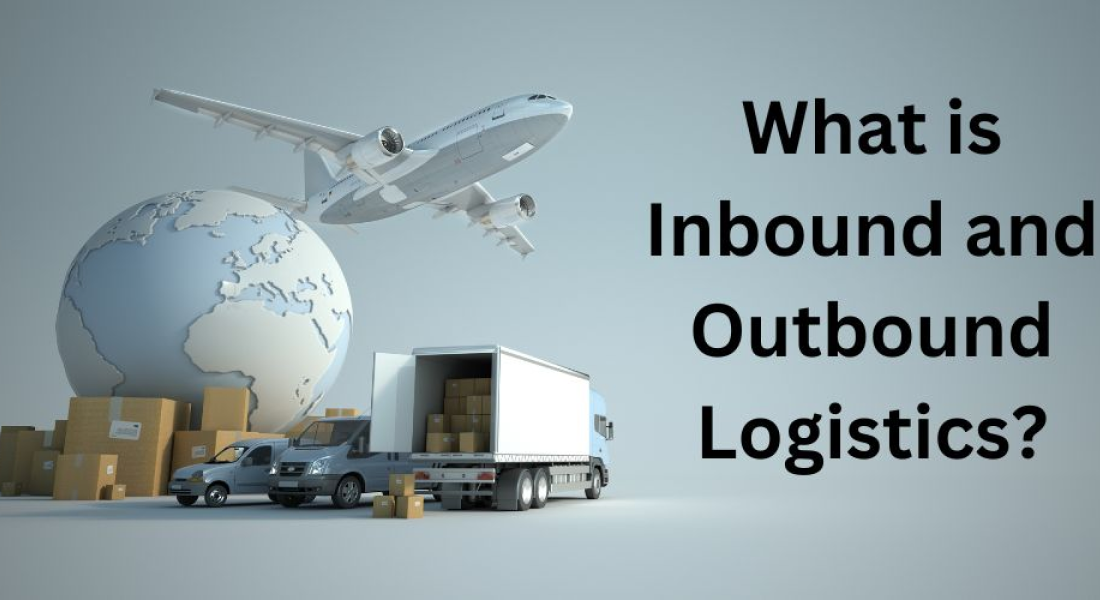
Inbound logistics brings raw materials, components, or inventory into a business from suppliers. Outbound logistics moves finished goods out of a business to distributors, retailers, or end customers. Both sides have to run well for a supply chain to function without delays, stockouts, or excess inventory.
For businesses managing physical products, inbound and outbound logistics are not separate problems to solve independently. A delay on the inbound side affects what can ship outbound, and outbound demand shapes how much inbound inventory is needed. ENorth Logistics manages both sides for clients through the same Warehouse Management, Inventory Control, and Fulfillment Operations teams, so inventory data stays consistent whether goods are arriving or shipping out.
What Is Inbound Logistics?
Inbound logistics is the process of bringing materials, components, or inventory into a business from its suppliers. It covers everything from selecting a supplier shipment method to receiving and storing goods once they arrive at a warehouse or facility.
Inbound logistics typically includes:
- Supplier coordination. Scheduling shipments and confirming delivery windows with suppliers.
- Inbound transportation. Moving goods from a supplier’s location to the receiving facility.
- Receiving. Checking incoming shipments against purchase orders or expected inventory.
- Inspection. Verifying goods arrived undamaged and match what was ordered.
- Putaway and storage. Moving received inventory into its designated warehouse location.
- Inventory recording. Updating stock counts so the business has an accurate, current inventory picture.
The goal of inbound logistics is keeping a business supplied with what it needs to manufacture, stock, or fulfill orders, without excess inventory sitting unused or shortages disrupting operations.
What Is Outbound Logistics?
Outbound logistics is the process of storing, packing, and shipping finished goods out of a business to distributors, retailers, or end customers. It covers everything from the moment an order is placed to the final delivery.
Outbound logistics typically includes:
- Order processing. Confirming order details and checking inventory availability.
- Picking. Locating and retrieving the correct items from warehouse storage.
- Packing. Preparing items for safe transport, including labeling and packaging materials.
- Outbound transportation. Moving shipments from the warehouse to their destination.
- Last-mile delivery. The final leg of transport to a customer’s door or a retail location.
- Delivery confirmation. Verifying and recording that the shipment arrived as expected.
The goal of outbound logistics is fulfilling customer or retailer demand accurately and on time, since this side of the process has the most direct impact on customer experience.
Inbound vs Outbound Logistics: Key Differences
While both functions involve transportation, warehousing, and inventory, they move in opposite directions and are measured against different goals.
| Factor | Inbound Logistics | Outbound Logistics |
|---|---|---|
| Direction | Supplier to business | Business to customer or retailer |
| Primary goal | Keep inventory or production supplied | Fulfill demand accurately and on time |
| Key activities | Procurement coordination, receiving, inspection, putaway | Order processing, picking, packing, delivery |
| Who it involves | Suppliers and carriers bringing goods in | Carriers, retailers, and end customers |
| Main risk | Supply shortages or receiving errors | Shipping errors, delays, or damaged deliveries |
| Cost drivers | Freight from suppliers, receiving labor | Freight to customers, packing materials, last-mile delivery |
| Customer visibility | Usually internal only | Directly affects customer experience |
Both sides share the same warehouse and inventory system in most operations, which is why inaccurate inbound data almost always creates outbound problems later.
The Inbound Logistics Process Step by Step
A typical inbound logistics process moves through five stages, from the initial order placed with a supplier to the moment inventory is available for use.
- Purchase order placement. The business orders materials or inventory from a supplier.
- Shipment scheduling. The supplier and carrier coordinate a delivery window.
- Transportation. Goods move from the supplier’s location to the receiving facility.
- Receiving and inspection. Incoming goods are checked against the purchase order and inspected for damage.
- Putaway and inventory update. Goods are stored in their warehouse location, and inventory counts are updated to reflect the new stock.
A breakdown at any one of these steps, such as a missed delivery window or an inspection that misses damaged goods, creates a ripple effect that shows up later as an outbound problem.
The Outbound Logistics Process Step by Step
A typical outbound logistics process moves through five stages, from the moment an order is placed to final delivery confirmation.
- Order processing. The order is confirmed, and inventory availability is checked.
- Picking. Warehouse staff locate and retrieve the correct items.
- Packing. Items are packaged and labeled for transport.
- Outbound transportation. The shipment moves from the warehouse toward its destination.
- Last-mile delivery and confirmation. The shipment reaches its final destination, and delivery is confirmed.
How ENorth Logistics’ Team Handles This: ENorth’s Fulfillment Operations team manages picking and packing through the same WMS-based inventory system used for receiving, so outbound orders draw from accurate, real-time stock counts rather than a separate outbound-only system. This is coordinated with Freight and Carrier Operations for outbound transportation, giving clients live shipment tracking synced to their storefront from the moment an order ships.
Inbound and Outbound Logistics Costs
Inbound and outbound logistics both carry transportation and handling costs, but the cost drivers differ because the two sides serve different purposes.
| Cost Type | Inbound Logistics | Outbound Logistics |
|---|---|---|
| Transportation | Freight from supplier to facility | Freight from facility to customer or retailer |
| Labor | Receiving and inspection labor | Picking, packing, and loading labor |
| Materials | Minimal, unless repackaging is required | Packaging, labels, and protective materials |
| Storage | Cost of holding raw materials or bulk inventory | Cost of holding finished goods before shipment |
| Delivery | Not applicable | Last-mile delivery costs, which are often the highest per-unit cost |
Outbound logistics costs are generally more visible to a business because they scale directly with order volume, while inbound costs are often bundled into supplier pricing or purchasing agreements. Reviewing both separately gives a clearer picture of where logistics spend is actually going.
KPIs to Track on Both Sides
Measuring inbound and outbound logistics separately helps a business identify exactly where a performance problem is occurring, rather than treating “logistics” as one combined number.
| KPI | Inbound Logistics | Outbound Logistics |
|---|---|---|
| On-time performance | Supplier on-time delivery rate | Customer on-time delivery rate |
| Accuracy | Receiving accuracy (correct items, correct quantity) | Order accuracy (correct items shipped) |
| Speed | Dock-to-stock time (receiving to available inventory) | Order cycle time (order placed to shipped) |
| Cost | Inbound freight cost per unit | Outbound freight cost per shipment |
| Inventory impact | Inventory accuracy after receiving | Fill rate (orders fulfilled from available stock) |
Tracking these metrics on both sides makes it easier to see whether a recurring problem, like inventory shortages, is actually caused by inbound receiving errors or outbound demand outpacing available stock.
Common Problems on Each Side and How They’re Prevented
Inbound and outbound logistics tend to fail in different, predictable ways, and each requires a different fix.
Common inbound logistics problems:
- Missed delivery windows. Poor coordination between the business and supplier or carrier.
- Receiving errors. Incoming goods not properly checked against purchase orders.
- Inventory inaccuracy. Manual or delayed inventory updates after receiving.
- Damaged goods going unnoticed. Inspection steps skipped or rushed.
Common outbound logistics problems:
- Picking errors. Wrong item pulled due to inaccurate inventory location data.
- Packing damage. Inadequate packaging for the item or transit method.
- Shipping delays. Poor carrier coordination or inaccurate transit time estimates.
- Inaccurate delivery tracking. Limited visibility once a shipment leaves the warehouse.
How ENorth Logistics’ Team Handles This: Inventory Control staff log inbound receiving directly into the same WMS platform used for outbound picking, so a receiving error is far less likely to surface later as a picking mistake. If an exception does occur on either side, such as a delayed supplier shipment or a carrier delay affecting an outbound order, the Customer Support and Tracking team is positioned to flag it to the client before it becomes a bigger disruption.
How to Manage Inbound and Outbound Logistics Together
Managing inbound and outbound logistics together means using shared inventory data and a coordinated warehouse process, rather than treating the two sides as separate operations with separate systems.
Practical ways to keep both sides aligned:
- Use one inventory system for both. Receiving and picking should draw from the same real-time stock counts.
- Coordinate warehouse capacity. Inbound receiving and outbound shipping often compete for the same dock space and staff time, so scheduling both needs to account for peak periods on each side.
- Share visibility with stakeholders. Procurement teams need outbound demand data to plan inbound orders, and fulfillment teams need inbound timing to plan outbound commitments.
- Track KPIs on both sides. Measuring inbound and outbound separately, as shown above, makes it easier to catch problems before they compound.
[INTERNAL LINK: warehousing and inventory management]
When to Outsource Inbound and Outbound Logistics
A business should consider outsourcing inbound and outbound logistics once managing supplier coordination, warehouse space, and order fulfillment internally starts requiring more staff, space, or systems than the business wants to build on its own.
Signs it may be time to outsource:
- Inventory accuracy is inconsistent between receiving and shipping
- Warehouse space or dock scheduling is becoming a bottleneck
- Order fulfillment errors are increasing as volume grows
- The business lacks real-time visibility into stock levels across both sides
ENorth Logistics manages inbound receiving and outbound fulfillment through the same Warehouse Management and Inventory Control teams, using one unified platform for orders, inventory, and shipment data across Ontario, Quebec, British Columbia, Texas, California, and Illinois. This is designed to give clients one point of visibility instead of separately tracking supplier deliveries and customer shipments.
[INTERNAL LINK: ecommerce fulfillment services]
Frequently Asked Questions
What is the main difference between inbound and outbound logistics?
Inbound logistics brings materials or inventory into a business from suppliers, while outbound logistics moves finished goods out of a business to customers or retailers. They move in opposite directions and are measured against different goals.
What are examples of inbound logistics activities?
Inbound logistics activities include scheduling supplier shipments, transporting goods to a warehouse, receiving and inspecting incoming inventory, and updating stock counts once goods are stored.
What are examples of outbound logistics activities?
Outbound logistics activities include processing customer orders, picking and packing items, arranging outbound transportation, and confirming final delivery to the customer or retailer.
Why does inaccurate inbound logistics cause outbound problems?
If receiving data is inaccurate, inventory counts are wrong before an order is ever placed. This leads to outbound picking errors, incorrect fulfillment, or promising stock that is not actually available.
What KPIs should businesses track for inbound and outbound logistics?
Useful inbound KPIs include supplier on-time delivery rate, receiving accuracy, and dock-to-stock time. Useful outbound KPIs include order accuracy, order cycle time, and customer on-time delivery rate.
Should inbound and outbound logistics be managed by the same team?
Managing both through the same inventory system and warehouse team generally reduces errors, since receiving data and fulfillment data stay consistent instead of being tracked separately.
Can a business outsource both inbound and outbound logistics to one provider?
Yes. A logistics provider that manages both sides through the same warehouse and inventory platform, such as ENorth Logistics, gives a business one point of contact and one data source for receiving and fulfillment instead of coordinating separate vendors.