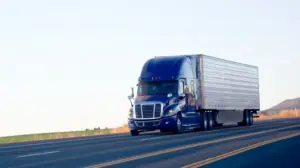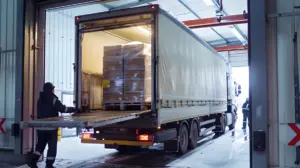
When you are shipping electronics, pharmaceuticals, or luxury goods, logistics is no longer just about moving boxes. It becomes an intense exercise in risk management. Cargo theft networks are growing more sophisticated by the day, meaning that a single security breach can deal a catastrophic financial blow to your brand’s reputation and bottom line. When your inventory value hits a certain financial threshold, multi-stop shipping methods are simply too dangerous to risk. This is exactly why implementing FTL shipping for high value cargo is the most effective defense strategy for modern enterprises. By dedicating an entire truck to your shipment, you gain complete operational control over the transit environment from origin to destination.
This comprehensive guide outlines the critical security protocols and shipper best practices necessary to insulate your high-stakes freight from volatile roadside threats, ensuring your investment arrives fully intact, on time, and completely secure.
Why FTL is the Only Viable Option for High-Value Freight
To protect premium freight, you must minimize its exposure to the outside world. In a standard Less Than Truckload (LTL) shipping environment, your goods are treated as part of a collective pool. This means your high-value merchandise is repeatedly loaded, unloaded, cross-docked, and organized at multiple regional terminals alongside freight from hundreds of other businesses. Every single touchpoint introduces an alarming opportunity for inventory shrinkage, warehouse misplacement, or physical transit damage.
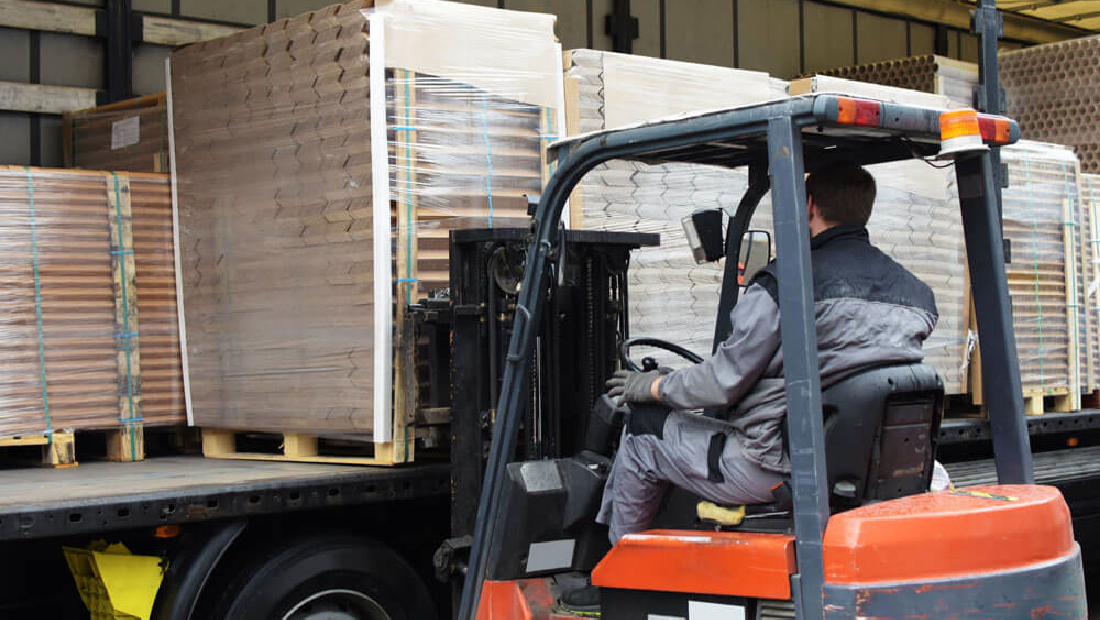
Full Truckload (FTL) transport entirely eliminates these dangerous operational vulnerabilities. When you choose FTL, your freight is loaded into a dedicated vehicle at your facility, secured immediately within a sealed trailer, and driven straight to the final destination. There are no intermediate terminal stops, no freight mixing, and no unauthorized personnel handling your assets during transit. This linear chain of custody keeps your cargo isolated from external risks throughout the journey.
Risk Profile Analysis – LTL vs. FTL Freight
| Risk Factor | LTL Shipping | FTL Shipping |
|---|---|---|
| Touchpoints & Handling | High (multiple cross-dock transfers) | Zero (loaded once, unloaded once) |
| Chain of Custody | Shared among multiple carriers and docks | Single, dedicated driver and vehicle |
| Terminal Staging Time | Hours or days in unsecured hubs | None (continuous movement) |
| Security Status | Mixed cargo, open access trailers | Locked and sealed trailer doors |
By restricting physical access to the trailer, FTL establishes a strictly controlled logistics ecosystem that makes opportunistic theft nearly impossible. For businesses moving high-stakes assets, this total structural isolation is not a premium luxury. It is a fundamental operational necessity to preserve your bottom line.
The Core Security Protocols of Premium FTL Transit
When executing FTL shipping for high value cargo, specialized carriers rely on a layered defense system. This comprehensive approach ensures that assets are actively monitored and physically defended against sophisticated criminal networks. Premium FTL transit employs three fundamental security pillars.
Continuous Visibility via Advanced GPS Tracking
Modern cargo security depends heavily on real-time data visibility. Premium FTL providers do not rely solely on the truck’s factory navigation systems. Instead, they implement independent, high-frequency GPS tracking devices embedded directly within the trailer structure and hidden inside individual cargo pallets.
Logistics teams utilize this tracking technology to establish strict geofences around authorized shipping lanes. If a vehicle deviates from its pre-approved route by even a fraction of a mile, the tracking system automatically triggers an immediate distress alert at the central operations hub, allowing security personnel to notify local law enforcement within minutes.
Tamper-Proof Seals and High-Security Locking Systems
Physical security at the back of the trailer is your primary defense against opportunistic theft. As soon as loading finishes, the carrier applies a heavy-duty, certified tamper-proof bolt seal to the trailer door locking mechanism.
[Origin Loading] ➔ [Seal Number Logged] ➔ [Direct Transit] ➔ [Seal Verified at Destination]
The specific identification number on this seal is recorded on the Bill of Lading. This exact number must be physically verified and matched by the receiver before the trailer doors can legally be opened at the destination.
To prevent full-trailer theft during mandatory driver rest breaks, carriers utilize premium physical locking hardware, including:
Kingpin Locks
Heavy steel collars that lock onto the trailer’s coupling device, preventing unauthorized tractors from hooking up and stealing the trailer.
Air-Cuff Locks
Specialized locks placed over the dashboard valves to completely immobilize the truck’s brake system.
High-Security Padlocks
Internal, electronic locking mechanisms that resist cutting torches and heavy bolt cutters.
Strict Driver Protocols and Route Planning
The human element remains the most critical variable in transit security. Elite high-value cargo carriers enforce strict behavioral protocols for their drivers. Foremost among these is the industry-standard 200-mile rule, which dictates that drivers must travel at least 200 miles without a single stop immediately after picking up high-value freight. Because cargo thieves frequently scout fulfillment centers and follow trucks right after departure, this non-stop buffer completely breaks the trail of potential tailing vehicles. For ultra-sensitive shipments, logistics providers deploy team drivers who rotate shifts, ensuring the vehicle stays in constant motion until it safely hits its destination dock.
High-Value Cargo Insurance vs. Carrier Liability
A major mistake many supply chain managers make is assuming that standard carrier liability fully covers their financial investment in the event of theft or destruction. In reality, relying on default carrier liability leaves your business exposed to devastating financial deficits.
Standard carrier liability is strictly calculated based on the weight of the freight, often capping payouts at a meager fifty cents to two dollars per pound. If a shipment containing half a million dollars worth of lightweight electronics is stolen, standard weight-based liability might only cover a few thousand dollars of the total loss. Furthermore, establishing carrier negligence under standard liability is an uphill legal battle that can stall for months.
To fully protect your business assets, securing specialized, third-party cargo insurance is an absolute necessity. An All-Risk cargo insurance policy provides full financial protection based on the true commercial value of the cargo, rather than its weight.
Key Distinction
All-Risk insurance covers the total invoice value of your goods from the exact moment they leave your loading dock until final sign-off at delivery. It pays out promptly for theft, accidents, and unpredictable acts of God without requiring tedious proof of carrier negligence.
Shipper Best Practices – Preparing Your High-Value Freight
While premium FTL carriers provide robust defense mechanisms on the road, cargo security actually begins right inside your own warehouse facility. Preparing your freight properly ensures that your internal team does not inadvertently expose your cargo to unnecessary security risks.
Utilize Discreet Packaging
Never broadcast the contents of your high-value shipments on the external packaging. Avoid using branded boxes, highly descriptive product labels, or specialized tape that indicates electronics, pharmaceuticals, or luxury apparel are inside. Keep all external surfaces entirely neutral.
Maintain a Secure Staging Area
Keep your high-value inventory away from the general traffic of your loading dock. Stage the wrapped pallets in a secure, restricted access zone under continuous video surveillance until the specific FTL truck arrives.
Enforce Prompt Loading Procedures
Minimize the time your warehouse doors remain open. Move the staged freight from your secure zone directly onto the trailer in one continuous, efficient operation to reduce dockside vulnerability.
Implement Pre-Vetted Driver Verification
Before handing over your cargo keys, verify the arriving driver’s identity. Mandate that the driver presents a valid commercial driver’s license and matching carrier paperwork, and cross-reference these details with your 3PL coordinator before cutting any trailer seals.
Choosing a Transactional Partner – What to Look for in a High-Security 3PL
When your supply chain handles high-value freight, you cannot afford to leave your assets to chance on public digital load boards or unvetted, cut-rate carriers. Securing premium cargo requires partnering with a sophisticated Third-Party Logistics (3PL) provider that treats risk mitigation as an exact science.
A high-security 3PL does not just find a truck; they deploy a fully engineered security solution. When evaluating a potential logistics partner, ensure they possess the following non-negotiable capabilities:
Rigorous Carrier Vetting
They must maintain a private network of elite carriers with proven track records in high-security transportation and flawless safety scores.
Active Fleet Monitoring
The provider must feature a dedicated, around-the-clock tracking team that actively monitors route deviations and geofence alerts rather than relying on delayed automated emails.
Comprehensive Insurance Access
They should offer direct access to primary All-Risk cargo insurance extensions to wrap your freight in ironclad financial protection.
Zero-Tolerance Security Policies
Every driver in their network must strictly adhere to protocols like the 200-mile rule, with immediate elimination for non-compliance.
Investing in a premium logistics provider eliminates the severe systemic vulnerabilities that cut-rate alternatives completely ignore. When millions of dollars in highly sensitive inventory are moving along North American highways, an experienced, proactive 3PL partner stands as your most reliable line of defense against supply chain disruption.
Conclusion
Protecting high-value assets on the road demands a proactive, layered defense strategy that leaves absolutely no room for error. Utilizing FTL shipping for high value cargo provides your business with the ultimate security framework, combining the structural isolation of a sealed trailer with continuous GPS tracking and strict driver protocols. By moving away from high-risk, multi-stop shipping methods and investing in dedicated truckload transit, you actively safeguard your inventory, protect your profits, and maintain your brand’s integrity.
Do not let your premium cargo become an easy target for transit liabilities. Partner with the cross-border freight experts who prioritize your supply chain security above all else. Contact the team at ENorth Logistics today to secure an ironclad freight solution and get a free, high-security FTL shipping quote.