Choosing between LTL and FTL shipping comes down to one question: how much freight are you moving, and how much control do you need over its journey? LTL (Less-Than-Truckload) shares trailer space with other shippers to cut costs on smaller loads, while FTL (Full Truckload) reserves an entire trailer for one shipment so it moves faster and with fewer touchpoints. This guide breaks down the real cost differences, the 2026 market shifts affecting freight rates, and a practical framework for picking the right mode for your next shipment.
What Is LTL Shipping?
LTL shipping is a freight method where multiple shippers’ goods travel together in the same trailer, and each business pays only for the space it uses. It’s built for shipments too big for parcel carriers like UPS or FedEx, but too small to justify booking a whole truck.
Typical LTL shipment profile:
- 1 to 10 pallets, or roughly 150 to 15,000 pounds
- Priced by freight class, weight, and distance rather than a flat truck rate
- Moves through a hub-and-spoke network of regional terminals
Because LTL freight is consolidated with other shipments, it gets loaded and unloaded several times before reaching its final stop. Each transfer point adds a small amount of transit time and a slightly higher chance of handling damage, since your pallets are stacked and reshuffled alongside freight from other companies.
Freight class matters more than people expect. Every LTL shipment is assigned a National Motor Freight Classification (NMFC) code based on density, stowability, handling difficulty, and liability risk. Denser, easier-to-stack freight generally earns a lower class and a cheaper rate. Getting the classification wrong is one of the most common reasons shippers get hit with reclassification fees after the fact.
What Is FTL Shipping?
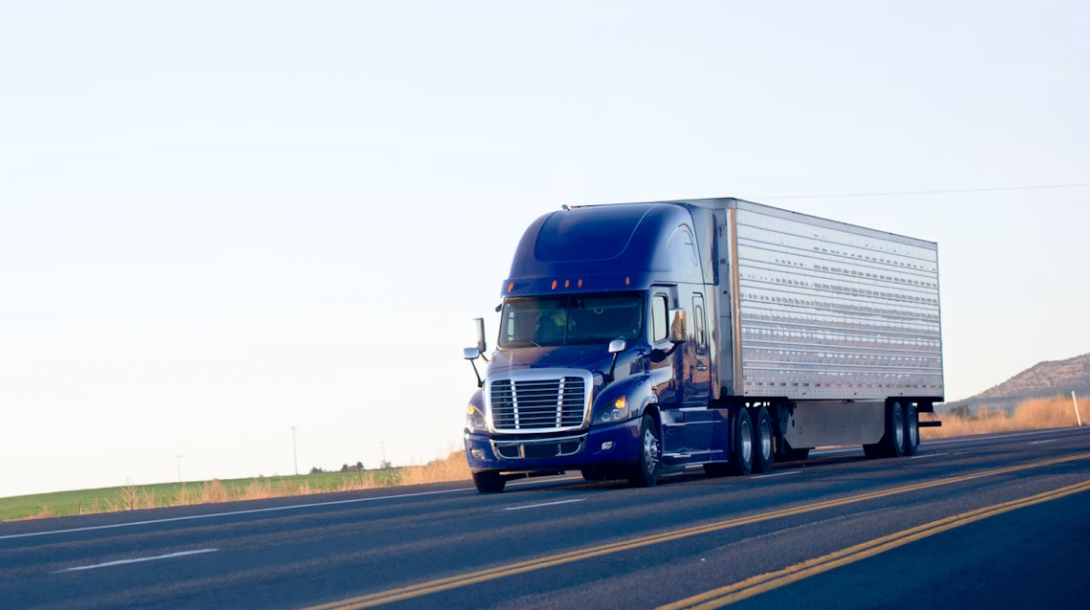
FTL shipping means one shipment gets an entire trailer to itself, picked up at origin and driven directly to its destination with no terminal stops in between. You pay a flat rate based on mileage, fuel, and current lane conditions, whether the trailer is full or only half-loaded.
Typical FTL shipment profile:
- 10 or more pallets, generally over 10,000 to 15,000 pounds, or enough to fill (or nearly fill) a 53-foot trailer
- Priced per mile or per lane, not by weight class
- Point-to-point delivery with a single pickup and a single drop-off
Because the freight isn’t shared or transferred, FTL carries the lowest handling risk of any truck-based option. It’s the default choice for high-value goods, fragile products, temperature-sensitive cargo, or shipments with a hard delivery deadline.
LTL vs FTL: Key Differences at a Glance
| Factor | LTL Shipping | FTL Shipping |
|---|---|---|
| Shipment size | 1–10 pallets / 150–15,000 lbs | 10+ pallets / 10,000+ lbs |
| Pricing | By weight, freight class, and distance | Flat rate by mileage and lane |
| Handling | Multiple terminal transfers | Single pickup, single delivery |
| Transit speed | Slower (multi-stop network) | Faster (direct route) |
| Damage risk | Higher, due to shared handling | Lower, dedicated trailer |
| Best for | Smaller, flexible, non-urgent loads | Large, urgent, high-value, or fragile loads |
| Typical cost per shipment | Lower for partial loads | Lower per pound at high volume |
LTL vs FTL Cost Comparison in 2026
Freight pricing has moved in 2026, and it’s changed the math for a lot of shippers. Long-distance LTL pricing rose sharply through the first half of the year — after a soft start in January and February, March brought pricing gains of roughly 7% year-over-year, and by spring, new bids were running 12–13% above 2025 levels. That’s the sharpest concentrated LTL rate movement the industry has seen since Yellow’s collapse reshaped the carrier market a few years back.
At the same time, LTL carrier operating ratios have stayed tight — industry data for 2026 shows roughly $0.91 of every revenue dollar going straight to costs, even as overall tonnage volumes softened. In plain terms: carriers are holding the line on rates even when freight demand is uneven, so shippers can’t assume LTL will always be the cheap option by default.
Where the break-even point tends to fall:
- Under roughly 6,000–10,000 pounds, LTL is almost always cheaper.
- Between 10,000 and 15,000 pounds, the cost gap between LTL and FTL narrows fast.
- Past that range, FTL usually wins on both cost per pound and reliability.
If your shipment sits near that middle zone, it’s worth getting quotes for both. A freight broker or 3PL can model the exact break-even for your specific lane, since rates vary by region, fuel prices, and available capacity.
A tip from the numbers: if you find yourself regularly sending several LTL shipments to the same destination in the same week, consolidating them into one FTL load often costs less overall and cuts down on delays from multiple terminal handoffs.
How to Choose Between LTL and FTL: A Decision Framework
Picking the right mode isn’t just about pallet count. Walk through these five questions before you book:
- How much freight do you have? Under 10 pallets, start with LTL quotes. Over 12 pallets or more than half a 53-foot trailer, go straight to FTL.
- How urgent is the delivery? If you have a hard deadline or a just-in-time delivery window, FTL’s direct routing removes the risk of missed terminal transfers.
- Is the freight fragile or high-value? Fewer touchpoints means fewer chances for damage. FTL is the safer call for anything breakable or expensive.
- How flexible is your budget and schedule? LTL rewards shippers who can plan ahead and tolerate a slightly longer, less predictable transit window.
- Are you shipping to the same lane repeatedly? Recurring shipments on a busy lane are a strong candidate for FTL consolidation, even if any single shipment would qualify for LTL on its own.
Quick rule of thumb: if your shipment is under 6,000 pounds, LTL is almost always the right call. If it’s over 12,000 pounds, FTL usually wins. Anything in between deserves a side-by-side quote.
Common Mistakes Shippers Make
- Misclassifying freight for LTL. Underestimating density or stackability leads to reclassification fees after pickup, which can wipe out any savings from choosing LTL in the first place.
- Defaulting to FTL out of habit. Booking a full truck for a small, non-urgent load means paying for space you don’t use.
- Ignoring accessorial charges. Liftgate service, residential delivery, limited-access locations, and inside delivery can all add unexpected fees to an LTL quote — always ask for the full accessorial list up front.
- Not shopping the middle zone. Shipments between 8,000 and 15,000 pounds should almost always get quotes from both LTL and FTL carriers before booking.
LTL vs FTL: A Real-World Example
Say a distributor needs to move 8 pallets of packaged food, weighing about 9,000 pounds, from a warehouse in Ohio to a retailer in Georgia. That falls right in the middle zone. LTL would likely cost less upfront, but the multi-stop network adds a day or two to transit and a modest handling risk. If the retailer has a tight receiving window, or the product is temperature-sensitive, the extra reliability of an FTL booking may be worth the higher per-shipment cost. This is exactly the kind of decision a freight broker can model against current lane rates before you commit.
Frequently Asked Questions
What does LTL mean in shipping?
LTL stands for Less-Than-Truckload. It’s a freight method where your shipment shares trailer space with other businesses’ freight, and you pay only for the portion of the truck you use.
What does FTL mean in shipping?
FTL stands for Full Truckload. Your shipment gets an entire trailer to itself, moving directly from pickup to delivery without stopping at other terminals.
Is LTL or FTL cheaper?
For shipments under about 6,000 to 10,000 pounds, LTL is typically cheaper. Above roughly 12,000 to 15,000 pounds, FTL usually becomes the more cost-effective option per pound.
How many pallets qualify for LTL shipping?
Most LTL shipments range from 1 to 10 pallets, though some carriers extend that up to 12 pallets depending on weight and density.
Why is FTL faster than LTL?
FTL freight moves directly from origin to destination with no terminal stops. LTL freight is routed through a hub-and-spoke network, where it’s unloaded, sorted, and reloaded at one or more terminals along the way.
What is freight class, and why does it matter for LTL?
Freight class is a standardized rating (NMFC) based on a shipment’s density, ease of handling, and value. It directly affects your LTL rate, and incorrect classification is a common cause of surprise reclassification fees.
Are LTL freight rates rising in 2026?
Yes. Long-distance LTL pricing has climbed through 2026, with new bids running well above 2025 levels even as overall freight tonnage has been uneven, so it’s worth re-quoting shipments rather than assuming last year’s rates still apply.
Should I use a freight broker to decide between LTL and FTL?
For occasional or borderline shipments, a broker can be worth it. They can quote both modes across current carrier rates and flag the break-even point for your specific lane, which is harder to estimate on your own without access to live rate data.
Key Takeaways
- LTL fits smaller, flexible, cost-sensitive shipments (roughly 1–10 pallets).
- FTL fits larger, urgent, fragile, or high-value shipments (roughly 10+ pallets).
- The 8,000–15,000-pound range is the real decision zone — get quotes for both.
- 2026 rate increases mean it’s worth re-checking your usual mode choice rather than assuming past pricing still holds.
- Recurring shipments to the same destination are often cheaper consolidated into FTL, even if each one alone would qualify for LTL.