Imagine a massive shipment arriving hours late to a critical warehouse. This single delay can cost your business thousands of dollars in penalties. It also hurts your reputation with important customers. Today, full truckload shipping is getting much more expensive and complicated. Fuel prices are unpredictable, and driver shortages happen frequently.
If you want to protect your profits, focusing on FTL supply chain optimization is the smartest move you can make. This modern strategy helps companies manage their daily shipping networks with confidence and ease.
This comprehensive guide will teach you how to lower your total shipping costs and avoid stressful delivery delays. We will break down the main types of shipping strategies available right now. You will also learn how to use smart data to keep your business running smoothly. Keeping your freight moving efficiently does not have to be a guessing game. Let us look at how you can master your logistics.
What is FTL Supply Chain Optimization?
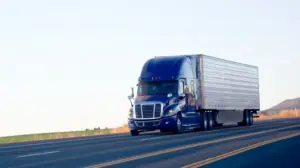
It is the process of using smart technology and strategic planning to make full truckload shipping as efficient as possible. Full Truckload, or FTL, means you hire an entire semi-trailer strictly for your own business cargo. Optimization means you ensure that every single truck journey is fast, affordable, and fully utilized. This method is usually chosen when a shipment is large enough to fill a whole truck. It is also used when a delivery is highly urgent and cannot share space with other companies.
What Does Optimization Mean in FTL
Optimization is the process of using modern technology and smart planning to get the highest value out of every single truck you hire. It transforms basic freight management from a regular business expense into a powerful tool for growth. Instead of just booking trucks randomly, you plan every move with clear data.
True optimization targets several main goals to streamline your operations:
Maximized Trailer Space
Filling every trailer to its absolute limit so you do not pay to ship empty air.
Reduced Empty Miles
Planning return trips so drivers always have a load, which lowers fuel waste.
Eliminated Wait Times
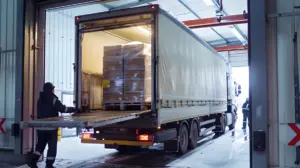
Scheduling precise pickup windows so trucks do not sit idle on the loading dock.
When you optimize your logistics, you stop wasting money on inefficient routes and half-empty trucks. This consistent planning protects your products and keeps your entire business supply chain strong.
Top FTL Supply Chain Optimization Strategies for 2026
To thrive in today’s unpredictable market, businesses can no longer rely on basic guesswork. Implementing modern strategies ensures that your freight arrives safely while keeping your operational costs low. By combining advanced software with smart planning, companies can successfully transform their daily logistics.
Let us look at the top four strategies driving success this year:
Dynamic Capacity Planning and Smart Sourcing
Finding available trucks at the right price is a constant challenge for modern logistics teams. Traditional methods often force companies to scramble for vehicles at the last second, which leads to incredibly high shipping rates. Smart capacity planning solves this problem by using predictive analytics to look ahead.
Predictive Procurement
Specialized software analyzes your historical shipping data to forecast your truckload needs weeks in advance.
Vetted Carrier Networks
Businesses build strong digital connections with a reliable group of stable carriers instead of relying entirely on the volatile spot market.
Better Asset Utilization
This method ensures that trucks are booked early, allowing carriers to plan their schedules and optimize their asset utilization.
By securing your shipping capacity early, you avoid sudden price spikes during peak seasons. This strategic foresight stabilizes your budget and guarantees that your cargo never gets left behind on a warehouse floor.
AI-Driven Route Efficiency and Real-Time Visibility
In 2026, taking the shortest path on a map is no longer enough to guarantee a fast delivery. Unpredictable road construction, severe weather, and heavy city traffic can quickly derail a driver’s schedule. Advanced software uses artificial intelligence to achieve maximum route efficiency instantly.
Dynamic Routing
The computer system continuously calculates live road data and changes the driver’s path automatically while they are on the road.
Constant Updates
This active dynamic routing tool bypasses major highway accidents and traffic bottlenecks before the truck gets stuck.
Live Order Tracking
These digital platforms provide complete real-time visibility to everyone involved in the shipment.
Logistics managers, drivers, and customers can see the exact GPS location of the truck at any second. This transparent data reduces stressful phone calls and helps warehouses prepare for the truck’s arrival.
Implementing Modern Just-In-Time (JIT) Logistics
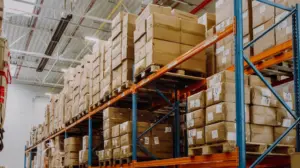
Storing large amounts of inventory in a warehouse is incredibly expensive. Companies must pay for building space, electricity, and security teams to protect sitting stock. To cut down on these high overhead costs, many smart businesses use a just-in-time shipping structure.
Perfect Delivery Timing
Raw materials and finished products are scheduled to arrive at the facility exactly when they are needed for production or sales.
Zero Storage Waste
Goods move straight from the delivery truck onto the assembly line or retail floor without sitting in storage rooms for weeks.
Streamlined Coordination
This method requires absolute precision and constant communication between your suppliers and your transportation carriers.
When your delivery timing is accurate, you drastically reduce your warehouse storage costs. Your products keep moving quickly, which increases your overall cash flow and keeps your business agile.
Data-Backed Freight Management and Digital Twins
Modern logistics produces a massive amount of digital information every single day. True industry leaders use this information to build an advanced digital twin of their entire supply chain network. A digital twin is simply a virtual, highly detailed copy of your real-world shipping system operating inside a computer.
Virtual Testing Ground
Logistics teams can run simulated what-if tests on the computer to see how their network handles sudden disruptions.
Risk Mitigation
You can simulate a major port shutdown or a sudden fuel price spike to see how it impacts your total costs.
Smarter Decisions
This data tells you exactly how to fix shipping mistakes before they ever happen in the real world.
Using a digital twin upgrades your everyday freight management from a reactive guessing game into a proactive science. It gives your business the exact tools needed to build a highly resilient shipping network.
Why Traditional FTL Strategies Fail in 2026
Many businesses still manage their logistics using old, outdated methods. They rely heavily on manual spreadsheets, endless phone calls, and back and forth emails to track their shipments. In 2026, these slow practices are causing major operational failures across the global shipping industry. Markets move much too fast today for manual systems to keep up.
When you rely on legacy logistics, your business suffers from a complete lack of digital integration. This isolation leads to expensive mistakes and hidden waste:
Wasted Cargo Space
Without automated planning, trucks often travel with empty space, ruining your overall asset utilization.
High Fuel Waste
Poor route choices mean drivers burn unnecessary fuel, which raises your carbon footprint and costs.
Communication Gaps
Manual check calls take too much time, leaving you blind to sudden delays or mechanical breakdowns.
Traditional systems simply do not have the power to analyze live market conditions. This leaves your supply chain highly vulnerable to unexpected disruptions, driver shortages, and volatile price increases on the open market. Relying on old habits makes it impossible to achieve real FTL supply chain optimization. Slow communication leaves your team constantly reacting to emergencies instead of preventing them. In a world where customers demand instant updates, using outdated freight management tools will quickly drive your business into the ground.
Quick Reference – Old Logistics vs. 2026 FTL Optimization
To help you visualize these differences, we have created a quick reference guide. It contrasts the old ways of moving cargo with the modern tools used today. Seeing these side by side will show you exactly where your business can improve.
| Shipping Metric | Old Traditional Logistics | Modern 2026 FTL Optimization |
|---|---|---|
| Route Planning | Fixed maps and manual driver choices | Automated loops with live traffic updates |
| Tracking Level | Calling drivers for occasional updates | Constant live GPS and sensor tracking |
| Inventory Style | Large, expensive warehouse storage | Balanced just-in-time delivery patterns |
| Data Usage | Looking backward at old paper receipts | Using live data to predict future mistakes |
Choosing modern methods ensures that every dollar spent on transportation actively builds your company’s strength. These smart changes eliminate the daily operational errors that break client trust and drain your capital. Adopting integrated software allows your team to remain completely flexible under pressure. Shifting away from manual logs helps you secure predictable, efficient shipping results all year long.
Conclusion
Succeeding in the transportation industry requires a dedicated commitment to modern planning and digital visibility. Achieving complete FTL supply chain optimization relies on utilizing continuous data, automated route tools, and smart vehicle management. Implementing these advanced systems protects your hard-earned profit margins from unexpected road delays and sudden spikes in fuel costs. Investing in smart freight systems ensures your cargo moves safely while building a highly resilient network for the future.
Taking action now transforms your logistics network into a reliable asset. You do not have to handle these complex logistical challenges all by yourself. The experienced team at ENorth Logistics is always ready to help you simplify your global operations and secure reliable carrier capacity. Contact our support department today to receive a customized freight audit and design an efficient, optimized shipping strategy that keeps your business growing smoothly.
Frequently Asked Questions
What does FTL mean in the supply chain?
FTL stands for Full Truckload in the supply chain industry. It means a single shipper hires an entire semi-trailer to move their goods exclusively. Businesses choose FTL shipping when their cargo is large enough to fill a truck or requires specialized freight management to ensure zero stops and faster transit times.
How does capacity planning improve FTL supply chain optimization?
Effective capacity planning improves FTL supply chain optimization by predicting your future shipping volumes using advanced historical data. This strategic planning allows companies to secure reliable trucks early, maximize trailer asset utilization, and avoid paying expensive spot-market rates during peak shipping seasons when vehicles are highly scarce.
Why is route efficiency important for modern cargo delivery?
Achieving maximum route efficiency is critical because it lowers overall fuel costs, cuts carbon emissions, and ensures on-time deliveries. Utilizing dynamic routing tools gives dispatchers real-time visibility over the road, allowing drivers to bypass heavy highway traffic, construction zones, and hazardous weather conditions before delays occur.
What are the benefits of just-in-time shipping in logistics?
Implementing just-in-time logistics helps businesses drastically reduce expensive warehouse storage overhead. Goods are scheduled to arrive precisely when production lines or retail floors are ready. This lean shipping structure minimizes inventory waste, increases cash flow, and relies on optimized freight management to keep trucks moving reliably.