
What Is Dry Van FTL Shipping? The Complete Carrier Guide
Lorem ipsum dolor sit amet, consectetur adipiscing elit. Ut elit tellus, luctus nec ullamcorper mattis, pulvinar dapibus leo.

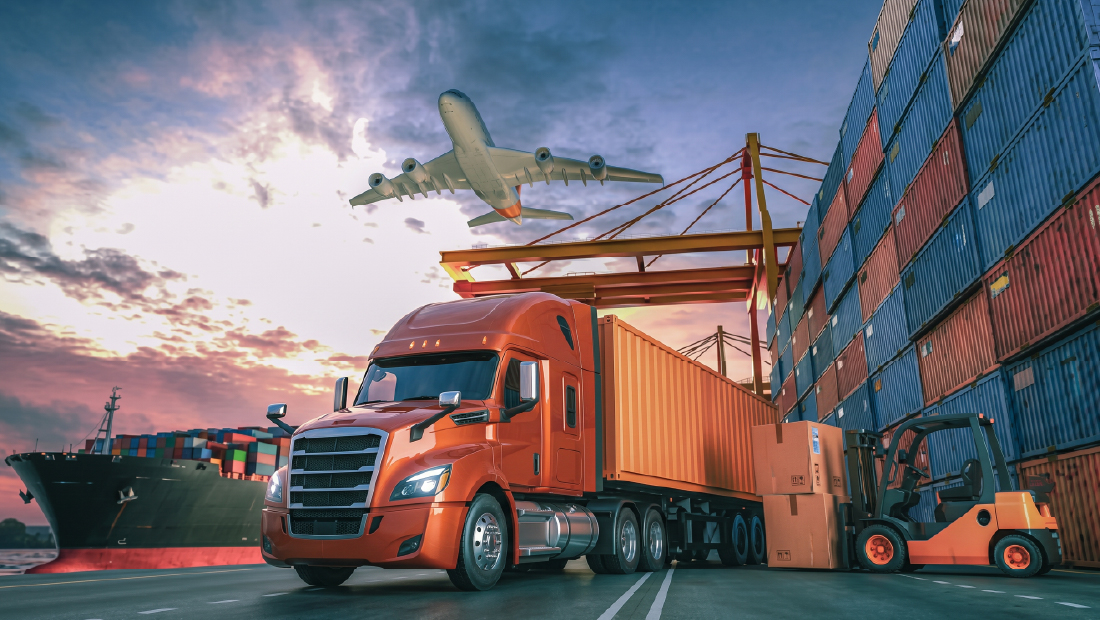
You move temperature sensitive goods across distance. That means your freight depends on controlled conditions from pickup to delivery. Any deviation in temperature directly affects product quality and commercial value. Refrigerated FTL shipping maintains a controlled cold environment inside a dedicated truck. That ensures your goods remain within required temperature ranges throughout transit without exposure to external conditions.
E North Logistics provides refrigerated FTL shipping across the US and Canada. That ensures your cold chain stays stable, monitored, and operationally reliable.
Request a refrigerated FTL shipping quote from E North Logistics to secure your cold chain operations.
You depend on stable temperature conditions for product integrity. That means even minor fluctuations can impact safety, shelf life, or usability. Reefer trucks maintain predefined temperature settings throughout the entire journey. That ensures goods remain within controlled thresholds regardless of external weather conditions.
In food logistics, this prevents spoilage during long distance transport. In pharmaceutical logistics, it protects product efficacy from degradation.
Temperature control directly protects commercial value in transit.
You require uninterrupted cooling for sensitive freight. That means refrigeration cannot pause during movement, stops, or loading phases. Reefer systems operate continuously during transit. That ensures internal temperature remains stable even during long distance routes and variable external conditions.
In pharmaceutical shipments, even short disruptions can compromise product viability. Continuous refrigeration eliminates that risk.
Continuous operation preserves freight integrity.
You control risk by controlling handling frequency. That means fewer touchpoints reduce the probability of damage or temperature disruption. FTL shipping assigns one truck to one shipment. That eliminates cargo mixing and reduces intermediate handling during transit.
In frozen food logistics, this prevents exposure during consolidation and reloading phases.
Dedicated transport reduces operational risk.
You operate under regulatory expectations in temperature sensitive industries. That means compliance depends on documented temperature consistency. Reefer systems provide controlled environments with monitoring capability. That allows temperature conditions to be tracked and verified during transit.
In regulated industries, this supports audit readiness and reduces compliance risk during inspections.
Compliance depends on measurable temperature control.
You need visibility over shipment conditions during transit. That means static shipping information is no longer sufficient for sensitive freight. Modern reefer trucks include tracking systems that monitor temperature and location in real time. That ensures immediate response if deviations occur.
In high value pharmaceutical transport, this prevents loss by enabling corrective action before damage spreads.
Monitoring reduces uncertainty in cold chain logistics.
You maintain product freshness through controlled transport environments. That means temperature consistency directly affects shelf life and safety. Refrigerated FTL shipping keeps food products within required conditions throughout the journey. That prevents spoilage during long distance movement.
In dairy and meat distribution, this ensures products arrive within safe consumption standards.
Food supply chains depend on controlled shipping environments.
You transport goods where temperature defines effectiveness. That means pharmaceutical freight cannot tolerate variation during transit. Reefer systems maintain strict temperature ranges required for medical products. That ensures stability from origin to destination without degradation.
In vaccine logistics, this prevents loss of potency during cross border movement.
Pharmaceutical logistics requires precision handling.
You reduce risk by reducing interruptions. That means fewer stops decrease exposure to external temperature variation. FTL shipping minimizes stops by providing direct delivery routes. That ensures freight remains in controlled conditions throughout the journey.
In cross border shipping, this reduces delays and limits exposure during customs processing windows.
Fewer stops improve thermal stability.
You depend on execution quality, not just equipment. That means operator knowledge directly affects cold chain performance. Refrigerated transport requires trained handling of temperature systems, loading protocols, and monitoring procedures.
Experienced carriers ensure systems function correctly throughout the journey without operational failure.
Carrier expertise defines shipment outcomes.
You optimize logistics cost through volume utilization. That means full truck usage reduces per unit transportation cost. FTL shipping eliminates shared freight inefficiencies such as delays, consolidation costs, and indirect routing.
In bulk distribution, this creates predictable pricing and consistent delivery performance.
Cost efficiency increases with full utilization.
You operate in environments where temperature defines product viability. That means shipping failure is not a delay issue, it is a product loss issue. Refrigerated FTL shipping protects your freight through controlled, continuous temperature management.
E North Logistics provides structured reefer transport across North America with monitored systems and dedicated freight handling. That ensures your cold chain remains stable from origin to delivery.
Request refrigerated FTL shipping from E North Logistics to secure temperature sensitive freight movement.
Build a cold chain logistics plan designed for reliability, compliance, and product protection.
Lorem ipsum dolor sit amet, consectetur adipiscing elit. Ut elit tellus, luctus nec ullamcorper mattis, pulvinar dapibus leo.
Lorem ipsum dolor sit amet, consectetur adipiscing elit. Ut elit tellus, luctus nec ullamcorper mattis, pulvinar dapibus leo.
Lorem ipsum dolor sit amet, consectetur adipiscing elit. Ut elit tellus, luctus nec ullamcorper mattis, pulvinar dapibus leo.
Lorem ipsum dolor sit amet, consectetur adipiscing elit. Ut elit tellus, luctus nec ullamcorper mattis, pulvinar dapibus leo.
Get answers about shipping, freight quotes, and logistics services across USA & Canada.
Refrigerated FTL (Full Truckload) shipping, commonly known as reefer shipping, is the transportation of temperature-sensitive freight in a dedicated refrigerated trailer. Unlike standard dry van transportation, reefer trailers use active cooling and heating systems to maintain a specific temperature range throughout the journey.
The refrigeration unit continuously monitors and regulates trailer conditions to ensure cargo remains within required temperature thresholds from pickup to delivery.
Key advantages include:
Refrigerated FTL shipping is commonly used for food products, pharmaceuticals, medical supplies, floral products, and other temperature-sensitive goods that require strict environmental control.
Refrigerated FTL shipping is designed for freight that must remain within specific temperature ranges to preserve quality, safety, or regulatory compliance. Products that are sensitive to heat, cold, humidity, or temperature fluctuations often require reefer transportation.
Common cargo types include:
Businesses transporting these products rely on refrigerated FTL shipping to maintain product integrity and reduce the risk of spoilage, contamination, or loss during transit.
Refrigerated FTL shipping provides an entire trailer dedicated to a single shipment, while refrigerated LTL combines freight from multiple shippers in the same trailer. For temperature-sensitive freight, this distinction can significantly impact product protection and transit reliability.
Benefits of refrigerated FTL include:
Because reefer FTL minimizes handling and interruptions, it is often the preferred option for high-value, regulated, or highly perishable products.
Reefer trailers are equipped with specialized refrigeration units that actively regulate internal temperatures throughout the shipment. These systems operate independently from the truck engine and continue functioning during stops, loading, unloading, and extended transit periods.
Modern reefer equipment includes:
These technologies help maintain stable conditions across long distances and varying weather environments, ensuring cargo remains within required temperature specifications from pickup through final delivery.
Selecting the right refrigerated carrier is critical because equipment alone does not guarantee cold chain performance. Carrier expertise, operational processes, and monitoring capabilities all contribute to shipment reliability.
Important evaluation criteria include:
A qualified refrigerated carrier should provide complete visibility, documented temperature control, and reliable execution throughout the transportation process. This helps protect product quality, maintain compliance, and reduce the risk of costly shipment losses.
Get fast and reliable support for all your freight, warehousing, and logistics needs across the USA and Canada. Our team is ready to help you with instant quotes and shipment assistance.