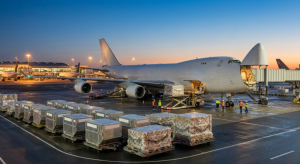
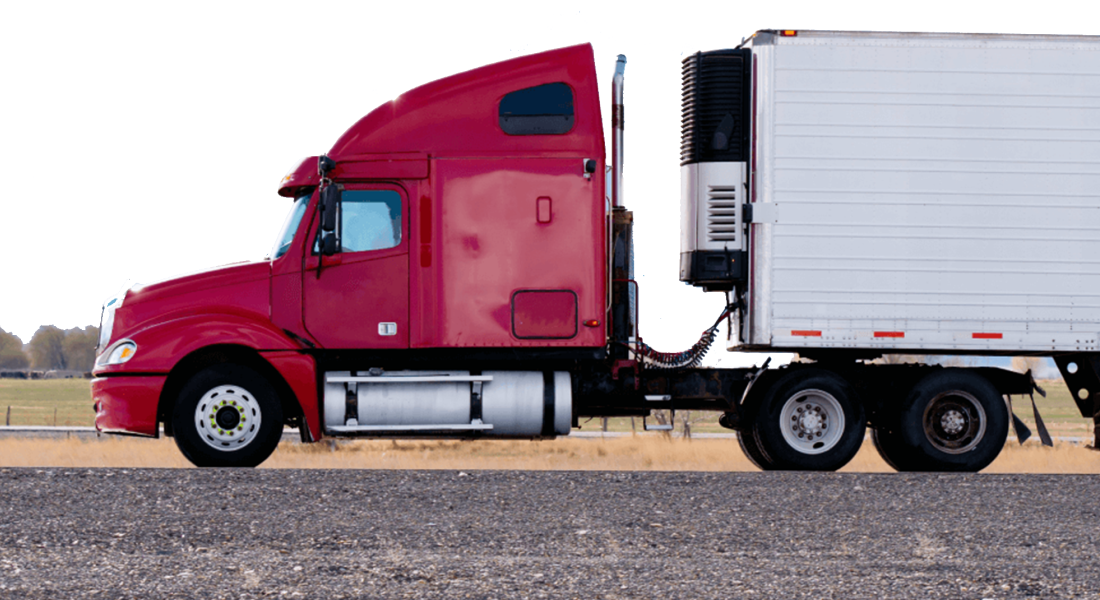
Refrigerated transportation moves temperature-sensitive goods in climate-controlled trailers, known as reefers, so products stay within a required temperature range from pickup to delivery. It is used to ship food, pharmaceuticals, and other perishable or heat-sensitive goods across Canada, the USA, and the border between them.
ENorth Logistics runs refrigerated freight for ecommerce businesses, retailers, manufacturers, and food and beverage companies across Ontario, Quebec, British Columbia, Texas, California, and Illinois. This guide explains how cold chain shipping works, what temperature ranges different products need, and how ENorth Logistics’ Freight/Carrier Operations team keeps shipments compliant and on track.
What Is Refrigerated Transportation?
Refrigerated transportation, also called reefer freight or cold chain logistics, is the movement of goods in a temperature-controlled trailer or container. The trailer’s internal climate is set and monitored throughout the trip so the cargo does not spoil, degrade, or lose potency.
Cold chain logistics covers more than the truck itself. It includes the warehouse storage before loading, the loading process, in-transit monitoring, and the handoff at delivery. A break at any point in that chain, such as a delayed dock door or an idle trailer sitting in the sun, can compromise the product.
Three groups rely on refrigerated transportation most heavily:
- Food and beverage companies moving fresh produce, dairy, meat, and frozen goods
- Pharmaceutical and life sciences companies shipping vaccines, biologics, and diagnostic materials
- Ecommerce and cross-border shippers moving cosmetics, specialty chemicals, and other temperature-sensitive consumer goods
Refrigerated Freight vs. Standard Dry Van Freight
Refrigerated freight differs from standard dry van freight in equipment, cost, and the level of monitoring required throughout transit.
| Factor | Refrigerated Freight | Standard Dry Van Freight |
|---|---|---|
| Equipment | Insulated trailer with an active reefer unit | Standard insulated or uninsulated trailer, no active climate control |
| Monitoring | Continuous temperature and GPS tracking required | GPS tracking typical, temperature monitoring not applicable |
| Cost | Higher per mile due to fuel for the reefer unit and specialized equipment | Lower per mile, no climate control costs |
| Loading process | Requires pre-cooling and airflow-conscious loading | Standard palletized loading |
| Risk profile | Time-sensitive; a delay can directly damage the product | Delays are inconvenient but generally do not damage the freight itself |
| Documentation | Often includes temperature logs and regulatory certificates | Standard bill of lading, no temperature documentation |
Shippers sometimes assume a dry van with good insulation is close enough for mildly temperature-sensitive goods. In practice, insulation alone does not maintain a set temperature over a multi-hour or multi-day trip, especially with any delay at loading, a border crossing, or a dock appointment. Products that need protection from heat or cold extremes, not just insulation from outside air, need active refrigeration and the monitoring that goes with it.
Temperature Ranges by Product Type
Different products need different temperature bands. Getting this wrong, even by a few degrees, can ruin a shipment.
| Product Category | Typical Temperature Range | Why It Matters |
|---|---|---|
| Fresh produce and dairy | 2°C to 4°C | Prevents spoilage and preserves shelf life |
| Frozen foods and meats | Around -20°C | Requires a steady sub-zero environment from warehouse to delivery |
| Standard medications and diagnostics | 15°C to 25°C (controlled room temperature) | Keeps products within label-required storage conditions |
| Vaccines, biologics, and insulin | 2°C to 8°C | A shift of just 2 degrees can affect viability |
| Cosmetics and specialty chemicals | Varies by product | Protects against seasonal heat and cold extremes during transit |
Before a shipment moves, ENorth Logistics’ team confirms the required range with the client and builds it into the load plan, rather than defaulting to a general “reefer setting.”
How ENorth Logistics’ Team Handles Refrigerated Freight
Cold chain shipping has more failure points than standard dry freight, so ENorth Logistics’ Freight/Carrier Operations team follows a structured process for every refrigerated load.
- Intake and temperature confirmation. The team confirms the exact temperature range, product type, and any regulatory requirements (CFIA, FDA, Health Canada, GDP) before booking a carrier.
- Pre-cooling verification. Reefer trailers are run empty for a period before loading so the interior walls stabilize at the correct temperature. This step gets checked, not assumed.
- Carrier and equipment matching. The team selects a carrier with reefer equipment suited to the load, whether that is a full trailer for FTL or a partial, multi-stop configuration for LTL.
- In-transit monitoring. Shipments are tracked with GPS and temperature sensor logs, synced to the ENorth platform so the client can see real-time conditions rather than waiting for a delivery report.
- Exception handling. If a sensor reading drifts or a border crossing runs long, the Customer Support & Tracking team flags it and works the issue before it becomes a client-facing problem.
This process is what lets ENorth Logistics offer refrigerated transport as a managed service rather than just booking a truck and hoping the temperature holds.
Food & Beverage Refrigerated Shipping
Food and beverage shippers need cold chain logistics that match the product’s shelf life and spoilage risk.
Fresh produce and dairy need exact above-freezing cooling, typically 2°C to 4°C, to prevent spoilage. These shipments are usually time-sensitive, so route planning and delivery windows matter as much as the temperature setting.
Frozen foods and meats need a steady sub-zero environment, generally around -20°C, maintained continuously from the warehouse dock through final delivery. Any gap in that chain, such as a trailer sitting on a dock too long, risks partial thawing that cannot be reversed.
Pre-cooling protocols are part of the process regardless of product type. Trailers typically run empty for 30 to 45 minutes before loading to stabilize wall temperatures. Skipping this step is one of the most common causes of temperature excursions in the first hour of a trip.
[INTERNAL LINK: suggested anchor text “ecommerce fulfillment for food and beverage brands”]
Pharmaceutical & Life Sciences Cold Chain
Pharmaceutical shipping has less room for error than most other categories, because temperature excursions can destroy product viability and create regulatory exposure.
Controlled room temperature (CRT) shipments, generally 15°C to 25°C, cover standard medications and diagnostic tools. These loads still require monitoring, since ambient conditions during loading, cross-docking, or a delayed departure can push a trailer outside range even without active refrigeration.
Strict cold chain shipments, kept between 2°C and 8°C, cover vaccines, biologics, and insulin. A shift of just 2 degrees can compromise the product. These loads need continuous monitoring with logged, retrievable data, not just a driver checking a dial.
Compliance standards for pharmaceutical cold chain include Good Distribution Practices (GDP), Health Canada requirements, and FDA mandates depending on origin and destination. ENorth Logistics’ Freight/Carrier Operations team builds these requirements into the carrier selection and documentation process at intake, rather than treating compliance as a final check.
E-Commerce & Cross-Border Refrigerated Freight
Ecommerce and cross-border shippers face a different set of pressures: fast fulfillment expectations combined with customs and weather variability.
Heat and cold protection matters for cosmetics, specialty chemicals, and other temperature-sensitive consumer products. Seasonal extremes, a hot trailer in July or a frozen one in January, can degrade products that were never designed with cold chain packaging in mind.
Border clearance for refrigerated freight requires clean, accurate documentation and continuous climate monitoring so shipments are not held up at the Canada-U.S. border. Delays at customs are one of the biggest risks to cold chain integrity, since a stopped trailer is still running a temperature clock.
Visibility through technology is what makes this manageable. ENorth Logistics uses GPS tracking and real-time sensor logs, synced to the client’s own dashboard, so shippers can verify trailer conditions throughout a cross-border route instead of finding out about a problem after delivery.
[INTERNAL LINK: suggested anchor text “cross-border shipping and customs support”]
FTL vs. LTL for Refrigerated Freight
Shippers moving temperature-sensitive goods need to choose between full truckload and less-than-truckload service based on volume, cost, and risk tolerance.
| Factor | Full Truckload (FTL) | Less-Than-Truckload (LTL) |
|---|---|---|
| Best for | Large volume, single-destination shipments | Smaller volume shared with other freight |
| Temperature control | One set point for the entire trailer | Requires compatible temperature zones with other shippers’ freight |
| Cost | Higher per shipment, lower per unit at volume | Lower per shipment for small loads |
| Handling risk | Fewer touches, lower contamination or delay risk | More touches at consolidation points |
| Typical use case | Bulk frozen or chilled food, large pharma shipments | Smaller ecommerce or specialty product loads |
ENorth Logistics’ Freight/Carrier Operations team reviews the shipment profile, product sensitivity, and delivery deadline before recommending FTL or LTL, since the wrong choice can add unnecessary cost or unnecessary risk.
Common Cold Chain Challenges and How ENorth Solves Them
Challenge: Pre-cooling gets skipped. A trailer that is not properly pre-cooled starts the trip outside the required range. ENorth Logistics’ team confirms pre-cooling as a checklist item with the carrier before loading begins, not after.
Challenge: Documentation errors delay border crossings. Incomplete or inconsistent paperwork is one of the most common causes of customs delays for cross-border refrigerated freight. The team reviews documentation at intake so shipments are not held up at the border.
Challenge: Loss of visibility in transit. Shippers without real-time tracking often only learn about a temperature issue after delivery, when it is too late to act. ENorth Logistics syncs GPS and temperature sensor data to the client’s dashboard so issues can be caught and addressed while the shipment is still moving.
Challenge: Mismatched carrier equipment. Not every reefer trailer is suited to every product or temperature range. The team matches carrier equipment to the specific load rather than booking based on availability alone.
Industries ENorth Logistics Serves
ENorth Logistics supports refrigerated transportation across a range of industries, each with different temperature and compliance needs.
Ecommerce businesses shipping temperature-sensitive consumer goods, such as cosmetics or specialty food products, need cold chain support that fits into fast fulfillment timelines without sacrificing product integrity. This often means coordinating refrigerated transport with the same fulfillment operation that picks, packs, and ships the order.
Food and beverage companies moving fresh, frozen, and perishable products need reliable temperature control across every leg of the trip, from warehouse storage through final delivery to a distributor or retailer.
Manufacturers producing goods that require climate-controlled storage or transit, including certain chemicals and industrial materials, need carriers and warehousing that can maintain consistent conditions beyond just the transportation leg.
Wholesale distributors managing multi-region cold chain distribution need a carrier network that covers multiple provinces and states without gaps in temperature control between regional legs of a longer route.
Import and export businesses moving cross-border refrigerated freight need documentation and monitoring that satisfies regulatory requirements on both sides of the Canada-U.S. border, along with visibility into where a shipment stands during customs processing.
Construction and energy and utilities companies occasionally require refrigerated transport for specialized materials or equipment that are sensitive to temperature extremes, even though their core freight needs are typically dry van or flatbed.
Across all of these industries, the common requirement is the same: a provider that treats temperature control as a managed process, not an equipment checkbox.
[INTERNAL LINK: suggested anchor text “warehousing and inventory management for perishable goods”]
Why Cold Chain Reliability Matters More Than Ever
Ecommerce growth, stricter pharmaceutical distribution rules, and rising cross-border volume between Canada and the USA have made refrigerated transportation a bigger part of everyday freight, not a niche service.
A shipper moving fresh produce, biologics, or seasonal skincare products faces the same underlying risk: a single break in the cold chain can turn a shipment into a write-off. For food companies, that means spoiled inventory and lost margin. For pharmaceutical companies, it can mean a product that no longer meets label requirements and cannot legally be distributed. For ecommerce brands, it can mean a damaged product landing on a customer’s doorstep and a support ticket that damages trust.
This is why refrigerated transportation is judged less on truck availability and more on process discipline: pre-cooling, monitoring, documentation, and how quickly a problem gets caught and corrected. ENorth Logistics builds its refrigerated freight service around that discipline rather than treating a reefer booking as interchangeable with a dry van booking.
The Reefer Carrier Network Behind Refrigerated Shipments
Refrigerated freight depends on carriers with the right equipment, not just available capacity. ENorth Logistics works with an established carrier network across Canada and the USA, including Purolator, DHL Freight, Day & Ross, XPO Logistics, TForce Freight, TST-CF Express, Minimax Express, and FedEx Freight and FedEx Express, matching equipment and lane experience to each shipment’s requirements.
For a refrigerated load, equipment fit means more than “does the trailer have a reefer unit.” The Freight/Carrier Operations team also considers:
- Whether the trailer’s reefer unit is rated for the required temperature range, including deep-frozen loads
- Whether the carrier has documented experience on the specific lane, especially for cross-border routes with known customs patterns
- Whether the equipment supports multi-temperature zones if a load is combined with other freight
- Whether the carrier can provide temperature logs in a format the client’s own compliance team can use
This equipment-matching step happens before a shipment is booked, not after a problem shows up in transit.
Technology and Visibility in Refrigerated Freight
Real-time visibility is what separates a managed cold chain shipment from a trailer that simply has a temperature dial set at pickup.
ENorth Logistics runs refrigerated shipments through the same unified platform used across its freight, warehousing, and fulfillment services. That means:
- Live GPS tracking so the client can see where the shipment is at any point in the route
- Temperature sensor logging that records conditions throughout transit, not just at pickup and delivery
- Platform-synced alerts so the Customer Support & Tracking team and the client see the same data at the same time
- Retrievable compliance records for pharmaceutical and food clients who need documentation for audits or regulatory review
This visibility matters most during the parts of a trip that are hardest to control directly, such as a border crossing, a multi-stop LTL route, or a delayed dock appointment at a distribution center. Instead of a shipper finding out about a temperature issue at delivery, the data is available while the truck is still on the road, giving the team time to intervene.
Packaging and Load Planning for Temperature-Sensitive Freight
Reefer equipment alone does not guarantee a stable cold chain. How a trailer is loaded, and how a product is packaged, both affect whether temperature holds throughout the trip.
Airflow matters as much as the set point. A reefer trailer cools through air circulation, not direct contact. Pallets loaded too tightly against the walls or ceiling can block airflow and create warm pockets, even when the unit is running correctly. ENorth Logistics’ loading process accounts for airflow space around pallets rather than maximizing every cubic foot of trailer space at the expense of temperature consistency.
Insulated packaging supports the trailer, it does not replace it. Products like specialty cosmetics or diagnostic materials often ship in insulated boxes or with gel packs as a secondary layer of protection. This helps during dock transfers and short gaps between refrigerated environments, but it is not a substitute for a properly functioning reefer unit for the full transit.
Multi-stop LTL loads need compatible zones. When a refrigerated shipment shares trailer space with other freight on an LTL route, the products need compatible temperature requirements. A frozen meat shipment and a chilled produce shipment cannot share the same zone at the same set point without one of them drifting outside range. The Freight/Carrier Operations team checks compatibility before consolidating loads, not after.
Canada-U.S. Regulatory Considerations for Cold Chain Freight
Refrigerated shipments crossing the Canada-U.S. border need to satisfy requirements on both sides, and the documentation burden is higher than for standard dry freight.
For food shipments, this generally means meeting Canadian Food Inspection Agency (CFIA) requirements on the Canadian side and FDA requirements on the U.S. side, depending on the product category and direction of travel. For pharmaceutical shipments, Health Canada and FDA distribution requirements both apply, along with Good Distribution Practices standards that govern how temperature-sensitive products are stored and transported.
The practical impact for shippers is that documentation needs to be complete and consistent before the truck reaches the border, not assembled after a hold-up. ENorth Logistics’ team reviews product classification, required certificates, and temperature logging format at intake specifically so cross-border refrigerated loads are not the ones sitting at a customs checkpoint while the clock runs on product temperature exposure.
This is also an area where ENorth Logistics’ team framing matters most: rather than promising a guaranteed clearance time, which no provider can control, the team focuses on eliminating the documentation and equipment issues that are within its control before the shipment departs.
Seasonal Considerations for Refrigerated Shipping
Cold chain risk changes with the seasons, and route planning adjusts accordingly.
Summer heat increases the load on reefer units, especially during dock waiting time when a trailer may sit with doors open during loading or unloading. Longer dwell times in warm weather increase the chance of a temperature climb before the unit can recover.
Winter cold creates the opposite risk for products that need to stay above freezing, such as certain fresh produce and some pharmaceutical products. A reefer unit set to heat rather than cool needs the same monitoring discipline as one set to cool, since freezing can damage a product just as easily as overheating.
Shoulder seasons often see the most variable ambient temperatures within a single day, which makes consistent monitoring more important than relying on a single seasonal assumption about equipment needs.
ENorth Logistics’ Freight/Carrier Operations team factors seasonal conditions into route and dock scheduling for refrigerated loads, particularly for lanes with longer transit times or multiple stops.
Cost Factors in Refrigerated Freight Pricing
Refrigerated freight pricing depends on more variables than standard dry van shipping, and understanding them helps shippers plan realistic budgets.
Equipment and fuel. Reefer units run continuously to maintain temperature, which uses more fuel than a dry trailer. This is factored into the base rate and is one of the main reasons refrigerated freight costs more per mile than dry van freight.
Distance and transit time. Longer routes mean more hours the reefer unit needs to run, and more exposure to the risk factors that come with extended transit, such as weather changes or multiple dock stops.
Load type: FTL versus LTL. A full truckload dedicated to one shipment is generally priced per load, while LTL freight is priced by weight, space, and freight class, plus any premium for temperature control. Smaller shippers often find LTL more cost-effective, provided their product’s temperature range is compatible with other freight on the route.
Monitoring and compliance requirements. Shipments that need documented temperature logs, such as pharmaceutical loads under GDP requirements, may carry additional costs tied to the equipment and reporting needed to produce that documentation.
Seasonal demand. Reefer capacity can tighten during peak produce seasons or holiday ecommerce periods, which affects pricing and availability. Booking ahead of predictable seasonal peaks generally gives shippers better rate and capacity options.
ENorth Logistics’ Client Onboarding team walks new clients through these variables during the quoting process, so the final rate reflects the shipment’s actual requirements rather than a generic reefer rate that does not account for product-specific needs.
Client Onboarding for Refrigerated Freight
Setting up a new refrigerated freight account involves more upfront detail than a standard freight account, because the temperature and compliance requirements need to be documented before the first shipment moves.
Step 1: Product and temperature profile. The Client Onboarding team collects the product categories being shipped, required temperature ranges, and any regulatory framework that applies, such as CFIA, FDA, or GDP requirements.
Step 2: Lane and volume review. The team reviews typical shipping lanes, expected volume, and whether shipments will generally move as FTL, LTL, or a mix of both, which shapes carrier selection going forward.
Step 3: Documentation setup. For cross-border or regulated shipments, the required documentation format is agreed upon in advance, including how temperature logs will be delivered and retained for compliance or audit purposes.
Step 4: Platform access. The client is set up on ENorth Logistics’ unified tracking platform so shipment visibility, including GPS and temperature data, is available from the very first load rather than added on later.
Step 5: First shipment review. After the first few shipments, the Freight/Carrier Operations team reviews performance with the client to confirm the temperature range, documentation, and carrier fit are all working as expected, and adjusts before volume scales up.
This structured onboarding is what allows ENorth Logistics to scale a client’s refrigerated freight volume without repeating the same compliance and equipment questions on every shipment.
How to Choose a Refrigerated Freight Provider
Shippers evaluating a refrigerated transportation provider should look past “do you have reefer trucks” and ask about the process behind the equipment.
Questions worth asking a provider:
- How is pre-cooling verified, not just requested, before loading begins?
- What temperature monitoring data will I receive, and how often is it updated during transit?
- How are exceptions handled if a sensor reading drifts outside range mid-route?
- What documentation is prepared in advance for cross-border shipments, and who reviews it before departure?
- How is carrier equipment matched to my specific product and temperature requirements, rather than to general availability?
- Who is my point of contact if an issue comes up during transit, and how quickly will I hear about it?
ENorth Logistics structures its refrigerated freight service around clear answers to each of these questions, using its Freight/Carrier Operations team, Client Onboarding team, and unified tracking platform to keep the process visible to the client from booking through delivery.
Getting Started with ENorth Logistics
Shippers moving food, pharmaceutical, or temperature-sensitive ecommerce products across Canada, the USA, or the border between them can work with ENorth Logistics’ Client Onboarding team to set up a refrigerated freight account built around their specific product and compliance requirements.
The process starts with a review of product type, required temperature range, typical shipping lanes, and volume. From there, ENorth Logistics’ Freight/Carrier Operations team selects the right carrier equipment, confirms documentation needs, and sets up platform access so shipment visibility is in place before the first load moves.
Whether the shipment is a single frozen freight pallet moving domestically or a recurring cross-border route carrying temperature-sensitive pharmaceutical products, the same underlying process applies: confirm the requirement, match the equipment, monitor the trip, and catch problems before they reach the client or the end customer.
Contact ENorth Logistics to discuss a refrigerated transportation plan for your specific product, lane, and volume.
Frequently Asked Questions
What is the difference between refrigerated transportation and cold chain logistics?
Refrigerated transportation refers specifically to moving goods in a temperature-controlled trailer. Cold chain logistics is the broader system, including storage, handling, and monitoring, that keeps a product within its required temperature range from origin to final delivery.
What temperature should a reefer trailer be set to for frozen food?
Frozen foods and meats typically require a steady sub-zero environment around -20°C, maintained continuously from the warehouse dock through delivery. The exact setting depends on the specific product and its labeling requirements.
How long does a reefer trailer need to pre-cool before loading?
Reefer trailers are generally run empty for 30 to 45 minutes before loading to stabilize the interior wall temperature. This step reduces the risk of a temperature excursion in the early part of the trip.
Can pharmaceutical shipments use the same reefer trailers as food shipments?
They can use similar equipment, but pharmaceutical shipments, especially cold chain products like vaccines and biologics, require tighter temperature tolerances (2°C to 8°C) and documented monitoring to meet Good Distribution Practices and regulatory requirements.
How does ENorth Logistics track temperature during transit?
ENorth Logistics uses GPS tracking and real-time sensor logs synced to the client’s dashboard, so shipment conditions can be monitored throughout the trip rather than reviewed only after delivery.
What causes delays at the border for refrigerated cross-border freight?
Incomplete or inconsistent documentation is one of the most common causes of border delays for refrigerated freight. Continuous climate monitoring and clean paperwork help shipments move through customs without unnecessary holds.
Should I choose FTL or LTL for a refrigerated shipment?
It depends on shipment volume and product sensitivity. FTL is generally better for large volume or highly sensitive loads that benefit from a single temperature zone, while LTL can be cost-effective for smaller shipments that can share compatible temperature zones with other freight.
What happens if a reefer trailer’s temperature drifts during transit?
If a sensor reading drifts outside the required range, the priority is identifying the cause quickly, whether it is a mechanical issue, a dock delay, or a loading problem, and correcting it before the product is compromised. Real-time monitoring is what makes early detection possible instead of finding out at delivery.
Do refrigerated shipments cost more than standard dry van freight?
Refrigerated freight generally costs more than dry van shipping because of the specialized equipment, fuel used to run the reefer unit, and the additional monitoring and documentation involved. The exact cost depends on shipment size, distance, temperature requirements, and whether the load moves as FTL or LTL.