Shipping perishable goods across long distances requires constant care, precise temperature control, and specialized equipment. From fresh organic produce and dairy items to sensitive life-saving pharmaceuticals, maintaining product freshness is essential for modern businesses. If temperature levels drift even a few degrees off target during transit, entire shipments can spoil in minutes. This operational challenge makes reliable refrigerated transportation services vital for global supply chains in 2026.
Modern logistics networks rely on advanced technology to protect cargo from origin to destination. Today, cold chain management combines real-time digital sensors, automated storage hubs, and specialized reefer trailers to guarantee product safety. At ENorth Logistics, we help commercial shippers move temperature-sensitive freight across North American corridors with complete peace of mind. This guide explores core cold chain components, key industry trends, and practical operational strategies to optimize your refrigerated logistics network.
Core Pillars of Cold Chain Logistics
Managing temperature-sensitive goods involves a continuous chain of specialized equipment, facilities, and packaging techniques. If a single link in this chain breaks, product quality drops rapidly. Understanding how these structural components work together helps shippers protect their commercial cargo at every stage of the journey.
Temperature-Controlled Warehousing and Storage Zones
Before goods are loaded onto trucks, they are staged in specialized cold storage facilities. Modern facilities maintain distinct climate-controlled environments tailored to specific product categories.
- Chilled Warehousing (35°F to 40°F): Ideal for fresh produce, dairy products, eggs, and raw meat destined for quick retail distribution.
- Frozen Warehousing (Below 0°F): Essential for frozen meals, ice cream, seafood, and long-term poultry storage to prevent bacteria growth.
- Deep-Frozen and Cryogenic Zones (Below -70°F): Specialized storage areas used primarily for high-value biologics, vaccines, and advanced pharmaceutical formulas.
Info: Proper warehouse air circulation and automated door seals prevent warm air from entering storage rooms, keeping energy consumption low and temperatures stable.
Refrigerated Transport Systems (Reefer Trucking & Rail)
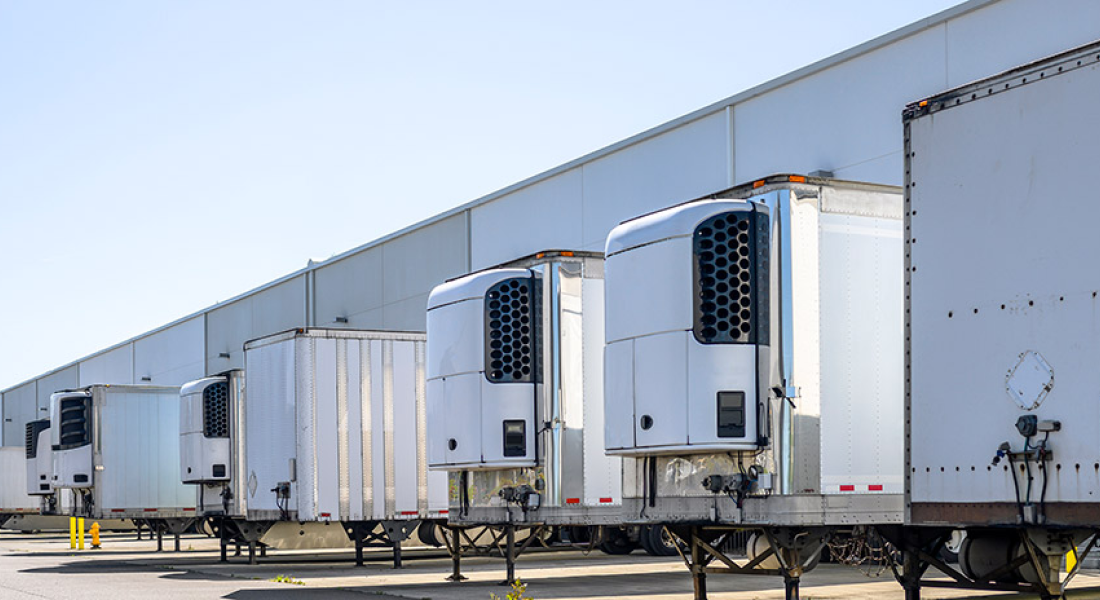
Once cargo leaves the warehouse, it moves into active transport equipment equipped with mechanical cooling systems. Reefer trucking remains the most popular choice for flexible highway distribution, while refrigerated railcars handle heavy long-haul loads.
- Active Cooling Equipment: Onboard diesel generators and heavy-duty compressors continuously circulate cold air throughout the cargo trailer.
- Multi-Temperature Units: Advanced trailers feature internal partition walls that allow drivers to set separate temperature zones inside a single truck bed.
- Intermodal Containers: Specialized ocean and rail containers allow seamless transfers between ships, trains, and highway trucks without breaking the cold chain loop.
Active and Passive Thermal Packaging
When moving smaller shipments or managing final-mile deliveries, shippers rely on specialized thermal packaging to shield items from external weather changes.
- Passive Insulation: Heavy-duty insulated box liners, reflective thermal blankets, and styrofoam coolers slow heat transfer naturally.
- Phase Change Materials (PCMs): Advanced gel packs and specialized compounds absorb or release thermal energy to hold precise temperature bands for up to 72 hours.
- Dry Ice and Liquid Nitrogen: Used for deep-freeze shipments that demand sub-zero temperatures without relying on electric refrigeration units.
Major 2026 Trends Transforming Temperature-Controlled Shipping
The cold chain sector is undergoing massive technological upgrades this year. Supply chain leaders are moving away from manual temperature tracking toward fully automated digital systems. These innovations help shippers lower energy costs, cut food waste, and meet strict government safety standards.
Digital Automation and Automated Cold Storage
Leading logistics enterprises, such as Lineage and Americold, are rapidly adopting artificial intelligence and automated robotics inside their distribution hubs. Automated Storage and Retrieval Systems (ASRS) move pallets through freezing warehouse zones without human intervention. Reducing human door openings keeps cold air trapped inside storage rooms, lowering electricity usage while speeding up order fulfillment.
Real-Time IoT Telemetry and Temperature Excursion Prevention
Legacy cold shipping relied on basic data loggers that revealed temperature spikes after the truck arrived at the unloading dock. Today, modern fleets use Internet of Things (IoT) sensors and smart telematics for continuous IoT temperature monitoring.
Sensors stream live telemetry data to cloud dashboards every minute. If a reefer compressor fails or a trailer door stays open too long, automated alerts notify dispatchers immediately. This rapid warning system allows drivers to fix equipment issues before cargo suffers damage.
Tighter Regulations and Audit-Ready Compliance
Government agencies across North America and Europe are enforcing stricter safety laws for food and medical shipments. Rules like the FDA Food Safety Modernization Act (FSMA 204) mandate complete digital traceability across every step of the supply chain. Shippers must provide audit-ready digital logs proving that cargo remained at safe temperatures throughout transit.
Note: Failing a temperature compliance audit can result in rejected loads, heavy financial penalties, or complete product recalls. Working with certified transportation partners ensures your digital records meet all regulatory checks.
Temperature Specifications Across Key Perishable Freight Categories
Different types of commercial goods require specific climate settings to maintain structural safety and freshness. A temperature setting that works perfectly for fresh apples would ruin a load of ice cream or sensitive liquid chemicals. Shippers must communicate exact temperature limits to their transport providers before loading freight.
Review this scannable reference guide to see standard climate settings across common cargo types:
Product Category | Recommended Temperature Range | Ideal Relative Humidity | Core Shipping Considerations |
Fresh Produce (Apples, Berries) | 32°F to 38°F (0°C to 3°C) | 90% to 95% | Requires continuous airflow to prevent ethylene gas buildup and mold growth. |
Dairy & Fresh Meats | 34°F to 38°F (1°C to 3°C) | 85% to 90% | Strict sanitation controls needed; zero tolerance for warm temperature spikes. |
Frozen Foods & Ice Cream | -10°F to 0°F (-23°C to -18°C) | Low Humidity | Demands continuous sub-zero reefer transport to prevent ice melting and texture loss. |
Biologics & Pharmaceuticals | 36°F to 46°F (2°C to 8°C) | Controlled / Sealed | Requires validated active packaging and real-time GPS telemetry tracking. |
Fresh Floral Cargo | 33°F to 35°F (0.5°C to 1.5°C) | 85% to 90% | Highly sensitive to ethylene; requires pre-cooling prior to trailer loading. |
Best Practices to Eliminate Cold Chain Breakdowns and Spoilage
Preventing product spoilage requires more than simply setting the trailer thermostat before driving away. Operational mistakes during loading, transit, or unloading can easily ruin sensitive freight. Implementing disciplined operating procedures protects your financial investments on every shipment.
Rigorous Sanitation Controls and Equipment Maintenance
Transporting food or medical items requires clean cargo trailers. Bacteria and foul odors left behind by previous shipments can contaminate new cargo quickly.
- Pre-Trip Trailer Washing: Wash and sanitize interior trailer walls with commercial-grade cleaning agents before loading new food products.
- Reefer Unit Inspections: Inspect fuel levels, drive belts, and compressor oil on the refrigeration unit before starting long trips.
- Door Gasket Checks: Replace cracked or worn rubber door seals to block warm ambient air from leaking into the trailer bed.
Pre-Cooling Cargo and Loading Dock Protocols
One common mistake in perishable freight transport is expecting the truck reefer unit to cool down warm products. Reefer trailers are designed to maintain existing product temperatures, not lower the internal temperature of warm cargo.
- Pre-Cooling Products: Ensure all food and pharmaceutical items reach their target temperature inside cold storage rooms before loading.
- Pre-Cooling Trailers: Run the truck reefer unit for at least 30 to 45 minutes to cool the interior trailer walls before loading starts.
- Refrigerated Dock Staging: Keep loading docks chilled so products never sit in warm room air while moving from warehouse to truck.
Choosing the Right 3PL Partner for Refrigerated Logistics
Managing a high-performing internal cold chain network requires significant capital, expensive trailer fleets, and constant administrative oversight. Partnering with a third-party logistics provider simplifies your operations while giving you access to advanced technology.
At ENorth Logistics, we deliver reliable temperature-controlled shipping solutions across North America. Our modern carrier network features state-of-the-art reefer trailers, IoT telemetry sensors, and automated compliance tracking systems. Whether you are shipping fresh produce, frozen foods, or sensitive pharmaceuticals, our logistics team manages your shipments with care.
We handle cross-border customs documentation, route planning, and real-time monitoring so your freight arrives fresh and on schedule. Partnering with ENorth Logistics shields your business from spoilage risks, regulatory fines, and unexpected transit delays.
Conclusion
Succeeding in the temperature-controlled logistics market requires a disciplined approach to vehicle maintenance, digital tracking, and regulatory compliance. Relying on outdated equipment or unmonitored transport routes leaves your business vulnerable to product spoilage, heavy financial losses, and rejected loads. Transitioning toward a modern cold chain strategy shields your corporate bottom line while ensuring your perishable goods arrive in pristine condition.
By utilizing real-time IoT temperature monitoring, enforcing strict pre-cooling protocols, and maintaining clean trailer environments, you can eliminate cold chain breakdowns effortlessly. You do not have to accept unexpected temperature spikes or compliance blind spots that jeopardize your commercial cargo.
The experienced freight specialists at ENorth Logistics are ready to build a reliable, cost-effective cold chain solution for your business. Our team handles the complex details of reefer routing, IoT telemetry tracking, and sanitation oversight so your staff can focus entirely on core business growth.
Frequently Asked Questions About Refrigerated Transportation Services
What is the main difference between active and passive cold chain shipping?
Active cold chain shipping uses mechanical cooling equipment, such as diesel-powered reefer units, to continuously pump cold air throughout a trailer or container. Passive shipping relies on insulated box liners, ice packs, or phase change materials to hold temperatures stable without external power sources during short transit routes.
How do IoT sensors improve refrigerated logistics performance?
IoT sensors track temperature, humidity, and location metrics continuously during transit. They stream live data to cloud networks, sending instant alerts to dispatchers if temperature levels drift off target. This real-time visibility allows logistics teams to fix reefer settings or address equipment issues before cargo spoils.
Why is pre-cooling cargo essential before loading it into a reefer trailer?
Pre-cooling cargo is essential because truck refrigeration units are engineered to maintain product temperatures, not cool down warm items. Loading warm products forces the reefer motor to work under extreme strain, raising internal humidity levels and increasing the risk of thermal shock or product spoilage.
What compliance standards apply to perishable freight transport in North America?
Major compliance standards include the FDA Food Safety Modernization Act (FSMA 204) in the United States and safe food guidelines in Canada. These regulations demand strict temperature tracking, detailed sanitation records, and audit-ready digital logs to guarantee food safety across every handoff point.