Shipping commercial freight across North America requires choosing equipment that matches your cargo’s specific needs. A single logistics oversight can result in damaged goods, missed delivery deadlines, or lost revenue. When setting up a transportation plan, business owners and supply chain managers face a major decision. They must decide whether to move their cargo using temperature-controlled trailers or standard enclosed dry vans.
Selecting between refrigerated shipping vs standard shipping impacts your operational budget, delivery timelines, and product safety. While standard dry vans offer lower freight rates and high trailer availability, temperature-sensitive goods demand specialized cooling technology. Transporting delicate items without proper climate controls risks total cargo spoilage.
This comparison guide evaluates both shipping methods across key operational factors, including equipment design, carrier costs, capacity availability, and regulatory requirements. At ENorth Logistics, we help commercial shippers select the ideal transportation setup for every lane. Read on to discover which freight option fits your supply chain needs.
Understanding the Baseline Fundamentals
Before comparing shipping costs and delivery timelines, you need to understand how these two transportation methods function. Each option relies on different trailer designs and operational mechanics to move cargo safely.
What is Refrigerated Shipping (Reefer Freight)?
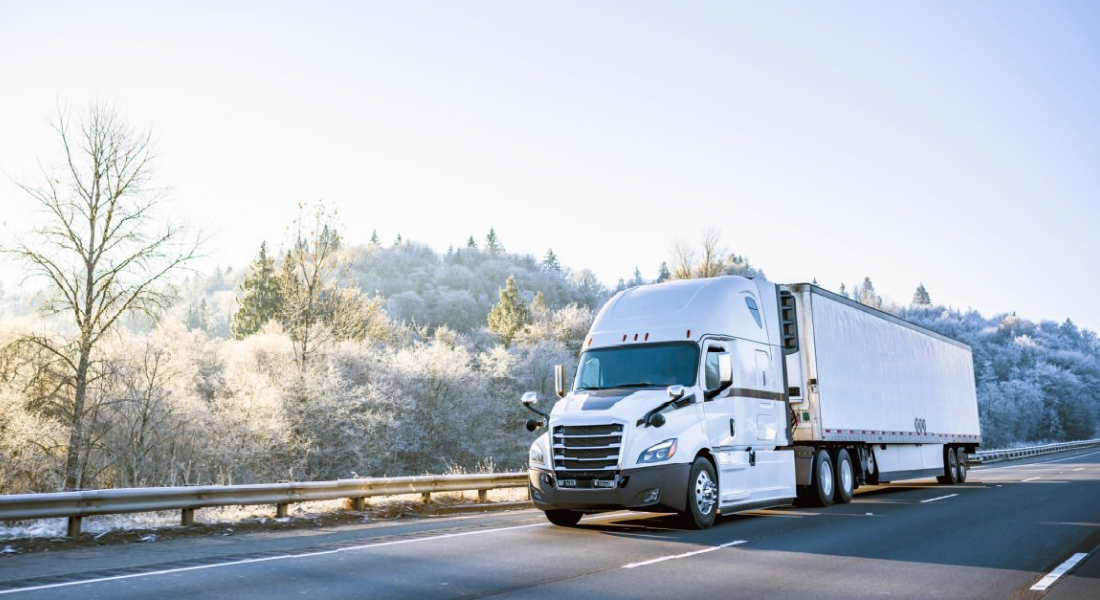
Refrigerated shipping, widely known in the transportation industry as reefer shipping, uses specialized trailers fitted with active cooling and heating systems. These trailers feature heavy insulation along the walls, ceiling, and floor to minimize thermal heat exchange with the outside environment. Powerful refrigeration units mounted on the front of the trailer pump chilled air continuously throughout the cargo space.
This specialized technology allows carriers to hold precise internal settings ranging from -20°C to +20°C (-4°F to +68°F). As a result, reefer trailers provide essential cold storage transport for goods that degrade when exposed to heat, humidity, or severe winter freezes.
What is Standard Shipping (Dry Van Freight)?
Standard shipping relies on enclosed, non-ventilated trailers known as dry vans. These standard 53-foot trailers feature solid aluminum or composite walls, hardwood floors, and rear roll-up or swing doors.
Unlike reefer units, dry vans do not feature built-in heating or cooling equipment. They protect cargo against rain, wind, highway dirt, and theft. Standard dry van trailers carry ambient freight that remains stable under changing weather conditions.
Key Factors to Consider When Choosing Your Shipping Method
Evaluating your transportation options involves balancing product safety against operational budgets. Supply chain managers examine five core operational metrics to select the right equipment for their cargo lanes.
Cargo Sensitivity and Perishability
The primary factor that dictates your choice is how sensitive your cargo is to temperature changes. Perishable food products like fresh meat, dairy, seafood, and fresh produce spoil rapidly if left in an unconditioned truck. Pharmaceuticals, vaccines, floral arrangements, and fine art pieces also require precise climate limits to preserve their quality.
On the other hand, non-perishable commodities like packaged goods, clothing, furniture, and paper products travel safely inside standard trailers. These items do not degrade during normal transit times, making climate control unnecessary.
Operational Cost Differences and Market Rates
Shipping rates vary noticeably between these two equipment types. Moving cargo inside a reefer trailer carries a higher cost than using a standard dry van. This price difference stems from several factors, including higher initial trailer purchase prices, ongoing maintenance for refrigeration motors, and continuous diesel fuel burn.
Info: Current spot market data shows that national reefer rates average between $2.23 and $3.39 per mile, while standard dry van rates range from $1.94 to $3.02 per mile depending on the region and seasonal demand.
Equipment Availability and Fleet Capacity
Dry van trailers represent the vast majority of commercial truck fleets in North America. Because so many dry vans operate across highway corridors, finding available capacity for ambient freight is fast and simple year-round.
Reefer equipment is more specialized, leading to tighter capacity in specific regions during peak harvesting seasons. When agricultural harvests surge in spring and summer, reefer capacity tightens, driving up spot market rates across major shipping lanes.
Regulatory Compliance and Health Standards
Certain commodities are subject to strict government regulation during transport. Food products must comply with the FDA Food Safety Modernization Act (FSMA) sanitary transport rules in the United States and similar health standards in Canada.
Pharmaceutical shipments demand strict adherence to Good Distribution Practice (GDP) standards. These regulations require carriers to provide verified temperature logs proving the cargo stayed within safe limits from origin to destination. Standard dry vans cannot provide the digital temperature tracking required for regulated goods.
Refrigerated Shipping vs Standard Shipping – Head-to-Head Comparison Matrix
To help your business evaluate both options quickly, we compiled a clear comparison table. Use this breakdown to match your product specifications with the correct trailer type.
Review how these two transportation models compare across key operational variables:
Performance Metric | Refrigerated Shipping (Reefer) | Standard Shipping (Dry Van) |
Climate Control | Active cooling & heating (-20°C to +20°C) | Passive ambient, no climate control |
Typical Equipment | 53-foot insulated trailer with reefer motor | 53-foot enclosed dry van trailer |
Average National Cost | Higher rate due to fuel & maintenance costs | Lower rate, cost-effective for general goods |
Trailer Capacity | Up to 26 pallets (slight weight penalty for motor) | Up to 26 pallets (higher max payload weight) |
Equipment Availability | Moderate, tightens during produce seasons | High availability across all shipping lanes |
Spoilage Risk | Very low for temperature-sensitive cargo | High if perishable cargo is loaded by mistake |
Regulatory Logging | Automated digital temperature recording | Basic paper Bill of Lading (BOL) tracking |
Deep-Dive Analysis of Refrigerated Shipping
Choosing reefer transport provides essential protection for products that cannot survive temperature swings. Understanding the mechanical capabilities of reefer trailers helps you manage your specialized freight efficiently.
Active Heating and Cooling Technologies
Reefer units function using a closed-loop refrigeration cycle that removes heat from inside the trailer. The motor cycles refrigerant through compressors, condensers, and evaporators to maintain steady air conditions. Modern reefer trailers offer two distinct operational settings:
- Continuous Cooling: The reefer motor runs constantly to keep internal temperatures completely steady. This setting is mandatory for delicate cargo like fresh produce, raw meat, and vaccines.
- Stop-Start Cooling: The cooling motor turns on only when sensors detect internal temperatures drifting outside a pre-set range. This mode consumes less diesel fuel and works well for less sensitive items like frozen foods.
High-Value Commodities Demanding Climate Control
A wide variety of commercial industries depend on reefer fleets to keep their supply chains running smoothly. Selecting a reefer is non-negotiable for specific product categories.
Key commodities requiring climate control include:
- Fresh and Frozen Foods: Dairy products, poultry, seafood, frozen meals, and fresh fruits or vegetables.
- Pharmaceuticals & Biologics: Insulin, blood plasma, clinical trial samples, and specialized medications.
- Floral & Plant Cargo: Cut flowers, nursery stock, and seeds that require high humidity and cool air.
- Fine Art & Antiques: Historic paintings, wooden sculptures, and museum artifacts sensitive to humidity shifts.
- Specialty Chemicals: Industrial coatings, adhesives, and cosmetics that degrade in extreme heat.
Financial and Operational Trade-Offs of Reefers
While reefer trailers prevent costly product spoilage, they introduce specific operational trade-offs. The refrigeration motor adds extra physical weight to the front of the truck, slightly reducing the maximum legal payload weight you can load.
Additionally, mechanical cooling units require regular servicing to prevent unexpected breakdowns on the road. Drivers must monitor fuel levels constantly because a reefer unit running out of diesel can ruin a full load of frozen freight.
Note: Always pre-cool your freight inside a refrigerated warehouse before loading it into a reefer trailer. Reefer motors are designed to maintain existing cargo temperatures, not cool down warm products loaded at room temperature.
Deep-Dive Analysis of Standard Dry Van Shipping
Dry van shipping remains the workhorse of the North American logistics industry. For general commodities that do not require climate control, dry vans offer an ideal combination of reliability and affordability.
Protective Capabilities of Enclosed Dry Vans
A standard dry van acts as a secure, weatherproof box on wheels. It shields your commercial products from rain, snow, direct sunlight, highway dirt, and theft.
A standard 53-foot dry van can comfortably carry up to 26 standard floor pallets or up to 45,000 pounds of cargo weight. The simple structural design means there are no mechanical cooling systems to inspect, lowering the risk of equipment failure during transit.
Ideal Freight Categories for Ambient Transport
If your products do not degrade when exposed to normal room temperatures, dry van shipping is the most practical choice. It allows you to move high freight volumes while keeping your transportation costs low.
Standard freight categories include:
- Consumer Packaged Goods (CPG): Canned foods, dry pasta, boxed cereals, and bottled beverages.
- Apparel & Textiles: Clothing, shoes, fabrics, and home linens packed in cardboard boxes.
- Electronics & Appliances: Televisions, computer hardware, kitchen appliances, and power tools.
- Building Materials & Hardware: Fasteners, dry plumbing supplies, tools, and packaged hardware.
- Paper Products & Packaging: Cardboard boxes, paper towels, printing paper, and plastic containers.
Cost Efficiency and Route Flexibility
The main advantage of dry van shipping is its low cost. Because dry van trailers cost significantly less for carriers to buy and maintain, those savings are passed directly to shippers through lower freight rates.
Furthermore, because dry vans carry almost any type of ambient cargo, carriers locate backhaul loads easily. This high route flexibility prevents deadhead miles, keeping freight rates stable across major shipping lanes.
How Seasonal Weather Shifts Impact Your Choice
Selecting between a dry van and a reefer isn’t always as simple as checking your product label. Changing seasonal weather can turn a standard ambient shipment into a high-risk cargo situation.
Protecting Ambient Freight During Summer Heatwaves
During summer months, internal temperatures inside an unventilated metal dry van can reach over 50°C (122°F) while sitting in direct sunlight. This extreme heat can melt chocolate, spoil canned beverages, damage liquid cosmetics, or ruin delicate electronics.
Shippers moving semi-sensitive goods through hot southern regions often upgrade to reefer trailers during summer. Operating a reefer at a mild ambient setting of 18°C to 20°C (64°F to 68°F) prevents heat damage without freezing the goods.
Preventing Winter Freeze Damage
Sub-zero winter blizzards pose a severe threat to liquid products moving across northern shipping routes. Water-based paints, liquid chemicals, beverages, and canned goods will freeze solid inside a standard dry van, causing containers to burst.
To protect ambient goods during freezing weather, shippers utilize reefer trailers set to a warming mode. Known in the logistics industry as “protect-from-freeze” service, the reefer unit pumps warm air into the trailer to keep cargo safely above freezing temperatures.
Sourcing Dependable Freight Solutions with ENorth Logistics
Managing complex shipping requirements across North America demands a reliable third-party logistics partner. Whether you need specialized perishable goods logistics or cost-effective dry van transport, ENorth Logistics provides dependable freight solutions.
Our modern carrier network provides access to clean, modern reefer fleets and dry van capacity across major trade lanes. We combine real-time GPS tracking, automated temperature logging, and proactive communication to keep your cargo secure from pickup to delivery. Partnering with ENorth Logistics ensures your shipments arrive safely, on time, and within your operational budget.
Conclusion
Selecting the ideal transportation solution requires a clear understanding of your product’s sensitivity, your shipping budget, and seasonal weather patterns. Standard dry van shipping provides an affordable, highly available option for general ambient commodities that do not require climate protection. Conversely, temperature-controlled freight using reefer equipment provides vital protection against heat and frost, ensuring perishable foods, pharmaceuticals, and sensitive goods arrive safely.
By evaluating your cargo sensitivity, checking regional capacity trends, and planning for seasonal weather shifts, you can optimize your shipping strategy and prevent costly product losses. You don’t have to face cargo damage or high freight rates alone.
The logistics specialists at ENorth Logistics are ready to build a reliable, cost-effective transportation network for your business. Our team coordinates reefer and dry van capacity across North America, ensuring your freight moves smoothly from dock to dock.
Frequently Asked Questions
What is the main cost difference between refrigerated shipping vs standard shipping?
Refrigerated shipping costs more than standard shipping due to higher trailer equipment costs, ongoing mechanical maintenance, and extra diesel fuel required to run the cooling motor. On average, reefer spot market rates run 15% to 30% higher per mile than standard dry van rates.
Can I move temperature-sensitive goods in a dry van if the outdoor weather is mild?
While shipping temperature-sensitive cargo in a dry van during mild weather might seem like a way to save money, it carries high risks. Weather conditions can change rapidly during long-distance transit, exposing your goods to unexpected heat or cold. If your cargo requires strict health compliance or temperature guarantees, using a reefer is essential.
What does “protect-from-freeze” service mean in truckload shipping?
Protect-from-freeze service utilizes a reefer trailer’s heating system to keep ambient liquid products from freezing during cold winter months. The unit maintains an internal temperature around 4°C to 10°C (40°F to 50°F), preventing water-based liquids, paints, and canned beverages from freezing and bursting during transit.
How many floor pallets can fit inside a standard 53-foot trailer?
Both standard 53-foot dry vans and 53-foot reefer trailers can fit up to 26 standard 40×48-inch pallets lined up on the trailer floor. However, reefer trailers have slightly lower maximum payload weight limits because the front cooling motor adds extra weight to the truck frame.