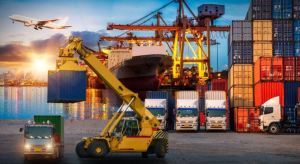

A logistics broker connects businesses that need to move freight with the carriers that can haul it, handling rate negotiation, carrier vetting, and shipment coordination without ever owning a truck. For shippers, that means access to a much larger pool of vetted capacity than they could realistically build and manage on their own. This guide breaks down exactly what a logistics broker does, how the process works, and how to tell a legitimate broker from a risky one.
What Is a Logistics Broker?
A logistics broker (often called a freight broker) is a licensed intermediary that arranges freight transportation between shippers and motor carriers without physically transporting the goods itself. Instead of owning trucks, brokers make money by matching a shipment with the right carrier at the right rate.
This role exists because of a simple math problem: there are more than one million for-hire motor carriers registered with the U.S. Department of Transportation. Finding the right one for a specific load, on a specific lane, at a fair rate, is a full-time job in itself — one most shippers don’t have the time, data, or carrier relationships to do well on their own.
In short, a logistics broker:
- Sources and vets qualified carriers
- Negotiates freight rates on the shipper’s behalf
- Coordinates pickup and delivery scheduling
- Tracks shipments and manages exceptions
- Handles freight documentation and compliance paperwork
What Does a Logistics Broker Actually Do Day to Day?
Day to day, a logistics broker spends most of their time matching loads to trucks, negotiating rates, and solving problems before they become delays. The job blends sales, logistics coordination, and constant market monitoring.
Core daily responsibilities include:
- Load matching: Reviewing available shipments and matching them against a network of carriers with the right equipment, location, and availability.
- Rate negotiation: Comparing current spot and contract rates to get the shipper a fair price while keeping the carrier profitable enough to take the load.
- Carrier vetting: Checking a carrier’s operating authority, insurance, and safety record before tendering a load to them.
- Tracking and communication: Monitoring shipments in transit and updating the shipper on ETAs, delays, or exceptions.
- Documentation: Preparing and managing bills of lading, rate confirmations, and proof-of-delivery paperwork.
- Problem-solving: Rebooking a load when a truck falls through, handling claims for damaged freight, or finding an alternate route around a service disruption.
A broker who’s good at the job is constantly watching freight market conditions — rate trends, capacity tightness by region, and seasonal demand swings — so they can advise shippers on timing, not just book whatever truck is available that day.
How the Logistics Broker Process Works, Step by Step
The logistics broker process runs from the moment a shipper requests a quote to the moment the freight is delivered and the invoice is settled. Here’s what that typically looks like:
- Shipper submits shipment details. Origin, destination, weight, freight class, and delivery timeline.
- Broker sources carrier options. The broker checks its carrier network or freight marketplace for available trucks that match the load.
- Broker negotiates rate and confirms capacity. This may involve a quick quote or a live mini-bid among several carriers.
- Carrier is vetted and assigned. The broker confirms the carrier’s authority, insurance, and safety score before booking.
- Shipment is tendered and tracked. The broker monitors the load from pickup through delivery and flags any exceptions.
- Delivery and settlement. Once delivered, the broker collects proof of delivery, invoices the shipper, and pays the carrier — typically keeping the difference between what the shipper pays and what the carrier is paid as the broker’s margin.
Logistics Broker vs. Freight Forwarder vs. 3PL: What’s the Difference?
A logistics broker arranges domestic truck transportation without taking legal title to the goods, a freight forwarder often acts as the shipper of record and manages international shipments end to end, and a 3PL typically layers warehousing and fulfillment on top of transportation. The roles overlap in practice, but the legal and operational distinctions matter.
| Role | Owns freight/title? | Typical scope | Best fit |
|---|---|---|---|
| Logistics/freight broker | No | Domestic trucking, carrier sourcing and negotiation | Shippers needing carrier capacity without owning a fleet |
| Freight forwarder | Often acts as shipper of record | International freight, customs, multimodal moves | Cross-border shipments needing customs and documentation expertise |
| 3PL provider | No, but manages goods in storage | Warehousing, fulfillment, plus transportation | Businesses that want logistics fully outsourced, including storage |
A shipbroker is a related but distinct role: shipbrokers negotiate maritime vessel charters between shipowners and charterers, concentrated in hubs like Singapore and London, and generally have nothing to do with domestic trucking.
Licensing and Regulation: What Makes a Broker Legitimate
A legitimate logistics broker must hold active operating authority from the Federal Motor Carrier Safety Administration (FMCSA) and carry a $75,000 surety bond or trust fund. This isn’t optional — it’s the baseline requirement that separates a real broker from someone quoting rates with no legal standing to arrange freight.
What to check before working with a broker:
- FMCSA operating authority (MC number): Confirms the broker is registered and legally allowed to arrange freight.
- $75,000 surety bond (BMC-84) or trust fund (BMC-85): Protects shippers and carriers if the broker fails to pay.
- Active insurance: While brokers don’t need cargo insurance the way carriers do, reputable brokers often carry contingent cargo coverage.
- Standing with the FMCSA: A quick search on the FMCSA’s SAFER system shows a broker’s authority status and any red flags.
This matters more in 2026 than in past years. Cargo theft and freight fraud have escalated, with reported losses topping $131 million across the U.S. and Canada in the first quarter of the year alone, much of it tied to fraud schemes using spoofed carrier identities and stolen MC numbers. Verifying a broker’s (and a carrier’s) credentials before tendering freight is no longer optional due diligence — it’s a basic risk control.
Benefits of Using a Logistics Broker in 2026
Working with a logistics broker gives shippers access to a wider carrier network, faster capacity during tight markets, and rate visibility that’s hard to replicate in-house. The value shows up most clearly when freight volume is unpredictable or market conditions are volatile.
Key benefits:
- Broader carrier access. Brokers maintain relationships across hundreds or thousands of carriers, far more than most shippers could vet and manage alone.
- Market rate visibility. Brokers track live rate benchmarks and can time bookings to avoid overpaying during rate spikes.
- Reduced administrative load. Documentation, tracking, and carrier communication get handled by the broker instead of an internal team.
- Faster problem resolution. When a truck falls through or a shipment is delayed, a broker with backup carrier relationships can often rebook faster than a shipper working alone.
- Flexibility during demand swings. Brokers can scale capacity up or down as shipping volume changes, without a shipper needing to build permanent carrier relationships for occasional surges.
When Should You Use a Logistics Broker?
A logistics broker makes the most sense for shippers with growing or unpredictable freight volume who don’t have the internal resources to manage carrier relationships directly. It makes less sense for businesses with steady, high-volume freight on the same lanes, where a direct carrier contract may be cheaper long term.
Consider a broker if:
- Your shipping volume is inconsistent month to month
- You ship on lanes or in regions where you don’t have existing carrier relationships
- You don’t have a dedicated logistics team to vet carriers and negotiate rates
- You need backup capacity during peak seasons or market disruptions
Consider going direct-to-carrier if:
- You ship large, consistent volume on the same lanes repeatedly
- You have the internal staff and data to manage carrier relationships yourself
- Your freight needs highly specialized equipment best sourced through a dedicated carrier partnership
How to Vet a Logistics Broker Before You Hire One
Vetting a logistics broker means confirming their licensing, checking references, and understanding exactly how they price and communicate before you commit freight to them. A few minutes of due diligence up front can save weeks of frustration later.
A short vetting checklist:
- Confirm active FMCSA operating authority and surety bond status.
- Ask for references from current shipper clients in your industry.
- Ask how they price loads — flat markup, percentage margin, or live mini-bids.
- Ask what technology they use for tracking and visibility (TMS, API/EDI integrations).
- Clarify how claims for damaged or lost freight are handled and who’s responsible.
How Logistics Brokers Get Paid
Logistics brokers typically make money on the spread between what the shipper pays and what the carrier is paid to haul the load, rather than charging a separate flat fee. Some brokers disclose this margin; many don’t unless asked directly.
Shippers who want more pricing transparency can ask brokers upfront whether they operate on a disclosed margin model or a straight markup, since this affects how easy it is to benchmark a quote against the broader market.
Frequently Asked Questions
What is the difference between a logistics broker and a freight broker?
In most everyday use, the terms are interchangeable — both describe a licensed intermediary that arranges truck transportation between shippers and carriers without owning trucks.
Do logistics brokers need a license?
Yes. In the U.S., logistics and freight brokers must hold active operating authority from the FMCSA and carry a $75,000 surety bond or trust fund.
How do logistics brokers make money?
Most logistics brokers earn money on the difference between what they charge the shipper and what they pay the carrier to move the load, rather than through a separate broker fee.
Is it cheaper to use a freight broker or book a carrier directly?
It depends on volume and consistency. Brokers often deliver better value for irregular or growing shipping needs, while high-volume shippers on stable lanes may get better rates through direct carrier contracts.
What’s the difference between a logistics broker and a 3PL?
A logistics broker typically focuses on arranging transportation, while a 3PL provider usually manages a broader scope that includes warehousing and fulfillment in addition to shipping.
How long does it take to become a licensed freight broker?
Most new brokers spend one to three months on training, plus four to six weeks handling FMCSA registration, bonding, and business setup before they can legally operate.
How can I tell if a freight broker is legitimate?
Check their FMCSA operating authority status and surety bond directly on the FMCSA’s SAFER system, and ask for shipper references before committing freight to them.
Key Takeaways
- A logistics broker connects shippers with carriers, negotiates rates, and manages shipment logistics without owning trucks.
- Legitimate brokers must hold FMCSA operating authority and a $75,000 surety bond — always verify this before booking.
- Brokers add the most value for shippers with unpredictable volume or limited carrier relationships; steady high-volume shippers may do better with direct carrier contracts.
- Rising freight fraud in 2026 makes carrier and broker verification a critical step, not an optional one.
- Understanding how a broker prices loads — flat markup vs. disclosed margin — helps shippers benchmark quotes more effectively.