Introduction
When freight delays or inventory mismatches occur in a supply chain, the impact extends beyond logistics. It disrupts revenue flow and customer trust.
For many businesses, transportation costs continue to rise while customer expectations for delivery speed and visibility become more demanding. Supply Chain Managers, Procurement Leaders, and Operations Directors are under constant pressure to reduce freight costs without sacrificing service quality. This is where understanding how freight brokers help businesses save money becomes critical.
According to industry insights from Gartner Supply Chain and FreightWaves, transportation optimization and carrier network management remain among the highest priorities for logistics leaders. Yet many organizations still struggle with fragmented carrier relationships, inconsistent freight visibility, and inefficient shipping processes.
ENorth Logistics supports more than 500 monthly shipments through an integrated transportation, warehousing, and fulfillment network. Backed by a 98.7% on-time delivery rate, 24/7 live tracking support, and 99.999% operational reliability, ENorth helps businesses streamline freight management while maintaining shipment visibility across Canada and the United States.
The challenge is no longer simply moving freight. The challenge is finding cost-efficient transportation solutions while maintaining operational reliability, inventory accuracy, and customer satisfaction. Businesses using LTL freight services can often improve transportation efficiency while controlling costs.
Why Modern Supply Chains Are Struggling With Freight Visibility and Fulfillment Delays
Modern supply chains operate across multiple warehouses, fulfillment centers, transportation providers, and customer locations. As networks expand, transportation management becomes increasingly complex.
A Supply Chain Manager overseeing multiple facilities often faces inventory synchronization challenges when Warehouse Management Systems and transportation platforms are disconnected. Without real-time visibility, shipment planning becomes reactive rather than proactive.
An ecommerce operator working with multiple carriers may encounter inconsistent shipment updates, delayed status notifications, and fragmented tracking information. These communication gaps can negatively impact customer experience and increase support costs.
Cross-border shipping between Canada and the United States introduces additional complexity. Customs documentation, compliance requirements, and carrier coordination create opportunities for delays and administrative bottlenecks.
Many organizations attempt to manage these challenges internally, relying on multiple carrier contracts and manual communication processes. However, without centralized logistics management, transportation inefficiencies often increase freight costs while reducing service performance.
Freight brokerage services help bridge these gaps by connecting businesses with optimized carrier networks, centralized shipment visibility, and coordinated transportation planning. Businesses can also learn more through this LTL freight carriers and brokerage guide.
Why Carrier Negotiation Creates Immediate Transportation Savings
One of the most significant ways freight brokers reduce costs is through carrier negotiation and network leverage.
Individual businesses typically negotiate freight rates based on their own shipping volume. Freight brokers, however, aggregate freight across multiple customers, creating larger transportation volumes that provide stronger negotiating power with carriers.
This enables access to competitive pricing across networks that include Purolator, DHL Freight, FedEx Freight, XPO Logistics, and TForce Freight. Instead of relying on a limited number of carrier relationships, businesses gain access to broader transportation capacity and more flexible pricing options. Businesses can further compare carrier rates in Canada to identify cost-saving opportunities.
| Transportation Factor | Individual Shipper | Freight Broker Network |
|---|---|---|
| Carrier Access | Limited | Extensive |
| Rate Negotiation Power | Moderate | High |
| Capacity Availability | Variable | Broader Coverage |
| Market Visibility | Limited | Comprehensive |
| Spot Market Flexibility | Restricted | Enhanced |
ENorth Logistics combines carrier network expertise with a unified logistics platform that supports freight optimization across Canada and the USA. With more than 500 shipments managed monthly and real-time tracking visibility, businesses gain access to transportation solutions that balance cost control and operational reliability.
For Procurement Managers and Transportation Directors, stronger carrier negotiation often translates into measurable transportation savings and improved service consistency.
Migrate to an integrated logistics system with ENorth Logistics’ freight, warehousing, and fulfillment platform. Explore solutions here.
Why Freight Brokers Improve Logistics Management Beyond Transportation
Many businesses view freight brokers primarily as rate negotiators. In reality, effective freight brokerage services extend far beyond transportation pricing.
A common logistics challenge occurs when warehouse operations, fulfillment teams, and transportation providers operate independently. Poor communication can lead to missed pickup appointments, inventory discrepancies, and delayed deliveries.
Freight brokers coordinate these moving parts through centralized logistics management processes. Transportation planning, shipment scheduling, documentation management, and carrier communication become aligned within a single operational workflow.
ENorth Logistics supports this process through integrated freight, warehousing, and fulfillment services. Real-time WMS inventory scanning, SKU-level tracking, and transportation visibility create stronger operational coordination across the supply chain.
| Logistics Function | Traditional Management | Integrated Brokerage Support |
|---|---|---|
| Carrier Coordination | Manual | Centralized |
| Shipment Tracking | Multiple Systems | Unified Visibility |
| Documentation | Separate Processes | Streamlined Workflow |
| Inventory Synchronization | Limited | Real-Time Updates |
| Exception Management | Reactive | Proactive |
This operational visibility reduces administrative burden for logistics teams while helping prevent costly transportation disruptions.
Warehouse managers benefit from improved scheduling accuracy. Ecommerce operators gain better shipment visibility. Transportation managers receive faster exception resolution and more consistent carrier communication.
Migrate to an integrated logistics system with ENorth Logistics’ freight, warehousing, and fulfillment platform. Explore solutions here.
Why Freight Consolidation and Mode Optimization Reduce Shipping Costs
Transportation savings often come from selecting the right shipping mode and maximizing equipment utilization.
Many businesses ship partial loads without evaluating whether freight consolidation opportunities exist. As a result, trailer capacity remains underutilized and shipping costs increase.
Freight brokers analyze shipment volumes, lane density, transit requirements, and equipment availability to identify optimization opportunities. This may include freight consolidation, LTL optimization, FTL conversion opportunities, cross-dock operations, or strategic warehousing support. Businesses can also learn what affects freight rates in Canada to better understand transportation costs.
For businesses shipping into Amazon FBA facilities, freight coordination becomes even more important. Strict appointment requirements, compliance standards, and inventory accuracy expectations require careful transportation planning.
ENorth Logistics supports Amazon FBA compliance workflows alongside freight transportation and warehousing services. Same-day shipping cutoff support before 2 PM helps improve fulfillment responsiveness while maintaining inventory visibility.
Carrier network orchestration becomes particularly valuable when managing temperature-sensitive shipments, oversized freight, or cross-border transportation requirements.
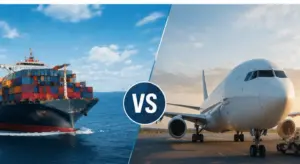
With access to refrigerated transportation, flatbed freight services, LTL and FTL solutions, businesses can select transportation modes based on operational requirements rather than limited carrier availability.
Migrate to an integrated logistics system with ENorth Logistics’ freight, warehousing, and fulfillment platform. Explore solutions here.
Why Freight Brokers Improve Cross-Border Efficiency and Risk Management
Cross-border freight movements between Canada and the United States introduce unique operational risks.
Documentation errors, customs delays, compliance issues, and carrier coordination failures can create unexpected transportation costs and customer service challenges.
Freight brokers help manage these risks by coordinating transportation providers, monitoring shipment progress, and ensuring documentation requirements are addressed before freight reaches border crossings.
ENorth Logistics operates through a unified Canada-USA logistics platform that supports shipment visibility, transportation planning, and compliance-focused freight execution.
The company’s 24/7 live tracking support and 99.999% operational reliability provide businesses with greater confidence when managing international transportation requirements.
Cross-border visibility becomes particularly important for manufacturers, retailers, and ecommerce companies operating across North American distribution networks. Delayed shipments can create inventory shortages, production interruptions, and lost sales opportunities.
By centralizing freight management and transportation coordination, businesses reduce operational complexity while improving shipment traceability and compliance accuracy.
Migrate to an integrated logistics system with ENorth Logistics’ freight, warehousing, and fulfillment platform. Explore solutions here.
ENorth Logistics Editorial Expertise
ENorth Logistics’ editorial insights are developed by professionals with hands-on experience in freight transportation, warehouse operations, and supply chain optimization across Canada and the United States. Our perspective is grounded in real logistics execution environments, not theoretical supply chain models.
Conclusion
Global supply chains are under increasing pressure from rising freight costs, delivery expectations, and inventory complexity. Businesses that continue to rely on fragmented transportation processes often face higher shipping expenses, reduced visibility, and operational inefficiencies.
Freight brokers provide much more than transportation procurement. They create access to broader carrier networks, improved shipment visibility, optimized transportation planning, and centralized logistics management. Businesses evaluating larger shipments can also review this FTL freight brokerage Canada guide.
As logistics technology continues to evolve, future transportation networks will rely increasingly on AI-powered forecasting, predictive routing, warehouse automation, carrier performance analytics, and real-time freight orchestration.
At ENorth Logistics, we help businesses simplify freight transportation, warehousing, ecommerce fulfillment, Amazon FBA logistics, and cross-border shipping operations across Canada and the USA. Through integrated logistics management, real-time visibility, and carrier network expertise, organizations can improve efficiency while maintaining service quality.
ENorth Logistics helps businesses simplify freight, fulfillment, and warehousing operations across Canada and the USA. Get a logistics quote today.